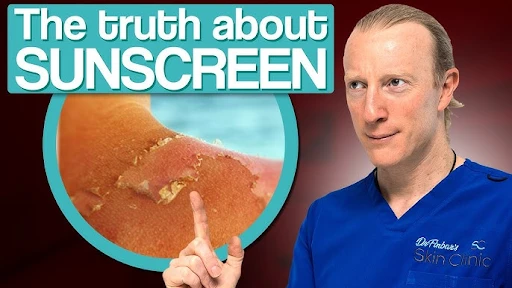
Sunscreen is a key tool in reducing the risk of skin cancer, especially when used consistently and correctly. Broad-spectrum sunscreens protect against both UVA and UVB rays, which can damage DNA and lead to skin cancers like melanoma. While sunscreen alone isn’t a complete safeguard, combining it with protective clothing, hats, and shade significantly lowers your overall risk.
According to the U.S. Food and Drug Administration, broad-spectrum sunscreen can help decrease the risk of skin cancer and early skin aging when used as directed with other sun-protection measures.
Powder formulas can contribute to sunscreen protection against UV rays, but their main limitation is coverage. A light dusting may not distribute enough sunscreen evenly across every exposed area, which is why powder should not automatically be treated as a replacement for a properly applied lotion, cream, gel, stick, or other primary sunscreen.
What is Powder Sunscreen?
Powder sunscreen is a type of sun protection product in a finely milled, loose, or pressed powder form. Unlike traditional creams, lotions, or sprays, it provides a lightweight, matte finish that’s easy to apply and reapply throughout the day, making it especially convenient for touch-ups over makeup.
Most powder sunscreens use mineral UV filters such as zinc oxide or titanium dioxide, which help protect skin from ultraviolet radiation. They are often marketed as non-greasy, quick-drying, and suitable for sensitive or oily skin. While convenient, proper application is key to ensuring adequate sun protection.
How Effective Is Powder Sunscreen for UV Protection?
Powder sunscreen can be effective as part of a broader sun-protection routine, particularly when it makes reapplication easier. However, its real-world effectiveness depends on applying enough product and distributing it evenly across exposed skin.
One of the biggest challenges is that a cosmetic-looking layer may not necessarily provide the amount of product used when the SPF was tested. Because powder can also wear away during the day, relying on a very light application may leave some areas less protected than expected.
Powder sunscreen still has several practical advantages:
- It can be reapplied over makeup.
- It can help reduce facial shine.
- Some mineral formulas may suit people who prefer mineral-based sunscreens.
- It is convenient for daytime touch-ups.
- Certain formulations can make targeted application around the scalp or hairline easier.
The key distinction is that powder can make reapplication more practical, but convenience does not guarantee complete or even coverage.
Powder Sunscreen vs. Traditional Sunscreen: What Is the Difference?
Different sunscreen formats can serve different purposes. Powder is particularly convenient for touch-ups, while lotions and creams generally make it easier to see and feel where the product has been applied.
Factor: Powder Sunscreen Traditional Lotion or Cream Initial coverage Can be harder to judgeUsually easier to spread evenlyReapplicationConvenient, especially over makeupMay be less convenient over cosmeticsOily skinOften provides a matte finishDepends on the formulationScalp or hairlineCan be convenient for targeted areasMay feel greasy in hairSwimming or heavy sweatingMay be less practical as the primary optionWater-resistant products are widely availableApplying enough productAmount can be difficult to judgeUsually easier to distribute visiblyTypical roleSupplemental touch-upsPrimary sunscreen coverage
Neither format has to be used exclusively. For many people, a traditional sunscreen applied thoroughly in the morning followed by powder touch-ups during the day offers a practical combination.
When Is Powder Sunscreen Most Useful?
Powder sunscreen is most useful when convenience makes reapplication more likely.
Over Makeup
Applying another layer of cream or lotion over makeup can be inconvenient. Powder allows sunscreen to be refreshed with less disruption to cosmetics, making it a useful option during the workday or while traveling.
For Oily Skin
People with oily skin may also appreciate the matte finish of powder sunscreen. It can help control shine while providing an additional layer of sun protection.
For Everyday Touch-Ups
The best sunscreen for reapplication is ultimately one that you can apply correctly and consistently. For someone moving between work, errands, and brief periods outdoors, powder may be easier to keep nearby and use during the day.
For the Scalp and Hairline
The scalp is often overlooked, particularly around the part line, hairline, or areas of thinning hair. Powder formulations may be convenient for these targeted areas because they are less likely to leave hair feeling greasy.
For extended outdoor exposure, a wide-brimmed hat can provide additional protection.
Practical Example
Consider someone who applies broad-spectrum sunscreen before work and then puts on makeup. Several hours later, they need to spend some time outdoors. Removing their makeup to reapply lotion may not be practical, so powder sunscreen can provide a convenient touch-up.
The same approach may not be ideal for a long beach day, outdoor exercise, or swimming. In those situations, thorough coverage and an appropriately labeled water-resistant sunscreen become more important.
How Should You Apply Powder Sunscreen Correctly?
How you apply powder sunscreen matters as much as the type of product you choose. Follow the directions on the specific sunscreen because brushes, pressed powders, and loose powders may require different application methods.
For everyday use:
- Apply your primary broad-spectrum sunscreen to exposed skin according to the product directions.
- Allow it to settle before completing your usual skincare or makeup routine.
- Use powder sunscreen later for touch-ups, applying it carefully and evenly rather than giving the skin only a quick dusting.
- Pay attention to easily missed areas such as the ears, hairline, neck, and exposed scalp.
- When outdoors, reapply sunscreen approximately every two hours and after swimming or sweating, following the individual product label.
If you have sensitive skin, conditions like eczema, rosacea, or contact dermatitis, some ingredients, such as fragrances or preservatives, might irritate. Always check the ingredient list and choose a formula that works for your skin type.
Loose powders should also be applied carefully around the nose and mouth to minimize inhaling airborne particles.
Suggested replacement image: Use an original or properly licensed image showing powder sunscreen being applied with a brush over previously applied facial sunscreen.
Alt text: Applying powder sunscreen for midday sun-protection reapplication.
What Should You Look for When Choosing Sunscreen?
Sunscreen comes in several forms, including lotion, powder, stick, or spray. The best choice depends on your personal preference and skin type.
The American Academy of Dermatology recommends choosing sunscreen that offers broad-spectrum protection, has SPF 30 or higher, and is water-resistant.
Comfort matters too. Creams may work well for dry skin, while gels and lightweight formulas may feel better on oily or acne-prone skin. Sticks can be convenient for smaller areas, and sprays may help with areas that are difficult to reach, provided enough product is applied.
Rather than choosing sunscreen based only on its format, focus on whether you can apply enough of it consistently and whether it suits the activity you have planned.
Mineral and Chemical Sunscreens

Mineral sunscreens commonly contain zinc oxide, titanium dioxide, or both. Chemical sunscreens use other UV-filtering ingredients. Both types are designed to reduce the amount of harmful ultraviolet radiation reaching the skin.
Neither is inherently better; they just work differently. The right option depends on your skin’s needs and what feels most comfortable.
Mineral formulas are often selected by people who prefer zinc oxide or titanium dioxide, while many chemical formulations are lightweight and easy to spread.
One downside is that some mineral sunscreens may leave a white cast, particularly on darker skin tones.
Whichever type you choose, broad-spectrum coverage, an appropriate SPF, sufficient application, and regular reapplication are more important than simply choosing between the words “mineral” and “chemical” on the label.
What Does SPF Mean?
SPF stands for Sun Protection Factor and describes the level of sunburn protection provided by a sunscreen under standardized testing conditions.
It does not mean that SPF 30 allows someone to remain safely in the sun 30 times longer than they could without sunscreen. The FDA explains that SPF relates to the amount of solar exposure needed to produce sunburn on protected skin compared with unprotected skin, rather than functioning as a simple timer.
Actual UV exposure varies according to factors such as time of day, location, weather, reflection from surfaces, and how much sunscreen is applied.
What Else Helps Reduce UV Exposure?
Beyond sunscreen, combine multiple sun protection strategies. Wear wide-brimmed hats, UV-blocking sunglasses, and long-sleeved clothing when outdoors.
Seek shade when possible, particularly when the sun is strong, and avoid indoor tanning.
Pay attention to reflective surfaces like water, sand, or concrete that intensify UV exposure.
Frequently missed areas can include the ears, neck, scalp, hands, and tops of the feet. These areas also need protection when they are exposed.
No sunscreen blocks every UV ray, which is why combining sunscreen with clothing, shade, hats, and other protective habits provides a more complete approach.
When Should You Have a Skin Change Evaluated?
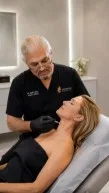
Sun protection helps reduce future UV exposure, but sunscreen cannot tell you whether an existing mole, lesion, or changing spot is cancerous.
Regularly check your skin for new or changing growths, spots that look different from others, or areas that repeatedly itch, bleed, crust, or fail to heal. A dermatologist can determine whether further skin cancer testing is appropriate.
Evaluation may include a physical skin examination and, when necessary, a biopsy. A confirmed skin cancer diagnosis helps determine which management options may be suitable.
Skin cancer treatment varies according to factors such as the type of cancer, its size, depth, location, and the individual's overall situation. The important point is that sunscreen is a preventive tool; it is not a substitute for professional assessment of a suspicious skin change.
Final Takeaway
Protecting your skin from the sun is one of the most important steps you can take to reduce the risk of skin cancer. While sunscreen—whether cream, spray, or powder—is essential, it’s just one part of a complete sun-safety routine.
Powder sunscreen is particularly useful as a convenient reapplication option, especially over makeup or around targeted areas such as the hairline. Its main limitation is that it can be difficult to judge whether enough product has been applied evenly.
For everyday protection, choose a broad-spectrum sunscreen with SPF 30 or higher, use it according to the label, and combine it with shade, protective clothing, hats, and sunglasses.
Regularly check your skin for unusual moles, spots, or changes.
If you notice a suspicious or changing area, consider evaluation by a dermatologist or qualified skin cancer center rather than relying on sunscreen to address an existing lesion. Professional assessment can determine whether additional testing, diagnosis, or treatment is appropriate.
Frequently Asked Questions
1. Can Powder Sunscreen Be Used as the Only Daily Sunscreen?
Powder may provide some protection when applied correctly, but achieving complete and even coverage can be difficult. Using it over a well-applied primary sunscreen is generally a more practical approach.
2. Can Powder Sunscreen Be Applied Over Makeup?
Yes. This is one of its most useful features. Powder sunscreen can make midday reapplication easier without requiring someone to remove and redo their makeup.
3. Is Powder Sunscreen Useful for the Scalp?
It can be convenient around the hairline, part line, and areas of thinning hair. During prolonged outdoor exposure, combine scalp sunscreen with a hat when practical.
4. Should Powder Sunscreen Be Used for Swimming?
For swimming or heavy sweating, prioritize a sunscreen labeled water resistant and follow its directions carefully. Powder may still be useful afterward for appropriate touch-ups, depending on the product.
5. Can Sunscreen Completely Prevent Skin Cancer?
People often ask, can sunscreen prevent skin cancer completely? No. Sunscreen can help lower UV exposure and reduce risk when used properly, but it should be combined with shade, protective clothing, hats, and other sun-safety measures.
6. Is It Safe to Breathe in Powder Sunscreen?
Avoid deliberately inhaling loose sunscreen powder. Apply powder carefully around the nose and mouth and follow the manufacturer's directions for safe use.