Missing one tooth can affect your smile, but losing several teeth can have an even greater impact on your ability to eat, speak, and feel confident. Fortunately, modern dentistry offers advanced solutions that are both durable and natural-looking. One of the most effective options is dental implants, which can replace not just one tooth, but multiple missing teeth as well.
If you've lost several teeth due to decay, gum disease, injury, or aging, you may be wondering whether dental implants are the right choice for you. The answer, in many cases, is yes. Today's implant technology allows dentists to restore multiple missing teeth without replacing every tooth individually.
Here's everything you need to know about replacing multiple missing teeth with dental implants.
Can Dental Implants Support Multiple Teeth?
Absolutely. Dental implants are highly versatile and can be used to replace:
- Two or more missing teeth in a row
- Several missing teeth in different areas of the mouth
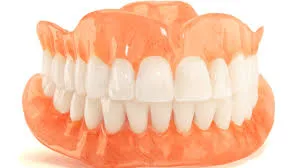
- An entire upper or lower arch of teeth
- A full mouth of missing teeth
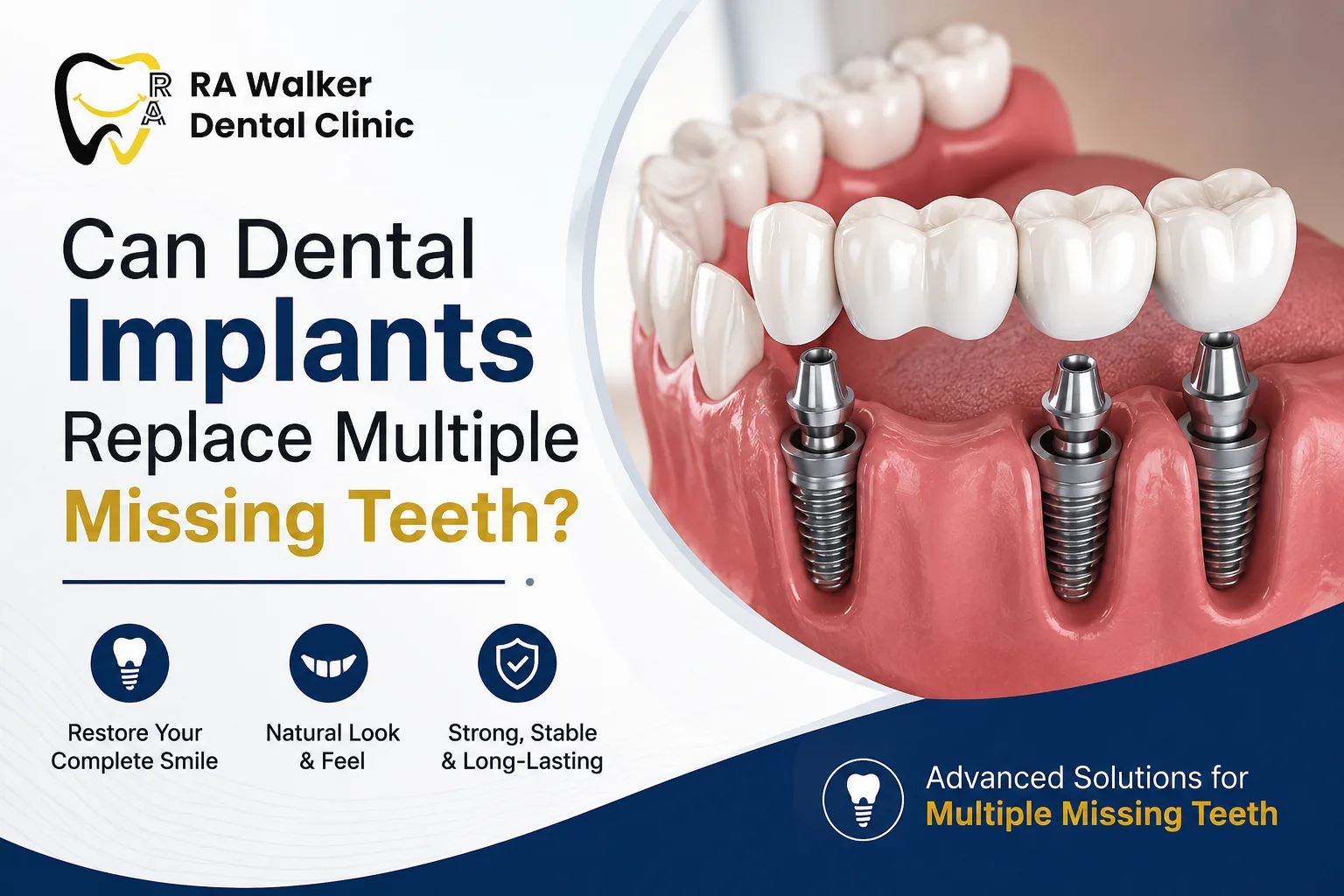
Instead of placing one implant for every missing tooth, your dentist can strategically position a few implants to support bridges or full-arch prosthetic teeth. This approach provides excellent stability while reducing the number of implants required.
If you're ready to replace multiple missing teeth and regain your confidence, schedule a consultation with RA Walkers Dental Clinic today. Our compassionate team will help you explore your options and create a personalized treatment plan that restores your smile, comfort, and quality of life.
Treatment Options for Multiple Missing Teeth
Every smile is unique, so your dentist will recommend a treatment plan based on the number and location of your missing teeth, your jawbone health, and your oral health goals.
Implant-Supported Bridge
If you're missing several teeth next to each other, an implant-supported bridge may be recommended.
Rather than relying on natural teeth for support, the bridge is anchored to dental implants placed in the jawbone. This helps preserve neighboring healthy teeth while providing a secure and long-lasting restoration.
Multiple Individual Implants
If your missing teeth are located in different parts of your mouth, your dentist may recommend placing separate implants for each missing tooth.
This option closely mimics natural teeth and allows each implant to function independently.
Full-Arch Dental Implants
Patients who have lost all or most of their upper or lower teeth may benefit from full-arch implant treatment.
Using only a few carefully positioned implants, your dentist can securely support a complete arch of replacement teeth. This option offers greater stability and comfort than traditional removable dentures while restoring both appearance and function.
Benefits of Replacing Multiple Teeth with Dental Implants
Dental implants offer several advantages over traditional tooth replacement methods.
Improved Chewing Ability
Missing multiple teeth often makes it difficult to enjoy many foods. Dental implants restore strong biting force, allowing you to eat a wider variety of foods comfortably.
Natural Appearance
Implant-supported restorations are custom-designed to blend seamlessly with your natural smile. They closely match the colour, shape, and size of your surrounding teeth.
Better Speech
Large gaps or loose dentures can affect pronunciation. Because implants remain securely in place, they help improve speech clarity and confidence.
Long-Term Durability
With proper oral hygiene and regular dental care, dental implants can provide a reliable tooth replacement solution for many years.
Jawbone Preservation
One of the greatest advantages of implants is that they stimulate the jawbone much like natural tooth roots. This helps reduce bone loss that commonly occurs after teeth are lost and supports your facial structure over time.
Who Is a Good Candidate?
Many adults with multiple missing teeth are excellent candidates for dental implants.
You may qualify if you:
- Have one or more missing teeth
- Have healthy gums
- Have sufficient jawbone to support implants
- Maintain good oral hygiene
- Are committed to regular dental visits
Even if you've experienced bone loss, you may still be eligible after additional procedures such as bone grafting. A comprehensive examination and digital imaging will help determine the most suitable treatment option for your individual needs.
What Does the Dental Implant Process Involve?
Although every case is different, the implant process generally follows these steps:
Initial Consultation
Your dentist will perform a thorough oral examination, review your medical history, and take digital X-rays or 3D scans to evaluate your bone structure and create a personalized treatment plan.
Implant Placement
The dental implants are surgically placed into the jawbone, where they serve as artificial tooth roots.
Healing Period
Over the next few months, the implants gradually fuse with the surrounding bone through a natural process called osseointegration. This creates a strong, stable foundation for your replacement teeth.
Final Restoration
Once healing is complete, custom-made crowns, bridges, or full-arch restorations are securely attached to the implants, restoring your smile's appearance and function.
Caring for Your Dental Implants
Dental implants are designed to function like natural teeth, making them easy to care for.
To maintain your results:
- Brush twice daily using a soft-bristled toothbrush.
- Floss around your implants every day.
- Attend routine dental examinations and professional cleanings.
- Avoid smoking whenever possible.
- Wear a mouthguard if you grind your teeth.
- Follow your dentist's personalized oral hygiene recommendations.
Good maintenance helps keep both your implants and surrounding gums healthy.
Why Replacing Missing Teeth Early Matters
Some people delay replacing missing teeth because they can still chew or the gaps aren't immediately visible. However, waiting too long can lead to additional complications, including:
- Shifting of nearby teeth
- Progressive jawbone loss
- Bite problems
- Increased wear on remaining teeth
- Difficulty eating certain foods
- Changes in facial appearance
Seeking treatment sooner can help preserve your oral health and often makes the restoration process more straightforward.
Restore Your Complete Smile at RA Walkers Dental Clinic
Living with multiple missing teeth doesn't have to limit your confidence or quality of life. Modern dental implants provide a secure, natural-looking solution that can restore your smile, improve your ability to eat and speak comfortably, and support your long-term oral health.
At RA Walkers Dental Clinic, we offer personalized dental implant solutions tailored to each patient's unique needs. Using advanced diagnostic technology and a patient-centred approach, our experienced team will guide you through every stage of your treatment—from consultation and planning to implant placement and final restoration.