
Dealing with infertility can be tough at times. Many couples look forward to finding natural and effective solutions that help them start a new family. Acupuncture has emerged as a promising complementary therapy for those seeking to enhance fertility and improve reproductive outcomes. As more people look for holistic approaches to reproductive health, acupuncture stands out for its minimal side effects and focus on overall well-being.
Understanding how acupuncture works and its potential benefits can help individuals make informed decisions about their fertility care. For many, infertility treatment with acupuncture brings hope and support during this important time.
How Acupuncture May Influence Egg Quality
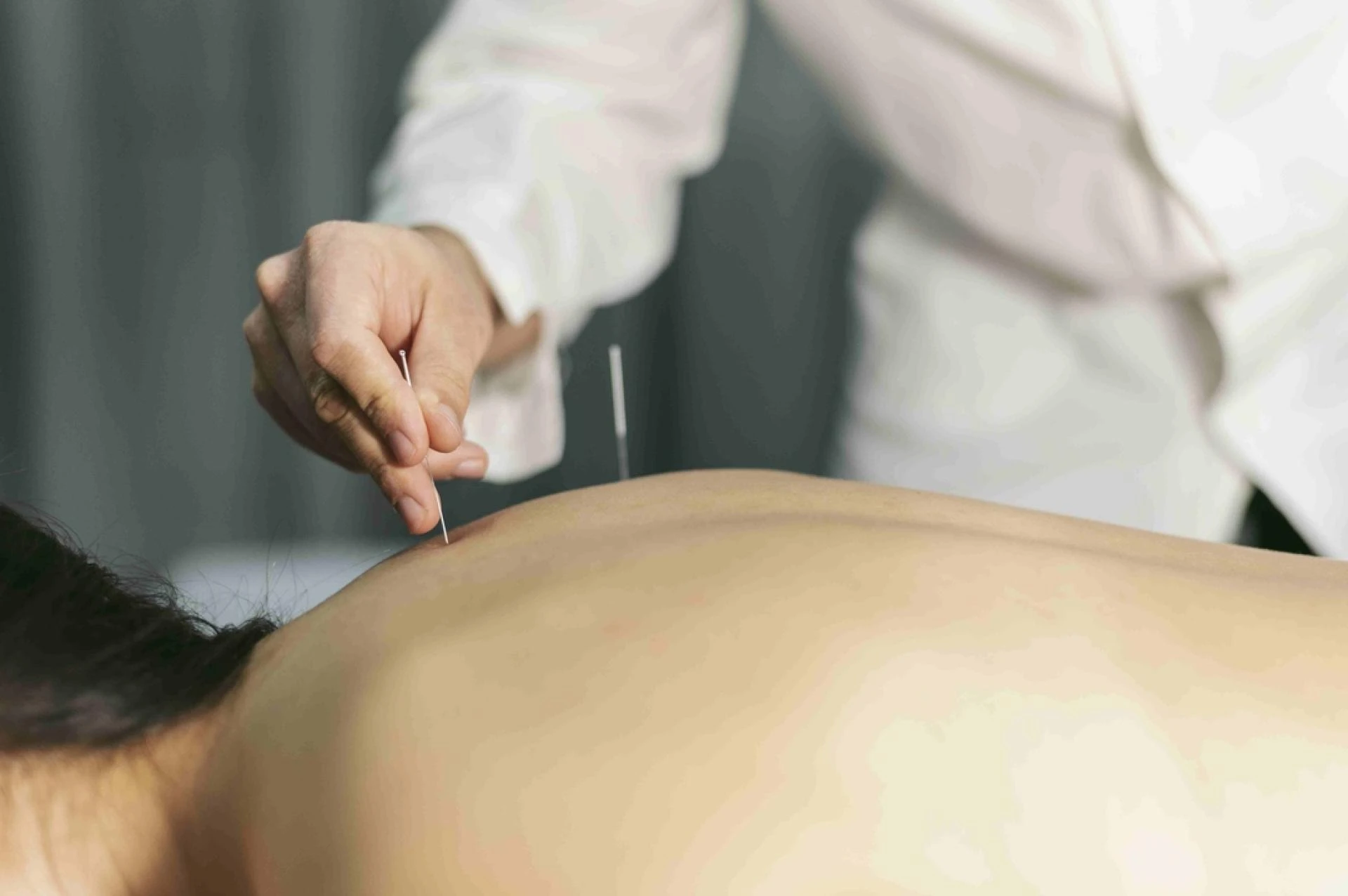
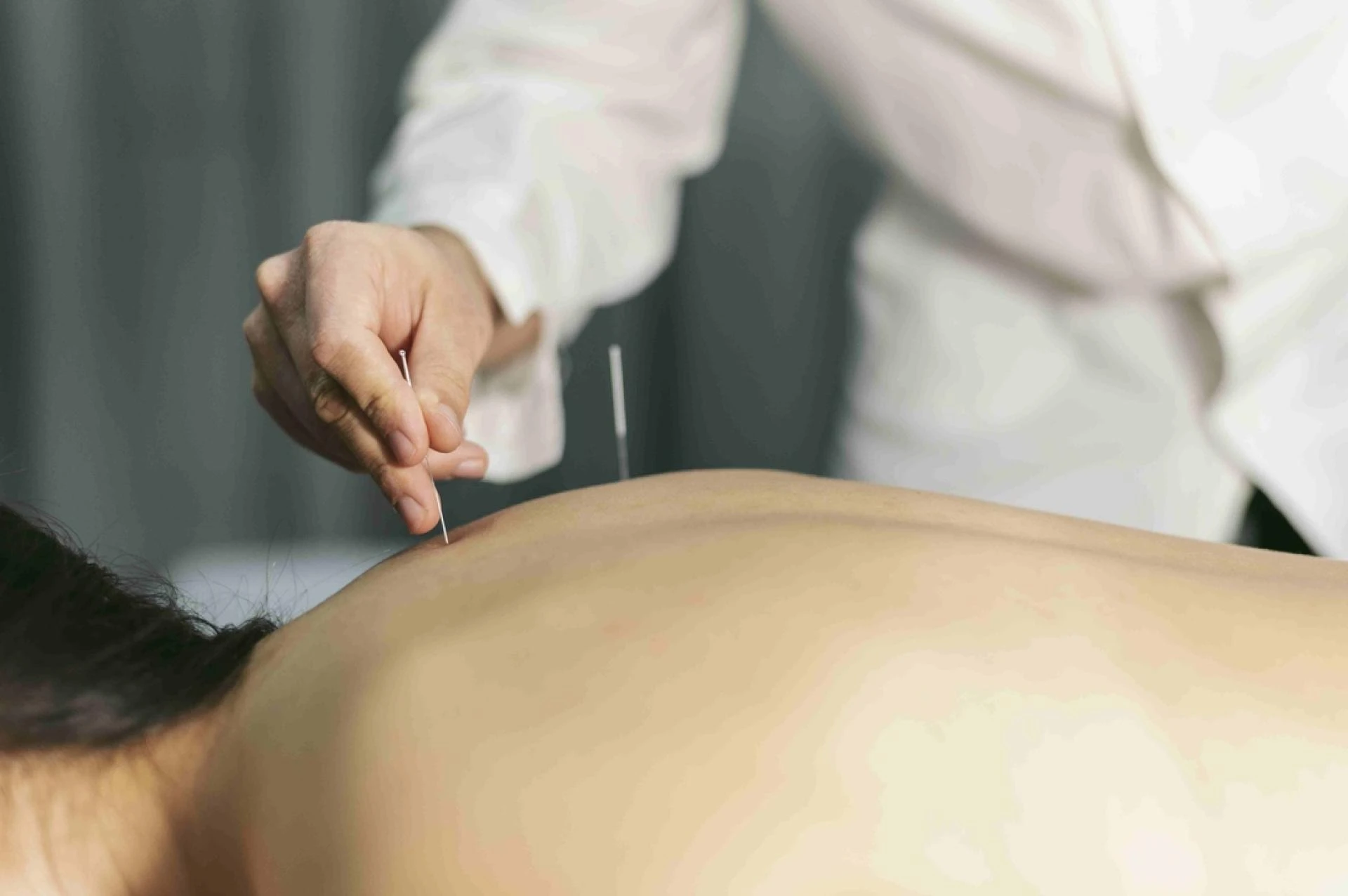
Acupuncture, a traditional Chinese medicine technique, involves the insertion of fine needles at specific points on the body. This practice regulates the body's energy flow, or Qi, and promotes overall health. In the context of infertility treatment, research indicates that acupuncture can positively impact the reproductive system by enhancing blood flow to the ovaries and uterus, balancing hormone levels, and reducing stress.
Improved ovarian blood flow is particularly important for egg quality. Ovarian follicles and eggs require a steady supply of nutrients and oxygen delivered through the blood. When blood flow is optimized, follicles are more likely to produce healthy, mature eggs, increasing the chances of successful fertilization and embryo development.
Scientific Evidence Supporting Acupuncture's Role
Several randomized controlled trials and meta-analyses have explored the effects of acupuncture on fertility outcomes. Some studies have found that women who received acupuncture in conjunction with IVF had a higher number of mature eggs retrieved compared to those who did not receive acupuncture. Additionally, acupuncture has been shown to regulate sex hormones, such as FSH and LH, which are essential for follicle development and ovulation.
Key findings from recent research include:
- Increased number of mature oocytes in women over 37 undergoing IVF with acupuncture.
- Improved embryo quality and implantation rates in acupuncture groups compared to controls.
- Enhanced regulation of reproductive hormones and improved ovarian reserve in women with diminished ovarian function.
However, it is important to note that while some studies demonstrate significant benefits, others show mixed results, highlighting the need for further high-quality research.
Mechanisms: How Acupuncture Works for Fertility
Acupuncture's potential benefits for egg quality stem from several physiological mechanisms:
- Enhanced Blood Flow: Acupuncture relaxes blood vessel walls, increasing blood supply to the ovaries and uterus. This ensures that developing eggs receive optimal nutrients and oxygen.
- Hormonal Regulation: By influencing the hypothalamic-pituitary-ovarian axis, acupuncture helps balance hormones critical for follicle maturation and ovulation.
- Stress Reduction: High stress can negatively impact fertility by disrupting hormone levels and causing uterine spasms. Acupuncture has been shown to lower cortisol levels and promote relaxation, creating a more favorable environment for conception.
- Improved Endometrial Receptivity: Acupuncture may also enhance the uterine lining, supporting embryo implantation and early pregnancy success.
Who Can Benefit from Acupuncture for Egg Quality?
Acupuncture may be especially helpful for:
- Women with poor ovarian response or diminished ovarian reserve.
- Those undergoing IVF or other assisted reproductive technologies.
- Individuals experiencing hormonal imbalances or irregular cycles.
- Couples seeking a holistic approach to fertility care.
It's also worth noting that infertility treatment with acupuncture can benefit men by improving sperm parameters and overall reproductive health, further supporting a couple's fertility journey.
What to Expect from Treatment
Acupuncture protocols for fertility typically involve regular sessions over several weeks or months, often starting before and continuing through IVF cycles. The frequency and duration of treatment may vary depending on individual needs and the underlying cause of infertility.
Common experiences during acupuncture include:
- Mild tingling or warmth at needle sites.
- Deep relaxation and reduced anxiety.
- Gradual improvements in menstrual regularity and overall well-being.
- Side effects, such as minor bruising or dizziness, are rare and generally mild.
Considerations and Limitations
While many women report positive experiences with acupuncture, it is not a guaranteed solution for everyone. The effectiveness of acupuncture can depend on factors such as age, underlying health conditions, and the skill of the practitioner. Some studies have noted that the number and timing of acupuncture sessions may influence outcomes, and more research is needed to establish standardized protocols.
It is always recommended to consult with a qualified fertility specialist and a licensed acupuncturist experienced in reproductive health before starting treatment.
Conclusion
Acupuncture shows promise as a supportive therapy for improving egg quality and enhancing fertility, especially when integrated with conventional treatments. While research is ongoing, many individuals find value in acupuncture's holistic approach and potential to optimize reproductive health.
For those considering this path, clinics like Hannah Integrative Health offer experienced practitioners and personalized care. Exploring all available options, including acupuncture for infertility, can help you make the best choices on your fertility journey, bringing hope and support along the way.