
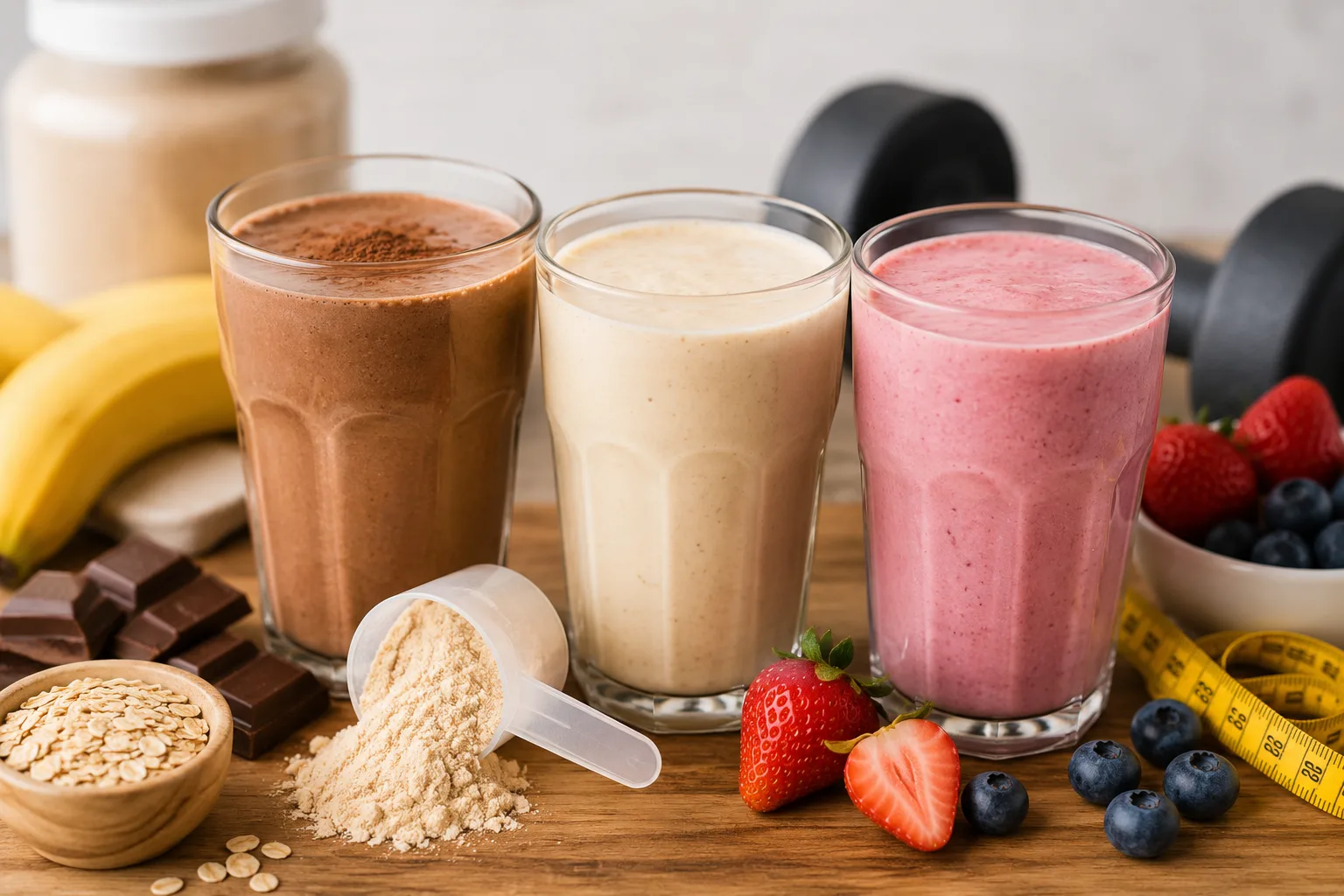
I was skeptical. I'd been down this road before - shakes that promised the world and delivered a chalky, artificially sweetened drink that left me hungry an hour later. So when a friend suggested I swap one meal a day for a shake instead of trying another crash diet, my expectations were low. A few months in, my answer to "do shakes actually work for weight loss" has changed. Not because I found a shortcut, but because I finally understood what I'd been getting wrong the whole time.
The Problem Was Never the Concept. It Was the Shake.
Looking back, everything I'd tried before was really just a thin protein drink dressed up as a meal. Low calorie, sure - but also low on everything else that actually matters: fat, fiber, real nutrition. It kept me under my calorie goal for about ninety minutes, and then hunger won. Every single time.
That turned into a cycle: drink the shake, feel good about it for an hour, get hungry way too soon, snack anyway, end up right back where I started. I didn't need more willpower. I needed a shake that functioned like an actual meal instead of a placeholder for one.
The One Thing That Actually Changed Everything
If I had to point to a single moment where this stopped feeling like "another diet thing" and started feeling like something I'd actually stick with, it was the first afternoon I didn't think about food for hours after drinking it.
That's the difference a real fat-and-protein combination makes. It's not about being "not hungry for a minute" - it's genuinely satisfying in a way a watery, low-calorie shake just isn't built to be. I stopped getting the mid-afternoon crash that used to send me straight to the vending machine, too. No sugar spike meant no sugar crash, which meant steadier energy through the day and a lot less white-knuckling through cravings.
The shake I landed on - HLTH Code - was the first one built with that in mind: real protein, real fat, real fiber, instead of flavored water with a calorie count attached.
The Small Detail I Didn't Expect to Care About
Taste almost made me give up on shakes altogether. Most "healthy" products lean on stevia, and that bitter aftertaste is enough to make you dread the thing you're supposed to be drinking every day. HLTH Code uses Reb M, a cleaner form of stevia, and it was honestly the first shake I looked forward to rather than choked down out of obligation.
It sounds like a small thing. It wasn't. A shake you don't want to drink is a shake you'll quit on in two weeks, no matter how good the nutrition label looks.
So - Does It Actually Work?
Here's my honest answer: it depends entirely on the shake.
A thin, low-calorie one will leave you hungrier and more likely to give up within days. A properly built one - with real protein, real fat, and real fiber - can genuinely hold you over and make a calorie deficit feel sustainable instead of miserable.
That's what I found with HLTH Code. It's not a magic fix, and I still eat real meals most of the day. But swapping one meal for this shake has been the first approach that didn't leave me starving, snacking an hour later, or dreading the taste. It became an easy habit instead of something I had to force - and looking back, that might be the biggest difference of all.
The Bottom Line
Can a meal replacement shake help you lose weight? For me, yes - but not because it's a shortcut. It worked because it stopped sabotaging me the way every shake before it had.
If you're going to try this route, skip anything that's mostly water and flavoring. Look for something built like an actual meal. That's the line between a shake that helps and one you'll quietly abandon in the back of your pantry.