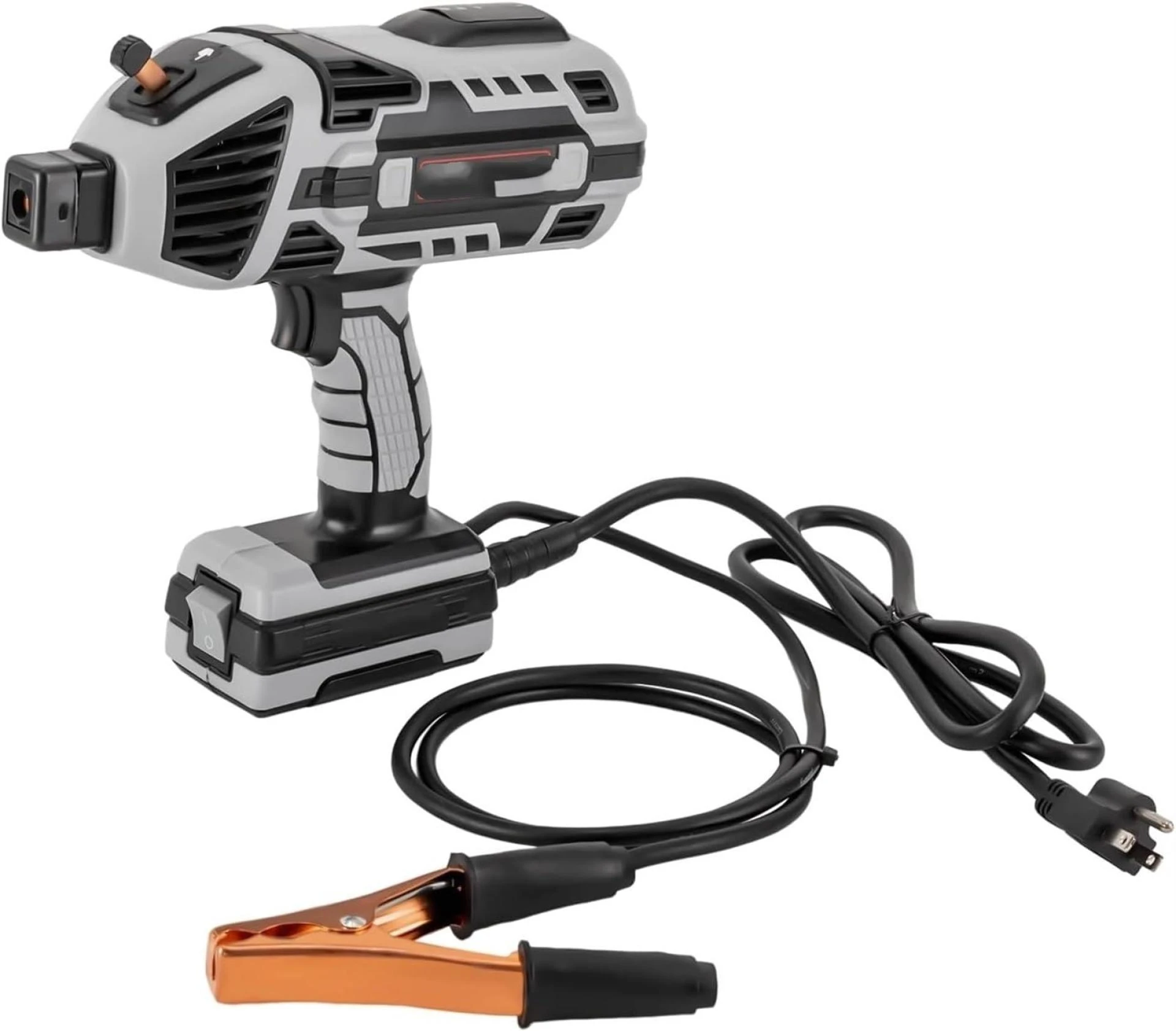
When it comes to cleaning surfaces affected by rust, paint, or contaminants, many wonder whether a laser cleaning machine can work as effortlessly as a magic wand. The idea of simply pointing a laser at an object and watching the unwanted material disappear is fascinating. But how exactly does this process work, and what makes it different from traditional cleaning methods?
The Science Behind a Laser Cleaning Machine
A laser cleaning machine uses high-energy laser pulses to remove unwanted substances from a surface. This method relies on laser ablation, a process where laser energy interacts with contaminants, converting them into gas or tiny particles. Unlike conventional cleaning techniques that use chemicals or abrasive materials, this approach eliminates the risk of damaging the base material.
The laser's energy is absorbed by rust, paint, or dirt, causing them to evaporate. Since metals and other solid surfaces reflect most of the laser energy, they remain unaffected. This precise targeting ensures that only the unwanted material is removed without harming the object itself.
Why It Seems Like Magic
The term "magic wand" often suggests instant and effortless results. While a laser cleaning machine does not work in an instant like in fairy tales, it does deliver a remarkably efficient cleaning process. Here’s why some people compare it to magic:
- No Contact with the Surface
- Unlike mechanical cleaning methods that involve scraping or grinding, a laser cleaning machine does not physically touch the object. This minimizes wear and tear, making it suitable for delicate or antique items.
- No Need for Chemicals or Solvents
- Traditional cleaning methods often involve harsh chemicals, which can be hazardous to both users and the environment. A laser cleaning machine eliminates the need for these substances, providing a cleaner and safer solution.
- Selective Cleaning Power
- The laser can be adjusted to remove only specific layers of material. Whether it's rust on metal, old paint on a historical monument, or grease on an industrial part, the machine allows precise control over the cleaning depth.
- Visible Results in Real-Time
- When using a laser cleaning machine, the transformation is immediate. The laser beam passes over the affected area, revealing a clean surface almost instantly. This effect is why some liken it to magic—seeing rust vanish within seconds can be quite impressive.
The Practical Side of Laser Cleaning
While the process may appear magical, it is grounded in advanced technology. The effectiveness of a laser cleaning machine depends on several factors, including laser power, pulse duration, and surface material.
- Low-power lasers are often used for delicate applications like cleaning historical artifacts.
- High-power lasers are suitable for industrial settings, where thick layers of rust or paint need removal.
Different industries use laser cleaning machines for various applications, including:
- Automotive Industry: Removing rust and paint from car parts
- Aerospace Industry: Cleaning aircraft components
- Manufacturing: Preparing surfaces for welding or coating
- Heritage Conservation: Restoring sculptures and buildings without damage
What to Expect from a Laser Cleaning Process
For those expecting a laser cleaning machine to work like a Hollywood-style magic wand, it’s important to understand that the process requires proper settings and control. Here’s what happens during a typical cleaning session:
- Assessment of the Surface
- Before cleaning begins, the material type and contamination level are evaluated to determine the right laser settings.
- Laser Adjustment
- The operator sets the correct laser power and pulse duration to ensure optimal cleaning without affecting the underlying material.
- Cleaning in Passes
- Instead of removing all contaminants in one go, the laser often works in multiple passes, gradually lifting layers of rust, paint, or debris.
- Final Inspection
- Once the cleaning is complete, the surface is checked for uniformity and precision. If needed, additional passes may be performed to achieve the desired result.
The Reality vs. The Magic Wand Perception
A laser cleaning machine delivers precise and efficient cleaning, but it is not an instant fix for all surfaces. While it can remove rust and other contaminants with impressive accuracy, factors like material composition, contamination thickness, and laser power affect the overall outcome.
Additionally, the use of a laser cleaning machine requires proper training. Operators must understand laser safety measures and machine settings to ensure effective and safe cleaning. Unlike a magic wand that works effortlessly in fairy tales, laser cleaning is a sophisticated process that requires expertise.
Conclusion
So, can a laser cleaning machine erase rust like a magic wand? The answer depends on what you consider magic. If magic means effortlessly removing rust without damaging the surface, then yes, it can seem like magic. However, the process is based on scientific principles rather than supernatural forces. The machine does not instantly erase contaminants with a flick of the wrist, but it does provide a highly efficient and precise method of cleaning.
For industries that require non-damaging, chemical-free, and contactless cleaning, a laser cleaning machine is an invaluable tool. It may not be a magical solution, but its effectiveness and precision make it one of the most advanced cleaning technologies available today.