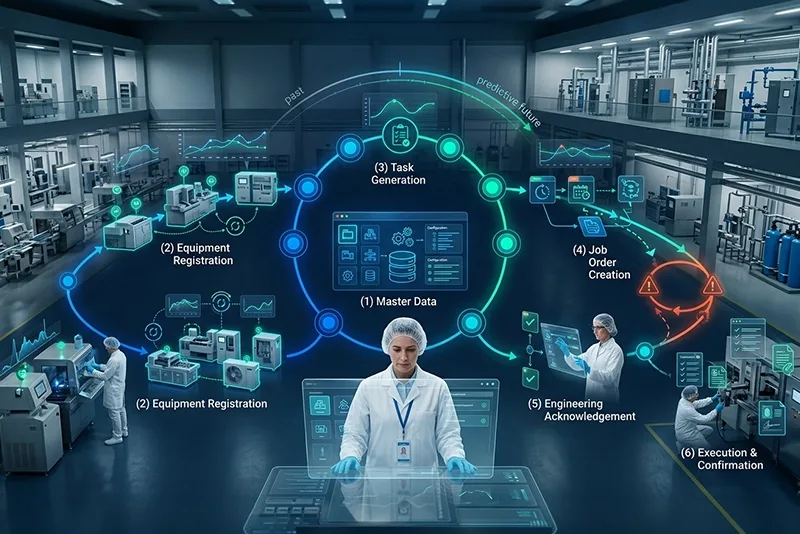
Calibration Management Software (CMS) has become a critical tool in modern industries—especially in pharmaceuticals and manufacturing—where accuracy, compliance, and data integrity are non-negotiable. As regulatory requirements tighten and operational complexity increases, organizations are rapidly moving away from manual calibration tracking toward automated, intelligent systems.
What is Calibration Management Software?
Calibration Management Software is a digital solution designed to manage the complete lifecycle of equipment calibration. It ensures that all instruments used in production and quality processes are accurate, reliable, and compliant with industry standards.
In highly regulated environments, such as pharmaceutical manufacturing, even minor measurement errors can impact product quality and patient safety. CMS helps eliminate these risks by standardizing and automating calibration workflows.
Key Features of Calibration Management Software
Modern CMS platforms offer a wide range of advanced capabilities:
- Automated Scheduling: Calibration tasks are automatically planned based on equipment criticality and usage frequency.
- Digital Documentation: Electronic calibration certificates and records improve traceability and eliminate paperwork.
- Real-Time Alerts: Notifications for overdue or out-of-tolerance instruments help prevent compliance issues.
- Audit Trails: Complete history of calibration activities ensures transparency and audit readiness.
- System Integration: Seamless integration with ERP, CMMS, LIMS, and other enterprise systems.
- Predictive Analytics: AI-driven insights predict calibration drift and maintenance needs.
Benefits of Calibration Management Software
Implementing a CMS provides several operational and regulatory advantages:
1. Improved Accuracy and Quality
Automated calibration reduces human error and ensures precise measurements, directly improving product quality.
2. Regulatory Compliance
CMS supports compliance with global standards such as FDA, EMA, and GMP by maintaining accurate and verifiable records.
3. Enhanced Efficiency
Automation reduces manual effort, saving time and allowing teams to focus on critical tasks.
4. Reduced Downtime
Predictive maintenance capabilities help identify potential failures before they occur, minimizing disruptions.
5. Audit Readiness
Digital records and audit trails ensure organizations are always prepared for inspections.
Why Businesses Need CMS Today
Traditional paper-based calibration systems are prone to errors, delays, and compliance risks. As industries face stricter regulations and higher expectations for data integrity, digital transformation is no longer optional.
Calibration Management Software not only ensures compliance but also enhances operational visibility, enabling organizations to make data-driven decisions and maintain continuous production quality.
Future of Calibration Management
The future of CMS lies in AI and predictive analytics. Advanced platforms are evolving into intelligent systems that monitor equipment performance, forecast failures, and recommend maintenance actions proactively.
This shift from reactive to predictive maintenance is helping organizations achieve higher efficiency, lower costs, and improved reliability.