
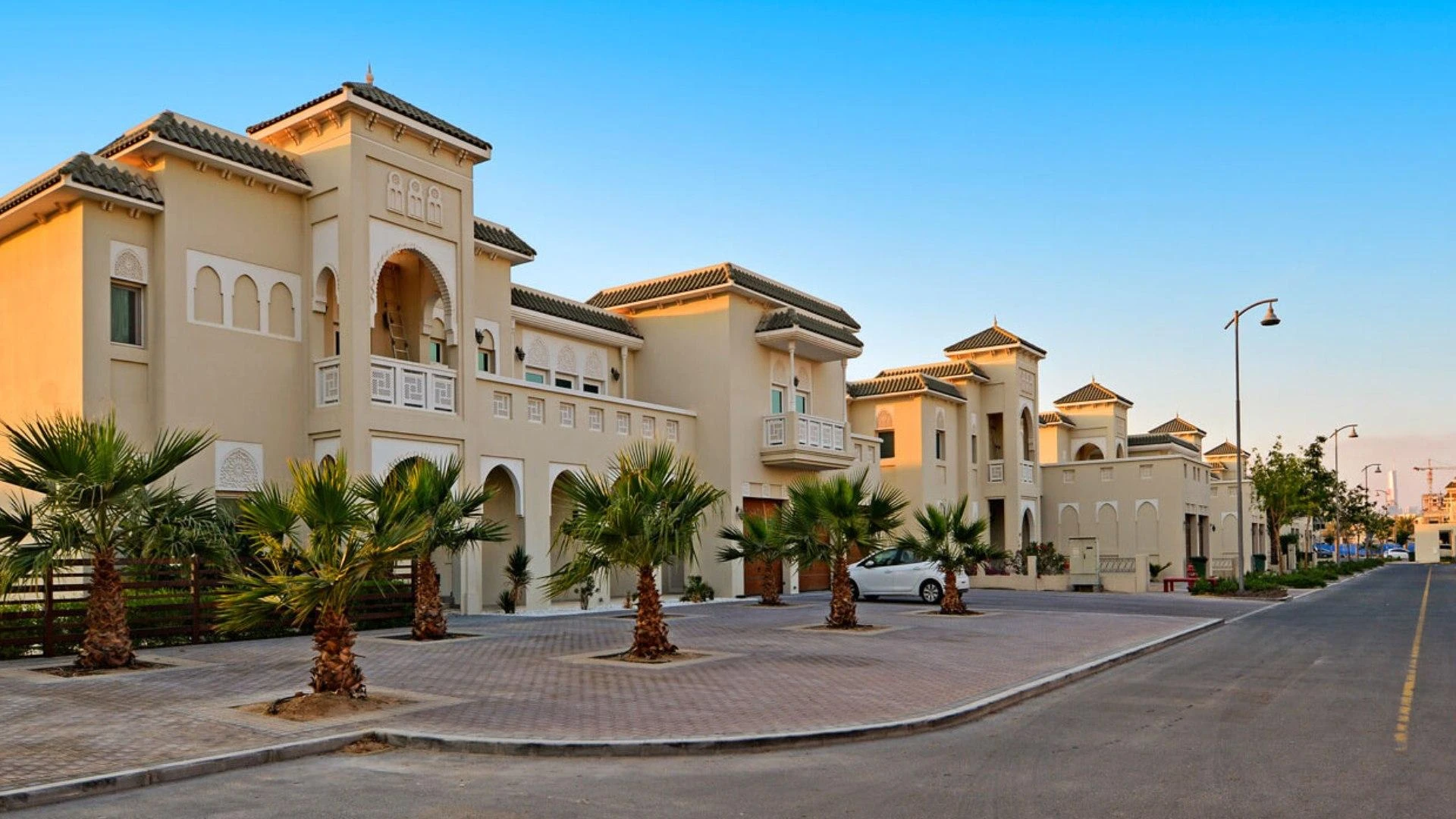
Buying property in Pakistan—especially when you’re on a limited budget—is more than just a financial decision. It’s a deeply emotional journey. For many, it represents the dream of stability, family, and a future rooted in their homeland. But this dream can quickly become overwhelming due to rising prices, legal hurdles, and lack of transparent information. From young couples looking to start a life together to expatriates returning home after decades, the need for trustworthy guidance is immense.
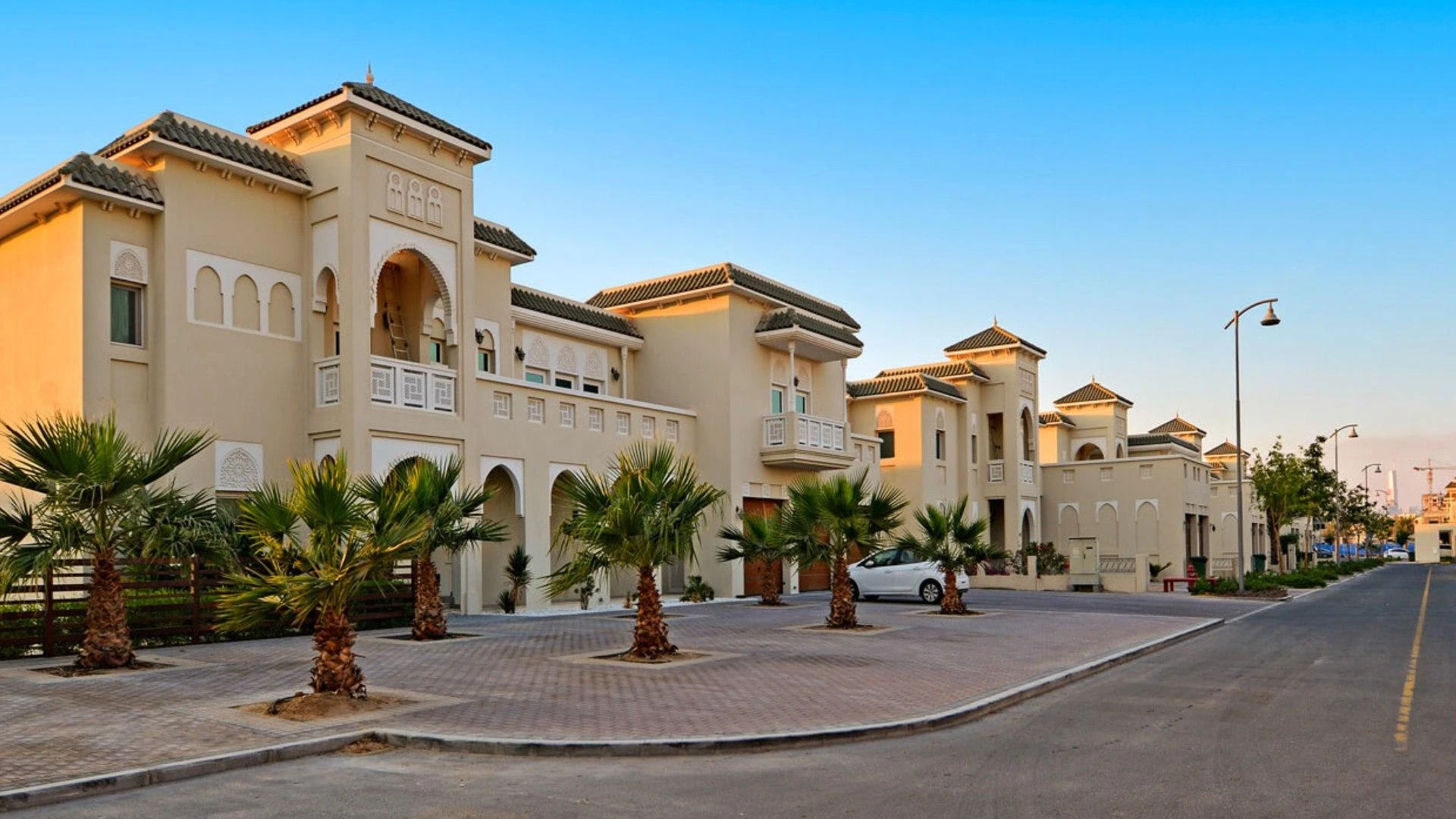
Budget-conscious buyers often find themselves juggling affordability with expectations of location, security, and accessibility. Whether it's a compact house in Lahore’s suburbs or an apartment in Karachi’s heart, the process can be daunting. Understanding your emotional and financial priorities is the first critical step toward successful homeownership or investment in Pakistan.
Major Cities vs. Emerging Towns: How to Strike a Balance
Pakistan’s major urban centers like Karachi, Lahore, and Islamabad are hotspots for real estate, but they often come with a hefty price tag. In contrast, emerging towns offer affordable opportunities—though sometimes at the cost of reduced infrastructure or longer commutes. Balancing aspiration with affordability is key here.
Cities such as Faisalabad, Multan, Bahawalpur, and Gujranwala are rapidly developing, offering well-planned housing societies and a lower cost of entry. These locations are becoming attractive to both locals and overseas Pakistanis, especially with improved access through motorways and regional airports. Exploring these cities is an effective strategy for those trying to find a property for sale or lease without overstretching their budget.
The Most Affordable Areas in Karachi, Lahore, and Islamabad
When targeting Pakistan’s major cities, buyers on a budget must be strategic. In Karachi, areas like Gulshan-e-Maymar, Surjani Town, and parts of Scheme 33 offer comparatively lower prices and good development potential. While these areas might not have the prestige of DHA or Clifton, they provide excellent value and solid growth potential.
In Lahore, Barki Road, Ferozepur Road, and the outskirts of Raiwind are attractive for low- to mid-range investors. For Islamabad, look toward Rawat, Bhara Kahu, or Chakri Road in Rawalpindi. While these zones may require a longer commute, they’re increasingly well-connected, often with planned infrastructure under CPEC-related projects. These neighborhoods cater well to both "properties for lease" and outright purchase.
The Rise of Housing Societies: Gateways to Budget-Friendly Ownership
The explosion of private and government-backed housing societies has opened new doors for budget-conscious buyers. Projects like Bahria Town, DHA Valley, Al-Kabir Town, and Blue World City offer payment plans, gated security, and standardized plots. These societies simplify the process, especially for first-time buyers or overseas Pakistanis unsure of local legal procedures.
However, not all societies are equal. Look for developments approved by local development authorities like LDA (Lahore Development Authority), CDA (Capital Development Authority), or SBCA (Sindh Building Control Authority). Scrutinize amenities, water and power availability, and legal status before signing. Always confirm NOCs (No Objection Certificates) and approval status to avoid fraud.
Don’t Overlook the Rental Market: Smart Budget Living via Lease
If your budget doesn’t allow you to purchase property immediately, leasing can be a smart step forward. “Properties for lease” in Pakistan are not just for renters—they’re strategic stepping stones. Leasing in emerging areas lets you experience neighborhood quality, gauge infrastructure, and assess resale value over time. This helps you make smarter future buying decisions.
Moreover, investors looking to generate income can explore budget-friendly leasing properties. A 5-marla house in a mid-tier city like Sahiwal or Vehari can yield steady monthly returns. Similarly, commercial shops for lease in markets like Saddar, Rawalpindi, or Hafeez Center, Lahore, offer lucrative earning potential. In a country with a growing population and housing shortage, rental property is a sound strategy.
Government Schemes and Subsidized Housing Options
Pakistan’s government has taken initiatives to support low-income and middle-class homebuyers. The Naya Pakistan Housing Program (NPHP) is a flagship effort to bridge the affordability gap. Through subsidized home loans via banks like Meezan Bank, Bank Al Habib, and Habib Bank Limited, buyers can access lower interest rates with long-term payment plans.
Applicants to these schemes must meet certain income criteria and typically prefer smaller units (e.g., apartments, 5-marla homes). It’s important to stay updated on registration windows and eligibility via official government portals. Also, consult with a registered bank representative to understand how to apply for these schemes. Such options are crucial for families trying to find a property for sale without upfront financial strain.
How Overseas Pakistanis Can Buy Affordably with Peace of Mind
For overseas Pakistanis, the dream of owning property back home often comes with trust issues and logistical complications. Many have faced fraud, misinformation, or unfair pricing. Fortunately, things are improving with digitization and new legal protections. Portals like Roshan Apna Ghar, launched by the State Bank of Pakistan, empower overseas citizens to invest safely.
Overseas buyers should work with certified agents or brokers registered with the Pakistan Real Estate Regulatory Authority (PRERA). Also, avoid sending funds through unverified channels—use legal banking corridors. Many reputable developers now offer online booking, 3D virtual tours, and installment plans tailored for expatriates. This opens a real path to affordable ownership, even if you’re thousands of miles away.
Using Online Portals to Your Advantage: Research Before You Invest
Gone are the days of relying solely on agents or newspaper classifieds. Pakistan’s real estate tech has grown, with online platforms like Zameen.com, Graana, Lamudi, and Jagah Online providing access to thousands of listings. These portals allow you to filter by price, city, size, and property type—ideal for finding a property for sale or lease within your budget.
Always compare listings, check location insights, and explore past price trends. Read community reviews, visit YouTube video walkthroughs, and if possible, do physical visits before making financial commitments. These platforms also often offer legal advisory, price estimation tools, and real-time chat with sellers—making the buying process more transparent.
Final Thoughts: Emotional Fulfilment and Smart Strategy
Buying property in Pakistan on a budget doesn’t mean you must compromise your dreams. With informed planning, emotional clarity, and smart decision-making, it’s entirely possible to find the right property. Whether you’re starting small with a leased apartment or purchasing a 3-marla plot in an up-and-coming area, every step counts toward financial freedom and emotional security.
Be patient, trust verified sources, and always work with legal documentation. Remember that owning a home is not just about bricks and mortar—it’s about building a life, anchoring your future, and creating memories. So if you’re dreaming big but buying smart, Pakistan’s dynamic property market has a place just for you.