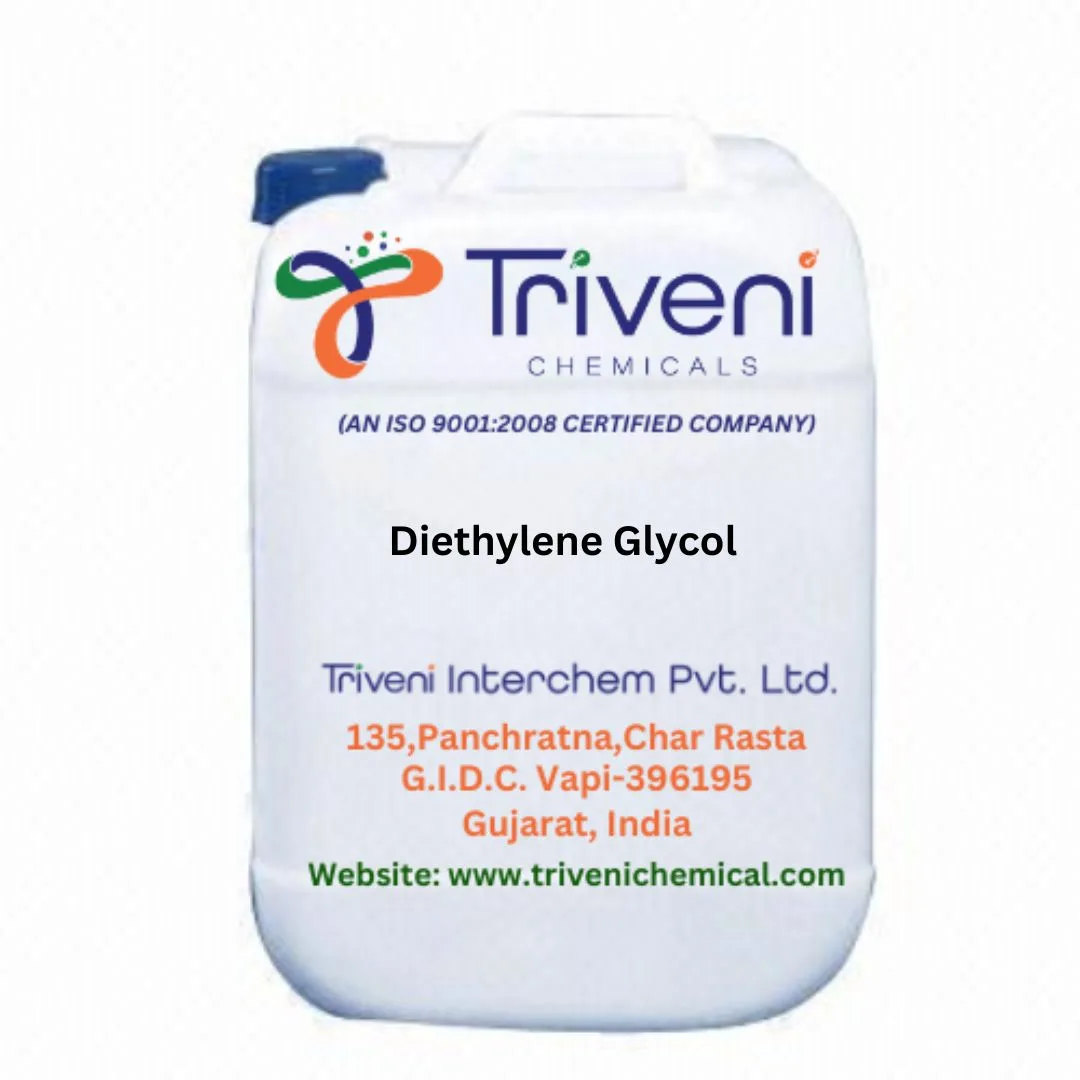
Bulk chemical procurement requires careful evaluation of product quality, supplier reliability, logistics, and commercial terms. Diethylene Glycol (DEG) is used in several industrial applications, making consistent sourcing important for manufacturers and chemical processors.
Understanding Bulk DEG Requirements
Before purchasing Diethylene Glycol in large quantities, buyers should identify the application and required product specifications. The grade and purity should match the intended process, as different industrial applications may have different requirements.
DEG is commonly considered for chemical intermediate production, selected solvent applications, and gas dehydration processes.
What Should Buyers Check Before Ordering?
1. Product Specifications
Review purity, appearance, relevant physical properties, and other agreed technical parameters.
2. Quality Documentation
Request a recent COA, TDS, and SDS to evaluate product quality and understand safe handling requirements.
3. Packaging and Storage
Confirm suitable packaging, storage conditions, and compatibility with the intended transportation method.
4. Quantity and Delivery
Clearly communicate the required quantity, delivery location, preferred delivery schedule, and packaging preference.
5. Commercial Terms
Compare pricing, payment terms, freight arrangements, taxes, and delivery commitments before confirming the purchase.
Additional Considerations for Bulk Diethylene Glycol Procurement
6. Understand the Intended Application
The intended use of Diethylene Glycol should guide the purchasing decision. Buyers involved in resin manufacturing, chemical processing, solvent applications, or gas dehydration should communicate their specific requirements before placing an order. This helps ensure that the supplied grade is appropriate for the intended process.
7. Check Supplier Transparency
A reliable chemical sourcing partner should provide clear information about product specifications, manufacturing origin, packaging, and availability. Buyers should also confirm whether the material is sourced domestically or imported, particularly when origin documentation is required for internal quality procedures.
8. Plan Inventory and Repeat Orders
For businesses using DEG regularly, procurement planning is important. Estimating monthly consumption, maintaining suitable inventory levels, and discussing repeat-order schedules can help reduce the risk of production interruptions. Buyers should also consider storage capacity and safe handling requirements when deciding the order quantity.
9. Review Transportation and Safety Requirements
Before dispatch, confirm that the packaging is suitable for the material and transportation conditions. Diethylene Glycol must be handled carefully because ingestion can cause serious poisoning. Ensure that workers have access to the SDS, appropriate protective equipment, and suitable storage arrangements.
A well-planned procurement process helps industrial buyers manage quality expectations, supply continuity, and purchasing costs more effectively.
Sourcing Diethylene Glycol in Bulk
Businesses planning to buy diethylene glycol in bulk should work with a sourcing partner that can communicate product specifications, documentation, availability, and delivery details clearly.
Chemical Procurement Support from ChemicalBull
ChemicalBull assists businesses with industrial chemical sourcing and bulk procurement requirements. Buyers can visit Chemical Bull to explore available chemicals and submit their enquiries.
A structured procurement process helps businesses maintain material consistency, manage supply requirements, and reduce avoidable purchasing issues.
Safety Reminder: Diethylene Glycol is toxic if swallowed. Bulk handling requires appropriate protective measures, safe storage, and compliance with the relevant SDS.