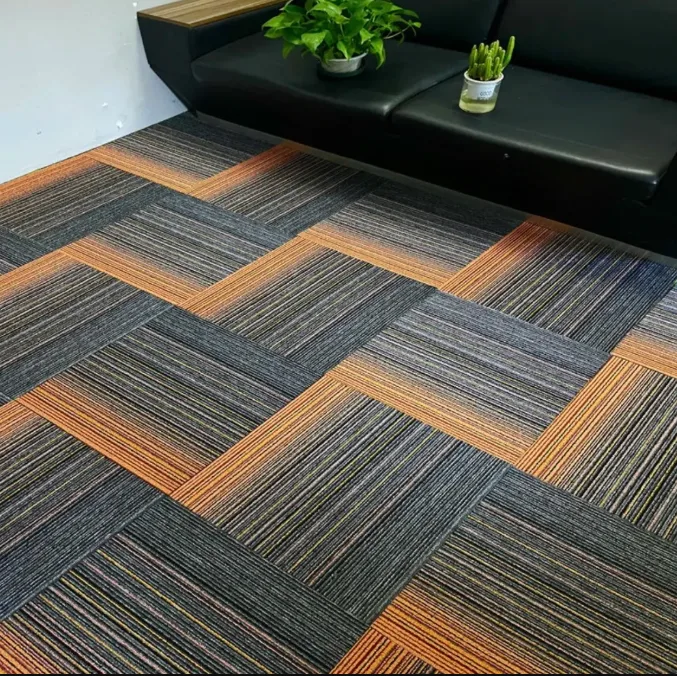
Finding cheap carpet for sale can feel like a bit of a win. You spot a deal, do a quick mental calculation, and think—why pay more?
But here’s the thing most people only realise later: not every bargain holds up once it’s on your floor.
I’ve seen plenty of Auckland homes where a “great deal” turned into frustration within a year—ripples forming, edges lifting, or that odd chemical smell that never quite goes away. The carpet looked fine in the store. The problem was everything behind the decision.
If you’re considering cheap carpet for sale, it’s not about avoiding deals. It’s about knowing what to check before you commit.
Why Sale Carpets Deserve a Second Look
There’s nothing wrong with buying carpet on sale. In fact, some of the best value sits in clearance stock.
But discounts usually come with a backstory:
- Overstock that needs to move
- Discontinued colours or styles
- Older stock that’s been sitting in storage
- Lower-grade materials priced to sell
None of that is automatically bad. It just means you shouldn’t treat it like a standard purchase.
A bit of extra scrutiny goes a long way here.
1. The Backing Matters More Than You Think
Most people run their hand over the surface, check the colour, and move on.
But if you really want to judge quality, flip the carpet over.
The backing is what holds everything together. If it’s weak, the whole carpet suffers—no matter how good it looks on top.
A poor backing can:
- Break down faster than expected
- Cause the carpet to shift or loosen
- Lead to ripples over time
Quick tip:
It should feel solid and stable, not brittle or crumbly. If it looks tired before it’s even installed, that’s a red flag.
2. Underlay Isn’t an Add-On—It’s Half the Job
This is where a lot of “cheap” installs quietly fall apart.
Underlay doesn’t just add comfort. It affects how your carpet wears, feels, and lasts.
Go too cheap here, and you’ll notice:
- Less cushioning underfoot
- Faster wear in high-traffic areas
- A slightly uneven feel when walking
Some cheap carpet for sale deals include very basic underlay just to keep the price attractive.
What to ask:
- What type of underlay is included?
- What’s the density or thickness?
Upgrading underlay is often one of the smartest small investments you can make.
3. That “New Carpet Smell” Isn’t Always a Good Sign
You know that strong, fresh smell? A lot of people associate it with new carpet.
But in some cases, it’s actually a sign of higher chemical emissions.
Lower-cost carpets can release more VOCs (volatile organic compounds), which may:
- Irritate sensitive noses
- Trigger mild headaches
- Affect indoor air quality over time
It’s not something most buyers think about—but it matters, especially in bedrooms or family spaces.
Simple check:
Ask if the carpet has low-VOC certification. If the smell is overpowering in-store, it’s worth questioning.
4. Look Closely for Imperfections
Sale stock isn’t always flawless.
Sometimes you’ll find:
- Slight colour differences between batches
- Small marks or inconsistencies
- Pattern alignment issues
These things aren’t always obvious under showroom lighting.
What helps:
- Ask whether it’s first-grade or clearance
- View a larger sample if possible
- Check it in natural light
A minor imperfection might not bother you—but it shouldn’t come as a surprise after installation.
5. Think About Safety Underfoot
Carpet isn’t just about comfort—it’s also about safety.
Poor-quality materials or rushed installation can lead to:
- Edges lifting near doorways
- Carpet shifting over time
- Uneven joins between rooms
These aren’t just cosmetic issues. They’re genuine trip hazards.
This often happens when homeowners pair cheap carpet for sale with the lowest installation quote they can find.
Better approach:
Save on the product if you like—but don’t cut corners on installation.
6. Fire Safety Isn’t Something to Guess
It doesn’t come up in most showroom conversations, but it should.
Not all carpets meet the same fire safety standards. Lower-cost options—especially older stock—may not perform as well in extreme conditions.
That’s particularly relevant for:
- Bedrooms
- Rental properties
- Multi-storey homes
Ask directly:
- Does this carpet meet NZ safety standards?
- Is it rated for residential use?
It’s a simple check that gives you peace of mind.
7. Always Ask: Why Is It on Sale?
This question cuts through everything.
Every discounted carpet has a reason behind it.
Sometimes it’s harmless:
- End-of-line stock
- Overstock clearance
Other times, it’s more relevant:
- Lower durability
- Older materials
- Supplier changes
Knowing the reason helps you decide if it suits your situation.
A budget option might be perfect for a rental or low-traffic room—but not ideal for a busy family home.
When looking at cheap carpet for sale, don’t just look at the price. Understand the context.
A Real Auckland Example
A homeowner in West Auckland once picked up a heavily discounted carpet for a full house install.
On paper, it was a great deal.
But within 18 months:
- The carpet had flattened in walkways
- The underlay had lost its support
- Edges near transitions started lifting
Nothing catastrophic—but enough to feel like a mistake.
The issue wasn’t buying on sale. It was skipping the checks that would’ve flagged these risks early.
How to Buy Smart Without Missing Out
You don’t need to avoid deals. You just need a more deliberate approach.
Here’s what tends to work well:
- Slow down the decision
A good deal should still hold up tomorrow - Separate supply and install
Buy the carpet on sale, but choose a reliable installer - Think beyond upfront cost
Longevity matters more than initial savings - Work with people who explain things clearly
A good supplier won’t dodge your questions
The best outcomes usually come from a mix of smart buying and informed decisions.
Where the Right Supplier Makes a Difference
Not all sellers approach sale stock the same way.
A reliable supplier will:
- Be upfront about why a carpet is discounted
- Recommend suitable underlay options
- Help you match the product to your lifestyle
- Connect you with experienced installers
That guidance matters, especially when you’re navigating cheap carpet for sale options with varying quality levels.
Final Thoughts
There’s nothing wrong with chasing a good deal. In fact, some of the best flooring decisions start that way.
But price alone shouldn’t drive the choice.
Take a few extra minutes to check what’s underneath, ask a couple of direct questions, and think about how the carpet will perform—not just how it looks today.
Do that, and buying cheap carpet for sale becomes exactly what it should be: a smart, confident decision—not a compromise.