
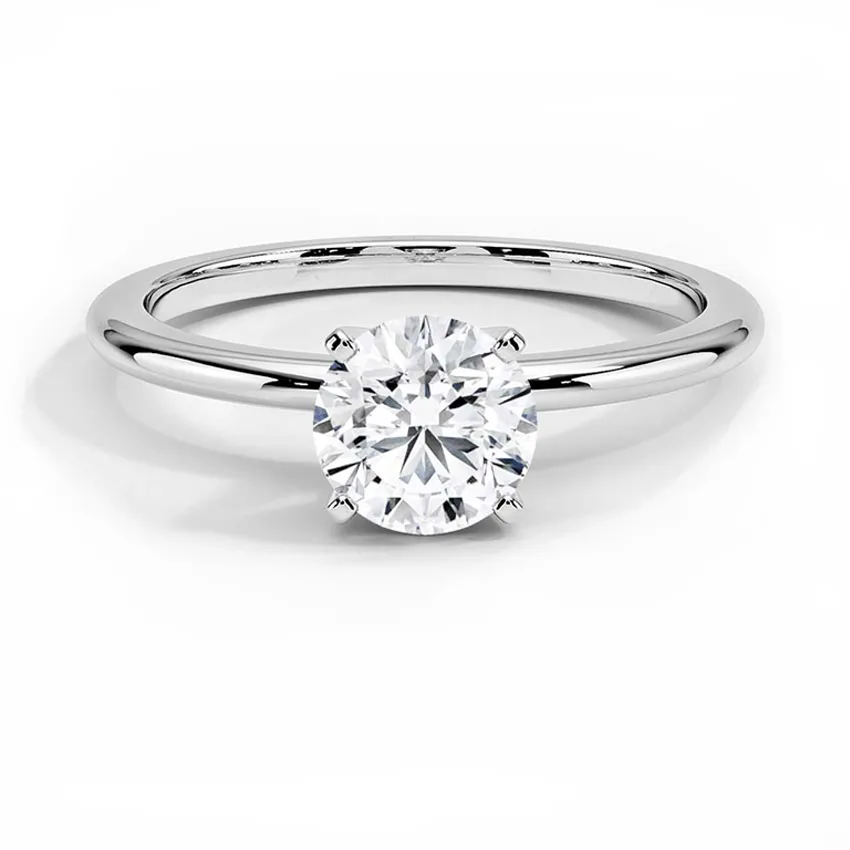
Some engagement rings make an impression through elaborate details, while others stand out because of their simplicity. A solitaire ring belongs to the second category. Its design places one diamond at the center, allowing the stone to become the defining feature of the entire piece.
For couples who appreciate clean lines and timeless jewelry, the decision to Buy Solitaire Engagement Rings can be an excellent starting point. However, choosing the right solitaire involves more than selecting a beautiful diamond. The shape, proportions, setting, metal, lifestyle, and budget all deserve attention.
With diamondhedge, shoppers can research different diamond characteristics and compare options before deciding which stone and setting best suit their needs.
What Makes Solitaire Rings Different?
A solitaire engagement ring is designed around one prominent center stone. Unlike halo or multi-stone designs, it does not rely on a collection of surrounding diamonds to create visual impact.
This minimalist approach has several advantages. The center diamond receives uninterrupted attention, making its shape and quality especially noticeable. The uncomplicated design also makes solitaires easy to pair with different wedding bands and everyday jewelry.
For someone who prefers jewelry that feels refined rather than overly decorative, a solitaire can offer an appealing balance of sophistication and simplicity.
Start With the Ring Wearer's Style
Before comparing diamonds, consider the person who will wear the ring. An engagement ring should feel natural with their existing wardrobe and jewelry.
Look at the styles they already choose:
- Minimal and understated pieces
- Vintage-inspired jewelry
- Modern geometric designs
- Warm yellow-gold jewelry
- Bright white-metal pieces
- Delicate or bold rings
These details can help narrow down the right solitaire design.
Someone who prefers understated jewelry may appreciate a slim band and simple setting. Someone with a more distinctive style might prefer an unusual diamond shape or a more substantial band.
Explore Less Traditional Diamond Shapes
A solitaire does not have to feature a round diamond. Exploring different shapes can create a more individual look.
Oval Diamonds
Oval diamonds bring a graceful, elongated appearance to a solitaire. Their proportions can give the ring a distinctive presence while maintaining an elegant character.
Pear-Shaped Diamonds
The teardrop silhouette of a pear diamond creates an eye-catching profile. It works particularly well for someone who wants a classic design with a less conventional center stone.
Marquise Diamonds
Marquise diamonds have pointed ends and a long, narrow outline. Their distinctive shape can create a dramatic appearance while offering a unique alternative to traditional round stones.
Radiant Diamonds
Radiant cuts combine a rectangular or square outline with brilliant-style faceting. They can provide plenty of sparkle while maintaining a structured silhouette.
Asscher Diamonds
Asscher cuts feature a geometric shape and step-cut facets. They are particularly appealing to buyers who appreciate Art Deco-inspired designs and understated sophistication.
Exploring different shapes can make the final ring feel more personal without adding unnecessary decorative elements.
Look Beyond Carat Weight
Many shoppers begin their search by deciding how many carats they want. While carat weight matters, it should not be the only consideration.
A diamond's visual impact also depends on its dimensions, cut, shape, and proportions. Two diamonds with identical carat weights can look noticeably different when viewed from above.
When you Buy Solitaire Engagement Rings, consider how the stone actually presents itself rather than judging it by weight alone.
This approach can sometimes help you find a diamond with impressive visual presence without moving into a higher price range.
Consider Light Performance
A solitaire places the center diamond directly in the spotlight. Because there are no surrounding stones to share attention, light performance becomes particularly important.
Look for a diamond that displays attractive brilliance and lively reflections. The quality of the cut and the relationship between its facets and proportions influence how it handles light.
If possible, review detailed imagery or videos when shopping online. These can provide additional insight into how a diamond looks from different angles.
Choose a Setting That Complements the Diamond
The setting should enhance the diamond without overwhelming it.
Classic Prong Setting
Prongs hold the diamond in place while leaving much of the stone visible. This traditional approach works well with many diamond shapes.
Cathedral Setting
A cathedral setting uses raised metal shoulders that curve upward toward the center stone. It adds architectural detail while creating a sense of elevation.
Bezel Setting
A bezel surrounds the diamond's edge with metal. It offers a sleek, contemporary appearance and can provide additional protection around the stone.
Tension-Inspired Designs
Some modern rings use structural elements to create the appearance that the diamond is suspended within the setting. These designs can create a striking contemporary look but require careful craftsmanship.
The setting should be selected based on the diamond's shape, desired appearance, and the wearer's daily activities.
Pick a Metal With the Diamond in Mind
Metal selection can change the character of a solitaire significantly.
Yellow gold provides warmth and a traditional jewelry aesthetic.
White gold offers a clean, contemporary appearance that works naturally with many diamond shapes.
Rose gold creates a softer, romantic look with its subtle pink tone.
Platinum offers a naturally white appearance and is often selected for its durability and premium feel.
Think about the wearer's existing jewelry when making this decision. A metal that complements their everyday pieces can make the engagement ring feel more cohesive.
Create a Practical Budget
A good engagement ring purchase begins with a realistic spending limit. Instead of deciding on a carat weight first, determine what you can comfortably afford.
Then divide your priorities.
You might decide that cut quality is more important than size. Another buyer may prioritize a specific shape or metal. There is no universal formula because preferences and financial circumstances differ.
Once you know your priorities, you can compare diamonds more efficiently and avoid spending money on characteristics that are less important to you.
Certification Provides Valuable Information
A diamond grading report can help you understand the characteristics of the stone you are considering.
Before purchasing, review information such as:
- Carat weight
- Color
- Clarity
- Cut where applicable
- Measurements
- Proportions
- Identification details
Certification is particularly useful when comparing diamonds online because it gives you a standardized source of information.
It should be considered alongside the diamond's visual appearance and the details provided by the seller.
Compare the Complete Package
Price should never be viewed in isolation. A lower-priced diamond is not necessarily a better deal if it has characteristics that do not meet your priorities.
When comparing options, consider:
Diamond quality
Look at the full combination of cut, color, clarity, and carat.
Shape and appearance
Choose a stone that matches the intended style.
Setting quality
Make sure the ring provides an appropriate balance of beauty and security.
Certification
Review the available grading documentation.
Overall cost
Consider the diamond and setting together rather than focusing on one component.
diamondhedge can help shoppers research different diamond options and compare important characteristics during this process.
Think About Long-Term Wear
An engagement ring is usually worn frequently, so appearance is only part of the decision. Think about the wearer's lifestyle.
Someone who works with their hands may prefer a lower-profile setting. Someone who enjoys statement jewelry may appreciate a larger center stone or more distinctive shape.
Also consider whether the ring will be comfortable alongside a wedding band. A solitaire's relatively simple structure often makes it easier to pair with different band styles, but the exact setting still matters.
Shopping Online With Confidence
Online diamond shopping provides access to a broad selection, but buyers should take time to verify important information.
Before completing a purchase, review:
- Diamond specifications
- Grading documentation
- Images or videos
- Return policies
- Warranty or service information
- Shipping details
- Customer support
Avoid making a decision based solely on a promotional price. Clear product information and transparent purchasing policies are important parts of a positive buying experience.
Why diamondhedge Can Support Your Search
diamondhedge gives diamond shoppers a convenient place to research available options and understand important diamond characteristics.
Rather than selecting a ring based on a single specification, buyers can compare different possibilities and consider how quality, shape, setting, and price work together.
This research-first approach can be especially useful when you are looking for a solitaire because the center diamond plays such a significant role in the finished ring.
Conclusion
The decision to Buy Solitaire Engagement Rings does not have to mean choosing a predictable design. A solitaire provides a simple foundation that can be personalized through diamond shape, setting style, metal, proportions, and overall craftsmanship.
Take time to understand the diamond, consider the wearer's lifestyle, establish a comfortable budget, and compare complete ring options rather than focusing on one specification. Reviewing certification and researching sellers can also provide greater confidence during the purchase.
With diamondhedge, shoppers can explore diamond information and compare options before making their final decision. The result can be a solitaire engagement ring that feels elegant, personal, and genuinely suited to the person who will wear it.