
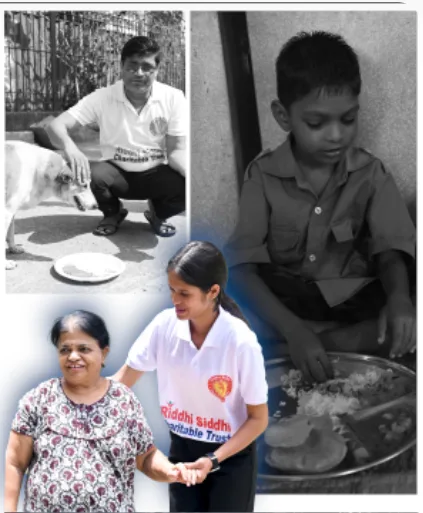
In a fast-moving urban landscape where millions strive for better opportunities every day, the role of a charity trust in Mumbai India has become more important than ever. From supporting education and healthcare to empowering women, helping senior citizens, and responding to emergencies, charitable organizations are contributing significantly to social development across metropolitan regions. As Mumbai continues to grow as India’s financial capital, the need for organized philanthropic initiatives is also expanding rapidly.
India’s nonprofit and CSR ecosystem has witnessed major growth in recent years. Reports suggest that India’s social sector funding has increased steadily, with corporate social responsibility initiatives and household giving contributing heavily to community welfare projects. This transformation has encouraged trusts and charitable institutions to adopt more transparent, impact-driven, and technology-enabled approaches to social work.
One of the most important functions of charitable trusts today is bridging the gap between underserved communities and essential resources. In densely populated cities like Mumbai, many families still struggle with access to education, nutrition, healthcare, and livelihood opportunities. Trusts working at the grassroots level often become the first support system for vulnerable individuals, especially during economic instability, medical emergencies, or natural disasters.
Education remains one of the primary focus areas for charitable activities in India. Many trusts provide scholarships, school supplies, digital learning access, and vocational training programs for children and youth from economically weaker backgrounds. Skill development initiatives are also gaining momentum because they create long-term employment opportunities rather than temporary assistance. This shift toward sustainable impact is becoming a defining feature of modern philanthropy.
Healthcare support is another critical area where charitable organizations are making a meaningful difference. Free medical camps, blood donation drives, awareness campaigns, mental health initiatives, and support for elderly care have become increasingly common in urban regions. As healthcare expenses continue to rise, nonprofit intervention helps many low-income families access basic treatment and preventive care services.
Women empowerment programs are also receiving significant attention. Across India, charitable trusts are supporting self-help groups, entrepreneurship training, financial literacy workshops, and small business initiatives for women. These programs not only improve household income but also strengthen confidence and social participation. In many cases, women-led community initiatives have shown stronger long-term impact because they directly influence education, nutrition, and child welfare within families.
Corporate Social Responsibility has further strengthened the nonprofit ecosystem in India. Under the Companies Act, eligible corporations are required to allocate a portion of their profits toward CSR activities, creating greater collaboration between businesses and social organizations. Experts note that CSR spending in India has crossed tens of thousands of crores annually, supporting projects in education, healthcare, rural development, sustainability, and social welfare.
Technology is also reshaping the charitable sector. Digital donation platforms, online volunteer networks, crowdfunding campaigns, and social media awareness drives have made it easier for people to contribute to causes they care about. Transparency has become a major priority, with donors increasingly expecting measurable outcomes and regular reporting from organizations they support. Many trusts now publish annual reports, impact assessments, and beneficiary stories to build public trust and credibility.
Another emerging trend is the growing importance of community participation. Modern charitable initiatives are no longer limited to financial aid alone. Volunteers, professionals, educators, healthcare workers, and local citizens are actively contributing their time and expertise. This collaborative approach helps create stronger, more resilient communities where people feel directly involved in positive social change.
However, challenges still exist within the sector. Smaller organizations often struggle with funding consistency, proposal documentation, digital adoption, and operational scalability. Several reports highlight the need for stronger partnerships between corporates and grassroots organizations to ensure that funding reaches communities more effectively. Strengthening governance, accountability, and training can help nonprofit institutions increase their long-term impact.
As India moves toward a more socially conscious and development-focused future, charitable trusts will continue playing a crucial role in nation-building. Whether through education support, healthcare access, women empowerment, elderly care, or disaster relief, these organizations contribute to creating a more inclusive society. In a city as dynamic and diverse as Mumbai, philanthropy is not just about donations—it is about creating opportunities, dignity, and hope for people who need it most.