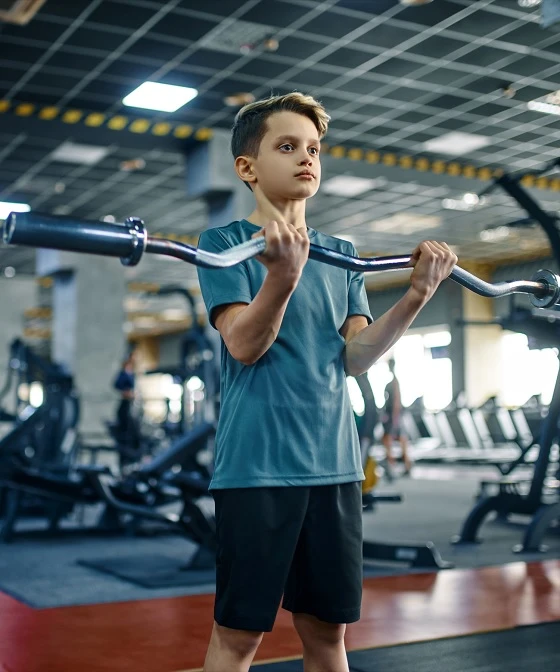
Student athletes juggle a demanding mix of academics, training, competitions, and personal growth. Excelling in both the classroom and on the field requires more than natural talent it demands structure, discipline, and informed physical preparation. As competitive standards rise across school and collegiate sports, young athletes increasingly rely on structured guidance, including support from a Personal Trainer for Student Athlete, to develop safely and effectively. A thoughtful training approach can help students build strength, improve performance, reduce injury risk, and maintain long-term athletic health.
This guest post explores how individualized training supports student athletes during their most formative years. It looks at physical development, mental resilience, injury prevention, and balance without focusing on brands or promotions so families, coaches, and students can better understand what purposeful athletic training involves.
Understanding the Unique Needs of Student Athletes
Student athletes are not miniature professionals. Their bodies are still developing, and their schedules are shaped by school calendars, exams, and social responsibilities. Growth spurts, hormonal changes, and uneven muscle development all affect how training should be structured. Programs that ignore these realities can lead to overuse injuries, burnout, or stalled progress.
A well-designed plan respects age, sport, training history, and academic load. It prioritizes movement quality, coordination, and gradual progression rather than maximum intensity. This approach helps young athletes adapt safely while building confidence and consistency.
Physical Development During Growth Years
Adolescence is a critical window for athletic development. Bone density increases, neuromuscular coordination improves, and foundational strength patterns are established. Training during this period can enhance speed, agility, and power when done correctly.
Key priorities include:
- Movement mechanics: Learning how to squat, hinge, push, pull, and rotate safely
- Core stability: Supporting posture, balance, and efficient force transfer
- Flexibility and mobility: Maintaining joint health as bones grow faster than muscles
A Personal Trainer for Student Athlete works within these parameters, adjusting intensity and volume to match developmental stages. The goal is not short-term performance spikes but sustainable progress that carries into later competitive years.
Sport-Specific Conditioning Without Overtraining
Different sports demand different physical qualities. A swimmer needs shoulder stability and aerobic capacity, while a soccer player relies on lower-body power and agility. Effective training acknowledges these differences while avoiding excessive specialization too early.
Balanced programs often include:
- Strength training tailored to the sport’s movement patterns
- Conditioning that reflects game demands rather than generic endurance work
- Recovery strategies such as mobility sessions and rest days
By aligning training with sport requirements, student athletes can enhance performance while reducing unnecessary stress on developing bodies.
Injury Prevention as a Core Focus
Injury risk increases when young athletes train intensely without proper supervision or recovery. Common issues include stress fractures, tendonitis, knee pain, and shoulder strain. Many of these injuries stem from poor mechanics, muscle imbalances, or sudden increases in workload.
Preventive strategies emphasize:
- Proper warm-up and cool-down routines
- Strengthening stabilizing muscles often overlooked in team practices
- Monitoring training loads across school, club, and personal workouts
Rather than reacting to injuries after they occur, structured training proactively addresses weak points. This keeps athletes participating consistently and confidently.

Building Mental Resilience and Discipline
Athletic success is not purely physical. Student athletes face pressure from competition, expectations, and time constraints. Training environments that teach goal-setting, focus, and accountability help athletes manage stress and maintain motivation.
Consistent routines foster:
- Confidence through measurable progress
- Time-management skills transferable to academics
- A growth mindset that values effort and learning
A Personal Trainer for Student Athlete often becomes a guide in this process, reinforcing discipline and encouraging resilience during setbacks such as losses, injuries, or academic challenges.
Balancing Academics and Athletic Commitments
One of the greatest challenges for student athletes is balance. Overtraining can negatively affect sleep, concentration, and academic performance. Effective training plans consider school schedules, exam periods, and seasonal competition demands.
Strategies for balance include:
- Short, efficient workouts during high academic stress
- Periodized training that peaks during competition seasons
- Emphasis on sleep, nutrition, and recovery
When training supports rather than competes with academics, student athletes are more likely to succeed holistically.
Long-Term Athletic Development Over Quick Results
In youth sports, the temptation to chase immediate results can overshadow long-term well-being. Early success does not always predict future performance, especially if it comes at the cost of overuse injuries or burnout.
Long-term development focuses on:
- Gradual increases in strength and intensity
- Exposure to multiple movement skills and athletic experiences
- Enjoyment and intrinsic motivation
This philosophy prepares student athletes not just for their next season, but for years of healthy participation in sport and physical activity.
Nutrition and Recovery Education
Training adaptations occur during recovery, not during the workout itself. Student athletes benefit from basic education around fueling, hydration, and rest. While nutrition plans should remain general and non-clinical, understanding principles like balanced meals and post-training recovery can make a significant difference.
Recovery habits include:
- Adequate sleep for growth and cognitive function
- Hydration before, during, and after training
- Light mobility or stretching on rest days
These habits support both athletic performance and academic focus.
The Role of Individualized Guidance
Group practices are valuable, but they cannot address every individual need. Personalized guidance helps identify weaknesses, track progress, and adjust training as athletes grow. This individualized approach ensures exercises are performed correctly and safely.
A Personal Trainer for Student Athlete provides structure and accountability while adapting sessions to the athlete’s changing needs. The emphasis remains educational and developmental rather than promotional or commercial.
Preparing for the Next Level of Competition
As student athletes progress toward collegiate or elite levels, expectations increase. Strength standards rise, competition intensifies, and schedules become more demanding. Early exposure to proper training habits prepares athletes for these transitions.
Preparation includes:
- Understanding structured training cycles
- Developing self-awareness around recovery and workload
- Building confidence in physical capabilities
Athletes who learn these skills early are better equipped to handle higher levels of competition without sacrificing health or academic priorities.
Encouraging Lifelong Healthy Habits
Not every student athlete will pursue sports beyond school, but the habits they develop can last a lifetime. Learning how to train safely, stay active, and manage stress benefits overall well-being long after competitive seasons end.
Positive outcomes include:
- Appreciation for physical activity as part of daily life
- Reduced risk of injury in recreational sports
- Strong foundation for lifelong fitness
This broader perspective reinforces the true value of structured athletic training during youth. Supporting student athletes requires patience, knowledge, and respect for their developmental stage, which is why guidance from a Personal Trainer can play a meaningful role. Thoughtful training enhances performance while safeguarding health, academics, and enjoyment of sport. By prioritizing long-term growth over short-term gains, student athletes can thrive both on and off the field.
Soho Fit Tampa
3431 S Westshore Blvd Tampa 33629
+1 813-586-0760