The UAE's built environment is one of the most dynamic in the world. From iconic skyscrapers in Dubai to large-scale industrial facilities in Abu Dhabi and residential communities across the Emirates, the pace of construction here has few rivals globally. But with rapid development comes an equally critical responsibility ensuring that every structure is safe, compliant, and built to last.
This is where professional building inspection services become indispensable.
Whether you are a property developer overseeing a new project, a facility manager responsible for an ageing asset, a contractor completing a handover, or a real estate investor evaluating a purchase, building inspections give you the clarity and confidence you need to make informed decisions. In a regulatory environment as structured as the UAE's, skipping this step is not just risky it can be costly.
In this article, we explore everything you need to know about building inspection services in the UAE: what they involve, why they matter, what types are available, and how the right inspection partner can protect your investment and your people.
What Are Building Inspection Services?
At their core, building inspection services involve a thorough, systematic assessment of a structure its components, systems, and overall condition to evaluate safety, performance, and regulatory compliance.
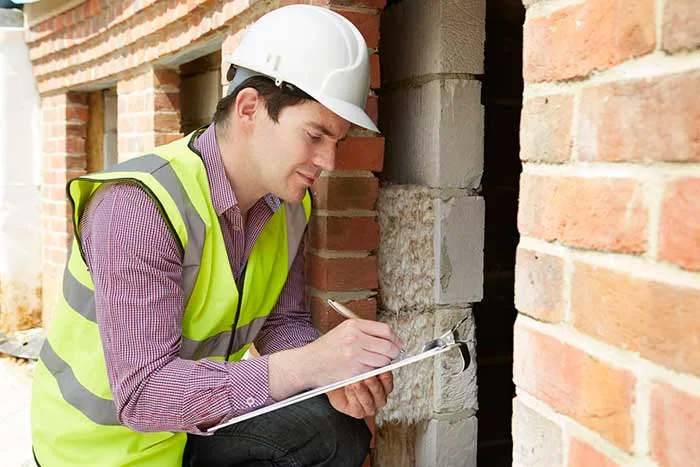
A qualified building inspector examines everything from a building's foundation, structural frame, and facade to its mechanical systems, fire safety installations, waterproofing, and finishes. The objective is to identify defects, non-conformances, deterioration, or safety hazards before they escalate into serious problems.
Building inspections are not a one-size-fits-all service. They can be carried out at various stages of a building's life cycle during construction, at project handover, periodically during occupation, or prior to buying or selling a property. Each stage has its own requirements, risks, and inspection methodology.
Why Building Inspections Are Critical in the UAE
The UAE has one of the most robust and rapidly evolving construction sectors in the world. The country's ambitious infrastructure projects, high population density in urban centres, and extreme climatic conditions including intense heat, humidity, and sandstorms all place significant demands on building structures and materials.
Here are the primary reasons why building inspection services are not optional in this environment:
1. Regulatory Compliance RequirementsThe UAE's construction and property sectors are governed by a comprehensive framework of building codes, municipal regulations, and safety standards. Authorities such as Dubai Municipality, the Abu Dhabi Department of Municipalities and Transport (DMT), and the UAE Civil Defence set strict requirements for structural safety, fire protection, and environmental standards. Regular inspections help ensure that properties remain compliant with these evolving regulations.
Non-compliance can result in fines, forced closures, or legal liability outcomes that no property owner or developer can afford.
2. Harsh Environmental ConditionsThe UAE's climate is demanding on building materials. High temperatures accelerate concrete carbonation and steel corrosion. Humidity causes moisture ingress and mould growth. Wind-driven dust can compromise building envelopes. Without periodic inspection, these environmental stresses can silently degrade a structure over time.
3. Ageing Building StockWhile much of the UAE's built environment is relatively modern, a significant portion of the property stock particularly in older districts is now more than 20–30 years old. These assets require closer scrutiny to assess the condition of their structural components, waterproofing systems, and mechanical infrastructure.
4. Liability and Risk ManagementProperty owners and facility managers carry a duty of care to occupants and visitors. If an accident or failure occurs in a building that was not properly inspected and maintained, the legal and financial consequences can be severe. Documented inspection records serve as critical evidence of due diligence.
Types of Building Inspection Services
A reputable building inspection company offers a range of inspection types tailored to different property types, stages, and objectives. Here is an overview of the most important categories:
Pre-Construction and Foundation InspectionsBefore construction begins, site assessments and foundation inspections establish whether the ground conditions and structural design meet required standards. These inspections catch design or soil-related issues before they become embedded in the structure.
During-Construction InspectionsAlso known as stage inspections or progress inspections, these are carried out at key milestones throughout the build after foundation works, structural framing, MEP rough-ins, and before closing up walls or ceilings. They verify that work is being carried out in accordance with approved drawings and specifications.
Pre-Handover InspectionsBefore a developer officially hands a completed building over to a client or end-users, a thorough pre-handover inspection identifies snagging items, workmanship defects, incomplete works, and system failures. Addressing these before handover saves significant time and cost downstream.
Structural Integrity InspectionsA structural inspection evaluates the load-bearing elements of a building columns, beams, slabs, shear walls, and foundations to confirm they are performing as designed. This is particularly important for buildings that have been modified, subjected to heavy loading, or are showing visible signs of distress such as cracking or deflection.
Facade and Cladding InspectionsWith so many high-rise buildings in the UAE, facade inspections are an area of particular importance. Inspectors assess cladding panels, glazing systems, sealants, and anchoring mechanisms for signs of deterioration, delamination, or failure risk. Given the UAE's high-wind and high-UV environment, facade integrity is a safety-critical concern.
Fire Safety and MEP InspectionsThese inspections evaluate fire detection, suppression, and evacuation systems, as well as mechanical, electrical, and plumbing installations, for compliance with UAE Fire Code and Civil Defence requirements. Regular fire safety inspections are mandatory for most commercial and residential properties.
Post-Incident InspectionsFollowing events such as fire damage, flooding, vehicle impact, or construction accidents, a post-incident inspection assesses the extent of structural damage and determines whether a building is safe to reoccupy.
Pre-Purchase Property InspectionsFor real estate investors and buyers, a pre-purchase inspection provides an objective assessment of a property's condition before the transaction is finalised. This helps buyers identify hidden defects, estimate repair costs, and negotiate with confidence.
Common Building Defects Identified During Inspections
Experienced inspectors encounter a wide range of defects across different building types. Some of the most frequently identified issues in UAE buildings include:
- Concrete cracking and spalling Often caused by reinforcement corrosion due to moisture or carbonation
- Waterproofing failures Particularly on roofs, balconies, wet areas, and basement slabs
- Facade delamination and sealant degradation Accelerated by UV exposure and thermal cycling
- Settlement and structural deflection Indicating foundation movement or overloading
- Inadequate fire stopping and compartmentation A common and serious life-safety deficiency
- Corroded or damaged MEP systems Including pipework, electrical conduits, and ductwork
- Poor workmanship in finishes Tiling failures, poor joinery, inadequate grouting
- Non-compliant safety installations Missing handrails, inadequate emergency lighting, blocked escape routes
Identifying these defects early before they propagate or cause injury is one of the most tangible benefits of regular building inspection services.
Modern Technologies Used in Building Inspections
The field of building inspection has advanced significantly in recent years, and leading inspection companies now deploy a range of sophisticated technologies to improve accuracy and efficiency:
- Thermographic (Infrared) Imaging Detects heat differentials that indicate moisture infiltration, insulation gaps, or electrical faults invisible to the naked eye
- Drone-Assisted Facade Surveys Enables safe, high-resolution inspection of hard-to-reach areas on tall buildings without the need for scaffolding or rope access
- Ground-Penetrating Radar (GPR) Used to locate rebar, voids, or embedded services within concrete structures non-destructively
- Non-Destructive Testing (NDT) Techniques such as ultrasonic pulse velocity testing and rebound hammer testing assess concrete quality and structural performance without damaging the structure
- Digital Reporting Platforms Cloud-based systems that allow real-time documentation, photographic evidence, and defect tracking with GPS tagging
These technologies allow inspectors to deliver faster, more detailed, and more defensible assessments which ultimately means better outcomes for clients.
The Benefits of Hiring a Professional Building Inspection Company
Engaging a certified and experienced building inspection services provider delivers measurable value across multiple dimensions:
Safety Assurance The most fundamental benefit is the protection of human life. Identifying structural weaknesses, fire hazards, or electrical risks before they cause incidents is an irreplaceable service.
Regulatory Peace of Mind Professional inspectors understand the UAE's evolving regulatory landscape. Their reports help clients demonstrate compliance with Dubai Municipality, Abu Dhabi DMT, and Civil Defence requirements.
Cost Savings Through Early Detection Catching a waterproofing failure early costs a fraction of what full remediation of water-damaged interiors will cost years later. Proactive inspection is always more economical than reactive repair.
Protection of Asset Value Well-maintained buildings retain and grow their value. Regular inspections, backed by documented records, provide evidence of proper stewardship which is increasingly demanded by banks, insurers, and institutional investors.
Informed Decision-Making Whether you are a buyer, seller, investor, or facility manager, inspection reports provide the factual basis for negotiations, budgeting, maintenance planning, and risk management.
Legal Protection Documented inspections create an audit trail that protects property owners and contractors in the event of disputes, claims, or regulatory inquiries.
Why Choosing a Certified Inspection Company Matters
Not all inspection providers are equal. In the UAE, where regulatory requirements are specific and the consequences of failure are significant, it is essential to work with an inspection company whose technical capabilities, accreditations, and track record are beyond question.
When selecting a building inspection services provider, look for:
- Accreditation from recognised bodies such as the Emirates Authority for Standardization and Metrology (ESMA), or international equivalents such as ISO 17020 for inspection bodies
- Qualified and experienced inspectors with relevant engineering credentials
- A comprehensive, technology-enabled inspection methodology
- Clear, detailed, and actionable reporting
- Deep familiarity with UAE building regulations and local authority requirements
- A proven project portfolio across the types of assets relevant to your needs
Certification is not just a formality it is the guarantee that your inspection is being carried out to a recognised standard that will stand up to scrutiny.
Maintaining Property Value and Safety Through Regular Inspections
In the UAE's competitive real estate and commercial property market, asset condition is directly linked to value. A building that is well-inspected, properly maintained, and clearly documented commands premium pricing and attracts quality tenants and investors.
Conversely, deferred maintenance and undetected defects erode value, increase insurance premiums, create legal exposure, and most critically put people at risk.
Establishing a routine inspection programme whether annual, biennial, or tied to specific lifecycle milestones is one of the most cost-effective investments a property owner or facility manager can make. Think of it as a health check for your building: an opportunity to catch small problems before they become large ones.
Conclusion
The UAE's property and construction sectors operate in one of the world's most demanding environments physically, regulatorily, and commercially. In this context, professional building inspection services are not a luxury. They are a fundamental component of responsible asset ownership, project delivery, and risk management.
From pre-construction assessments and during-construction inspections to structural integrity evaluations and pre-purchase surveys, a comprehensive inspection programme gives you the information you need to protect your investment, your people, and your reputation.
Cornerstone Middle East is a trusted provider of professional testing and inspection services across the UAE and the wider region. With a team of qualified engineers and inspectors, advanced diagnostic technologies, and a deep understanding of UAE regulatory requirements, Cornerstone delivers inspection services that are thorough, reliable, and actionable.
If you are looking for a dependable partner to assess, certify, or monitor the condition of your building whether it is a residential tower, commercial facility, industrial plant, or infrastructure asset we are ready to help.
Contact Cornerstone Middle East today to discuss your building inspection requirements and discover how our expertise can give you the confidence to build, buy, and manage with certainty.