
In today’s fast-paced and ever-evolving world, emotional intelligence (EI) has become just as critical as academic achievement.
EI refers to the ability to recognize, understand, and manage our own emotions as well as empathize with others.
For school-age children, developing these skills early can lead to better mental health, stronger relationships, and improved academic outcomes.
Interestingly, many boarding schools in Mumbai have started integrating emotional learning into their curricula.
These institutions understand that nurturing a child’s emotional growth is essential for shaping future-ready individuals, especially in an increasingly digital and emotionally complex world.
What is Emotional Intelligence?
Emotional intelligence encompasses several key components:
- Self-awareness: Understanding your own emotions.
- Self-regulation: Managing emotions in a healthy way.
- Motivation: Using emotional factors to achieve goals.
- Empathy: Recognizing emotions in others.
- Social skills: Building and maintaining positive relationships.
Teaching these components from a young age equips children to navigate social dynamics, resolve conflicts, and make responsible decisions.
The Role of Schools in Developing EI
Schools are in a unique position to shape emotional intelligence in children. Through daily interactions with peers, teachers, and support staff, students encounter many situations that require emotional skills.
Effective schools:
- Incorporate Social and Emotional Learning (SEL) programs into the curriculum.
- Encourage open dialogue about feelings.
- Provide activities that promote teamwork and empathy.
- Train teachers to model and teach emotional awareness.
In the case of boarding schools, where students live and learn in a shared space, emotional learning becomes even more crucial. The round-the-clock environment offers daily opportunities to practice patience, kindness, and conflict resolution.
Strategies to Foster Emotional Intelligence in Kids
Parents and educators can work together to help kids build EI. Here are a few practical strategies:
- Model Emotional Intelligence: Children often mirror adult behavior. Showing empathy, self-control, and healthy communication sets a strong example.
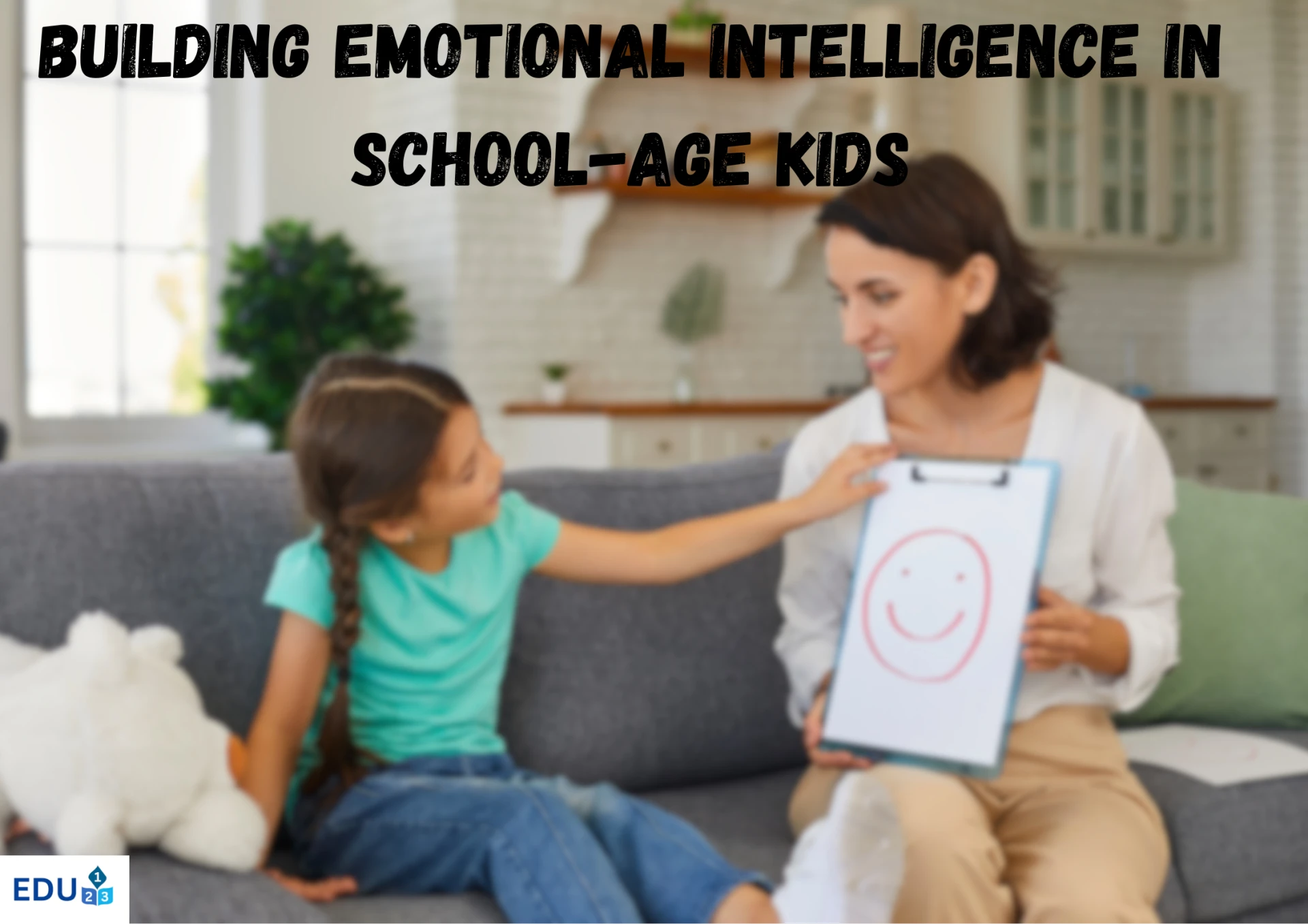
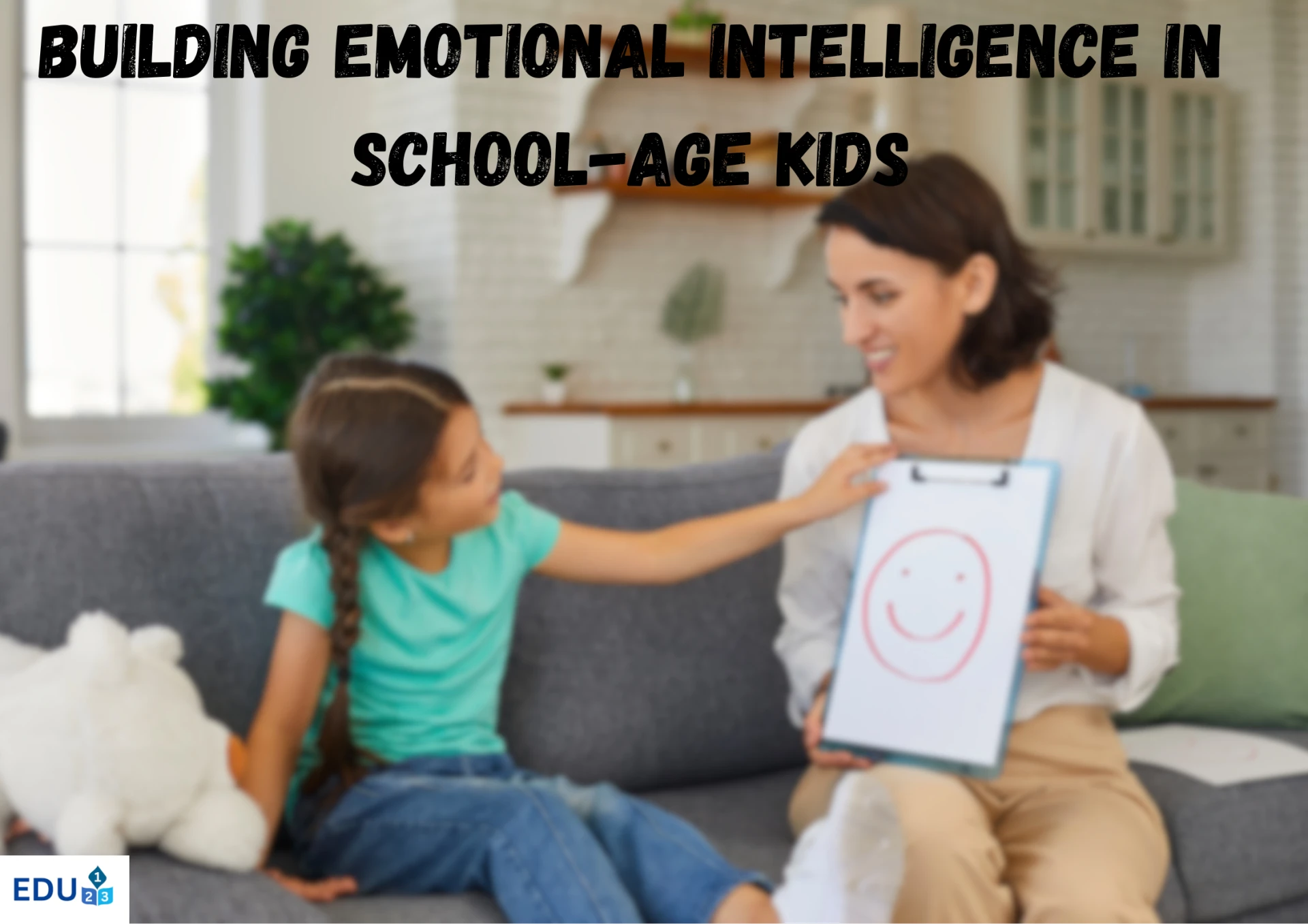
- Label Emotions: Teach children to identify and name their feelings. This builds self-awareness and helps them express themselves constructively.
- Encourage Empathy: Ask questions like, “How do you think your friend felt?” to develop a child’s ability to consider others’ perspectives.
- Create a Safe Emotional Space: Allow kids to share their feelings without judgment. Safety builds trust and confidence.
- Use Storytelling and Role-Play: Books and role-play scenarios are great tools for exploring emotions and practicing responses.
- Set Realistic Goals and Celebrate Efforts: Motivation and confidence grow when children set and achieve emotional and social goals.
How Boarding Schools Are Leading the Way
Many boarding schools have taken progressive steps in creating emotionally enriching environments. These include:
- Wellness centers and mental health counselors on campus.
- Mindfulness and meditation sessions.
- Life skills classes focused on empathy and collaboration.
- Diverse peer group interactions that nurture tolerance and understanding.
Such initiatives not only boost emotional intelligence but also contribute to a child’s all-round development making them more adaptable and emotionally resilient adults.
A Balanced Approach to Education
Building emotional intelligence in school-age children is not a luxury it’s a necessity. As the educational landscape shifts to embrace holistic development, the focus on emotional well-being becomes more pronounced.
Parents, teachers, and institutions like boarding schools play a critical role in laying the foundation for emotionally intelligent, socially responsible, and mentally strong individuals.