Communication is a fundamental skill that allows individuals to express their thoughts, emotions, and needs. For children with communication challenges, especially those receiving Applied Behavior Analysis (ABA) therapy, building these skills is crucial for fostering independence and meaningful interactions. ABA therapy provides structured and evidence-based techniques that help children develop verbal and non-verbal communication, leading to improved social interactions and overall quality of life.
Understanding Communication Challenges
Children who require ABA therapy often experience difficulties with expressive and receptive language. Some may struggle to form words, while others may have trouble understanding what is being communicated to them. Challenges can include:
- Limited or no verbal speech
- Difficulty understanding language and social cues
- Reliance on non-verbal communication (gestures, pointing, or leading someone to an object)
- Echolalia (repeating words or phrases without meaning)
- Struggles with maintaining conversations
These challenges can create frustration for both the child and their caregivers. ABA therapy focuses on breaking down these barriers by teaching communication strategies tailored to the child's needs.
How ABA Therapy Supports Communication Development
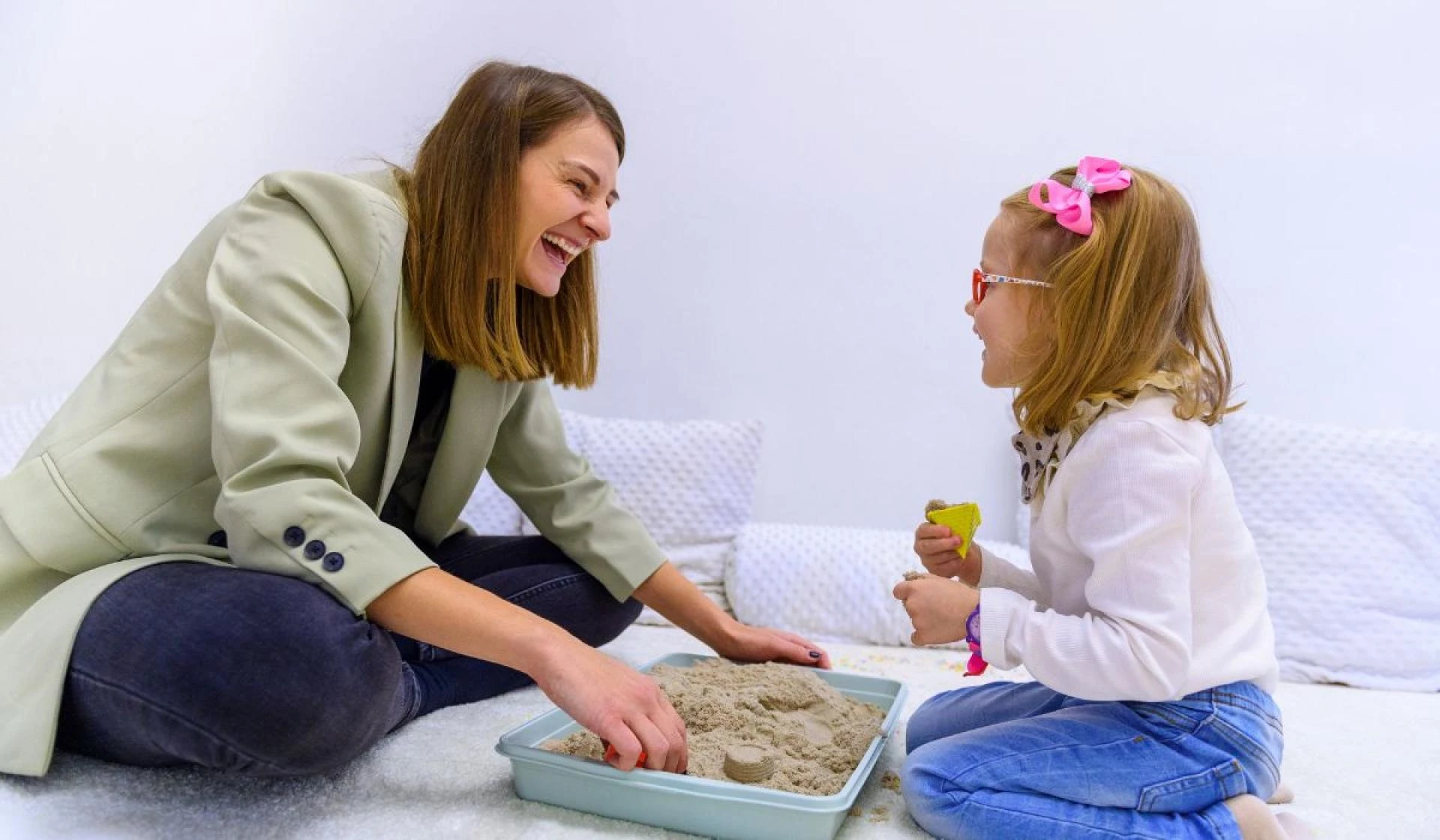
ABA therapy is a research-based approach that helps children learn and strengthen essential communication skills through structured teaching methods. It emphasizes reinforcement, repetition, and individualized strategies to foster effective communication.
1. Functional Communication Training (FCT)
Functional Communication Training (FCT) is one of the most effective ABA techniques for helping children replace problematic behaviors with appropriate communication. Instead of using challenging behaviors to express frustration or needs, children are taught alternative communication methods, such as using words, gestures, or assistive communication devices.
For example, if a child typically screams when they want a toy, ABA therapists work to replace that behavior with a simple request, such as saying “toy” or using a picture symbol. Over time, the child learns that communication is a more effective way to get their needs met.
2. Verbal Behavior Therapy (VBT)
Verbal Behavior Therapy (VBT) focuses on teaching children the purpose of words and how they can be used functionally. This technique breaks communication into different categories, such as:
- Mands – Requests for desired items or actions (e.g., “I want juice.”)
- Tacts – Labeling objects, people, or actions (e.g., “That is a dog.”)
- Echoics – Imitating sounds and words to develop speech
- Intraverbals – Responding to questions and engaging in conversations
By systematically reinforcing each type of communication, VBT helps children develop a well-rounded ability to express themselves.
3. Picture Exchange Communication System (PECS)
For children who are non-verbal or struggle with spoken language, the Picture Exchange Communication System (PECS) provides an alternative method for communication. PECS uses a series of pictures or symbols that children can use to express their needs and desires.
The process starts with teaching children to exchange a picture for a desired item (e.g., handing a picture of an apple to request an apple). As they progress, they learn to form simple sentences and eventually engage in back-and-forth communication. PECS has been highly successful in helping children develop a foundation for communication.
4. Teaching Communication Through Play
Play is a natural way for children to learn, and ABA therapy incorporates play-based activities to encourage communication. Activities such as role-playing, interactive games, and pretend play help children practice conversations, turn-taking, and expressive language skills.
For example, during a tea party game, a therapist might encourage a child to ask for items, label objects, and respond to questions, making learning feel engaging and fun.
The Role of Reinforcement in Building Communication
A key principle of ABA therapy is reinforcement. When a child successfully uses communication, they receive positive reinforcement to encourage repetition. Reinforcement can be:
- Verbal Praise – “Great job saying ‘water’!”
- Tangible Rewards – Earning a preferred toy or treat
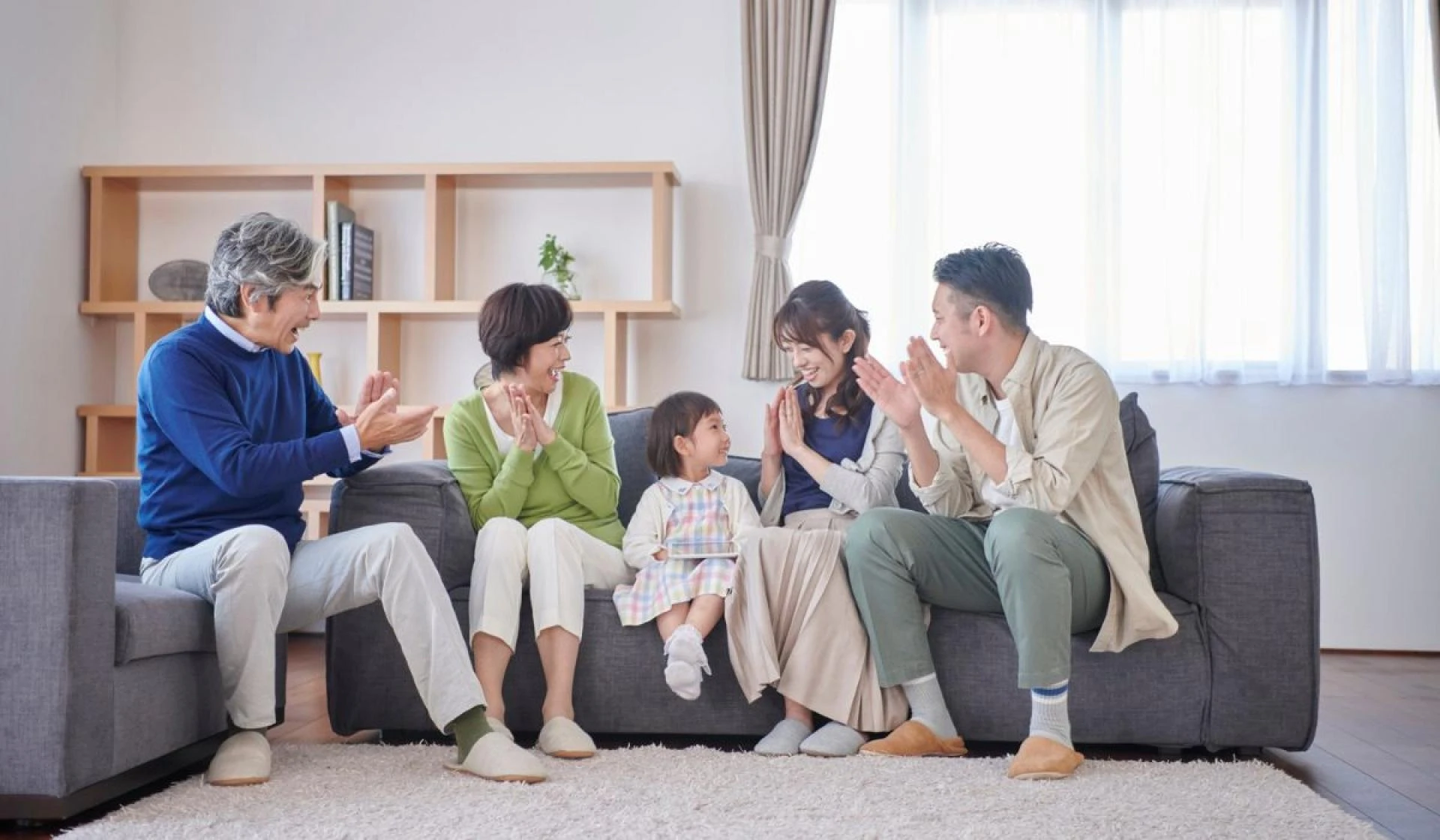
- Social Reinforcement – High-fives, hugs, or smiles
By consistently rewarding attempts at communication, children become more motivated to use their words or alternative communication methods.
Improving Social Communication Skills
Beyond basic requests and labeling, ABA therapy also focuses on social communication, which includes skills such as:
- Initiating conversations
- Responding to greetings and questions
- Making eye contact and using appropriate facial expressions
- Understanding body language and non-verbal cues
- Taking turns in conversations
Social skills groups, peer interactions, and structured activities help children practice these skills in real-world settings. ABA therapists create opportunities for children to engage with others, reinforcing positive social behaviors.
Parental Involvement in Communication Development
Parents play a vital role in their child’s communication progress. ABA therapy encourages active parental involvement by providing strategies to reinforce communication skills at home. Parents can:
- Use simple, clear language to encourage verbal expression
- Model correct communication behaviors
- Provide opportunities for requesting and labeling objects
- Reinforce positive communication attempts with praise and rewards
- Engage in daily conversation and interactive activities
Consistent reinforcement at home ensures that the communication skills learned in therapy are carried over into daily life.
The Impact of Improved Communication
As children develop stronger communication skills, they gain confidence and independence. Being able to express their thoughts and needs reduces frustration, enhances relationships, and allows them to engage more fully with the world around them.
Benefits of ABA-Based Communication Training:
✅ Greater independence in expressing needs
✅ Improved relationships with family, teachers, and peers
✅ Enhanced social interactions and friendships
✅ Reduced frustration and behavioral challenges
✅ Increased opportunities for learning and academic success
Looking for ABA therapy services in Atlanta, GA? We provide personalized, evidence-based therapy to help children build communication, social, and daily living skills. Contact us today to learn more!
Conclusion
Building communication skills is a critical component of ABA therapy, helping children express themselves effectively and engage in meaningful interactions. Through techniques such as Functional Communication Training, Verbal Behavior Therapy, PECS, and play-based learning, children develop essential language skills that improve their overall quality of life.
By reinforcing communication both in therapy and at home, caregivers and ABA professionals can support children in their journey toward greater independence and connection with the world around them.