
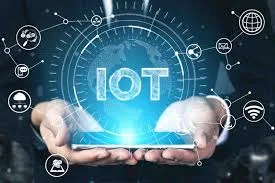
The Internet of Things is no longer a futuristic concept for tech enthusiasts; it is a fundamental tool for modern business. Companies across the globe are using connected sensors to monitor supply chains, manage energy consumption, and predict equipment failure before it happens. However, moving from a single smart device to a fleet of thousands requires a sophisticated partner who understands the bigger picture. Choosing the right IoT solution provider is the first step in turning raw data into actionable business intelligence that can transform your entire operational model.
Moving Beyond the Pilot Phase
Many companies start their IoT journey with a small proof-of-concept. The real challenge arises when it’s time to scale that pilot to an entire factory or a global logistics network. This is where enterprise IoT solutions become necessary. You need a system that can handle massive data throughput, ensure encrypted communication across all nodes, and integrate seamlessly with your existing ERP or CRM software. Scaling requires a holistic view of the technology stack, from the physical sensor to the cloud-based dashboard, ensuring that the system grows as your business needs expand.
The Power of Predictive Maintenance and Efficiency
One of the most immediate returns on investment for connected technology is in the realm of maintenance. Instead of repairing machines on a fixed schedule, sensors can monitor vibration, temperature, and usage in real time. Through comprehensive IoT solutions and services, businesses can predict exactly when a part is likely to fail. This shift from reactive to proactive maintenance saves millions in downtime and extends the lifespan of expensive industrial assets. Beyond maintenance, these systems can optimise energy usage, reducing utility costs and helping organisations meet their sustainability goals through smarter resource management.
Securing the Connected Enterprise
Every new device added to a network is a potential entry point for a cyberattack. For a large corporation, the risk is substantial and can involve the theft of proprietary data or the disruption of physical production lines. A professional approach to IoT involves multi-layered security, including device authentication, end-to-end encryption, and regular over-the-air (OTA) updates. It is not just about getting the devices to talk to each other; it is about ensuring that the network is fortified against evolving threats, protecting both the physical and digital assets of the company.
Data as the New Competitive Edge
At its core, IoT is a data play. The companies that succeed are those that can take the billions of data points generated by their sensors and find the meaningful patterns within them. This might lead to more efficient routing for a delivery fleet, a 10% reduction in a warehouse’s energy bill, or a completely new understanding of how customers interact with a physical product. By integrating smart solutions into the fabric of the organisation, business leaders gain a level of visibility into their operations that was previously impossible, allowing for faster and more accurate decision-making based on facts rather than intuition.
Improving the Customer Experience
While much of the focus on IoT is internal, the technology has a massive impact on the end user. From smart appliances that offer remote diagnostics to retail environments that personalise offers based on foot traffic, connectivity creates a more responsive and tailored experience. For businesses, this means higher customer satisfaction and the ability to offer value-added services that competitors cannot match. By leveraging a connected ecosystem, companies can stay closer to their customers, understanding their needs in real time and adjusting their offerings to provide maximum value.
FAQs
- How do we integrate IoT data with our existing software? Ans: Modern platforms use APIs to push data directly into your current business tools, ensuring that your team doesn't have to learn a completely new system to see the results.
- What is the typical timeline for an enterprise rollout? Ans: A pilot can be ready in weeks, but a full-scale enterprise deployment usually takes several months to ensure all security and integration points are fully tested and functional.
- Do we need to replace all our old equipment? Ans: Not necessarily. Many older machines can be retrofitted with external sensors and gateways to bring them into the connected ecosystem without the cost of a full equipment upgrade.