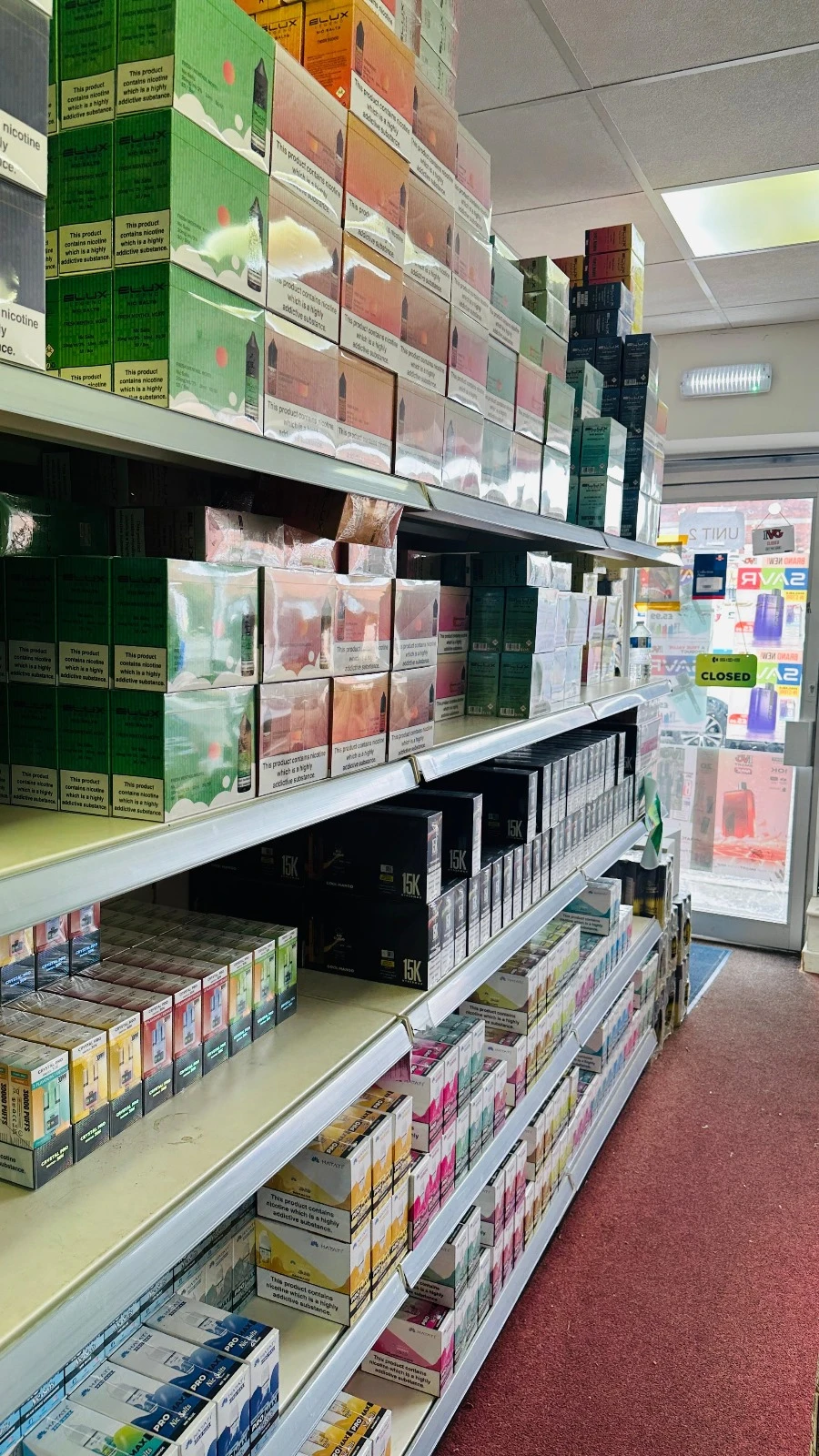
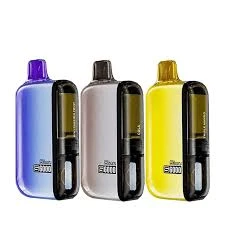
In the dynamic world of vaping, one thing is clear: consumers aren’t just buying products—they’re buying experiences and identity. From first-time users transitioning off cigarettes to long-time vapers chasing bigger clouds and flavors, vape users are loyal, informed, and community-driven. That’s why vape kits wholesale —especially when sourced through wholesale channels—represent more than just inventory. They’re the foundation of a powerful, scalable vape brand.
Whether you're starting a new online vape shop, launching a boutique vape brand, or expanding your existing smoke shop's offerings, this guide will walk you through how to build a successful brand through vape kit wholesale—step by step.
Why Vape Kits Are the Backbone of Brand Building
Vape kits aren’t just products—they’re user gateways. A customer’s first experience with a vape kit often defines how they perceive a brand. If it works well, delivers great flavor, and is easy to use, they’re likely to stay loyal. That’s why, as a brand, the first vape kit you sell someone is one of your most valuable transactions.
Key Benefits of Centering Your Brand Around Vape Kits:
- Recurring sales: Kits drive repeat business through coil, pod, and e-liquid purchases.
- Higher perceived value: Compared to single-use disposables, kits feel more premium.
- Longer product life cycle: Kits last weeks or months, keeping your brand top-of-mind.
- Brand visibility: Your logo and packaging stay in the user’s hands for extended periods.
Step 1: Define Your Brand Identity Around the Vape Experience
Before you choose what to sell, define what you stand for. In 2025, vape consumers gravitate toward brands that resonate with their lifestyle, values, or vaping goals.
Decide on your niche or identity:
- Beginner-friendly brand – Focused on simplicity, transition from smoking.
- Cloud-chasing performance brand – High-wattage mods and sub-ohm gear.
- Luxury lifestyle brand – Elegant design, high-end materials, premium feel.
- Eco-conscious brand – Sustainable devices, recyclable packaging.
- Health-first minimalist brand – Clean design, fewer features, less nicotine.
Once you know who you’re targeting, every element of your business—your kits, your packaging, your marketing—can align with that mission.
Step 2: Source the Right Vape Kits Through Wholesale Channels
With your brand identity in place, you need devices that reflect your values. Wholesale vape kits give you the flexibility to source premium devices, white-label existing models, or even create proprietary kits under your name.
Your options include:
A. Brand-Name Wholesale
Buy well-known kits like SMOK Nord, Uwell Caliburn, or Voopoo Argus at wholesale prices and resell under their branding.
Pros: Instant credibility, known performance
Cons: Lower margins, less differentiation
B. White-Labeling or OEM (Original Equipment Manufacturing)
Buy vape kits manufactured by top Chinese OEM factories and brand them with your own logo and packaging.
Pros: Full branding control, higher margins, exclusivity
Cons: Higher MOQs (minimum order quantities), more logistics and design work
C. Custom Kits and Bundles
Buy basic kits and bundle them with custom e-liquids, coils, or accessories to create a unique product set.
Pros: Simple branding, enhanced user value
Cons: More inventory components to manage
Step 3: Design Branding That Resonates and Converts
Now that you have vape kits, you need to turn them into branded products that customers recognize and trust.
Key Branding Elements:
- Logo: Clean, modern, and scalable for small devices and packaging.
- Packaging: Durable, premium feel, with compliance info clearly displayed.
- Insert Cards: Quick-start guides, safety warnings, and welcome messages.
- Colors & Themes: Match your brand voice—fun and vibrant, sleek and dark, or minimalist and clean.
- Typography & Icons: Easy to read and aligned with your audience’s aesthetic.
Customers often associate product design with performance. A well-branded kit feels more trustworthy, even if the hardware is identical to a competitor’s.
Step 4: Build a Killer Online Store
Your vape kits are ready, your brand looks sharp. Now it's time to build a storefront that converts.
Whether you’re using Shopify, WooCommerce, BigCommerce, or a custom-built site, your e-commerce experience must be:
- Fast-loading
- Mobile-friendly
- SEO-optimized
- Compliant with age-gating laws
Must-have Features:
- Product filtering (Beginner, Salt Nic, DTL, MTL)
- Detailed vape kit pages with specs, use cases, and compatibility info
- Customer reviews & UGC (User-Generated Content)
- Clear shipping & return policies
- Email capture forms for newsletters and abandoned cart campaigns
Pro Tip: Include a “Starter Kit Finder” quiz that recommends the right product based on experience level, nicotine preference, and budget.
Step 5: Build Your Content and SEO Strategy Around Vape Kits
Search engines remain one of the top traffic drivers for vape e-commerce. Vape kits are often searched in combinations like:
- “Best vape kits for beginners 2025”
- “Vaporesso XROS 4 review”
- “Buy refillable pod systems USA”
Your brand should own these searches.
Content Ideas:
- Product comparisons: “SMOK Nord 5 vs Voopoo Vinci 3”
- Guides: “How to clean and maintain your vape kit”
- Videos: “Unboxing our best-selling pod system”
- FAQs: “What’s the difference between MTL and DTL kits?”
SEO Tips:
- Use long-tail keywords
- Optimize image alt text
- Write meta descriptions with clear calls to action
- Keep URLs short and keyword-rich
A consistent, targeted content strategy builds authority, trust, and organic traffic over time.
Step 6: Market Your Vape Kits Strategically
Marketing vape products comes with its own set of restrictions, especially on mainstream platforms. That said, there are powerful, compliant ways to build awareness and drive sales:
1. Email Marketing
Still one of the most effective ways to drive repeat purchases.
- Use flows: Welcome series, abandoned cart, reorder reminders
- Segment by buyer behavior (e.g., starter kit vs advanced mod buyers)
- Offer exclusive drops, preorders, and restocks
2. Influencer Marketing
Find vape YouTubers, Instagram reviewers, and TikTok creators who fit your brand vibe.
- Send them kits to unbox and review
- Offer affiliate links or discount codes
3. Affiliate Programs
Set up affiliate commissions for vape reviewers, lifestyle bloggers, and niche influencers who drive traffic to your store.
4. Reddit & Niche Forums
Vaping communities on Reddit (e.g., r/electronic_cigarette) and forums are packed with potential customers. Participate authentically and share your content when appropriate.
5. Referral Programs
Turn your existing customers into ambassadors. Offer a small incentive when they refer friends who buy their first vape kit.
Step 7: Scale Smart with Wholesale Reorders and Inventory Planning
Once your vape kits are moving, you’ll need to streamline your backend for scale.
Best Practices:
- Use inventory management tools like Orderhive or Cin7
- Track sell-through rates: Know how long your inventory sits before moving
- Place reorders in advance, factoring in 2–4 weeks for overseas suppliers
- Forecast based on seasonality (e.g., Q4 holiday spikes) and promotions
You should also consider wholesale diversification—offering your branded vape kits to other retailers or distributors. This expands your reach without increasing your retail marketing spend.
Step 8: Expand Your Ecosystem: Coils, Liquids, and Accessories
Selling vape kits alone is a great start—but the real long-term profit is in the ecosystem. Every vape kit user needs:
- Coils or pods (every 1–2 weeks)
- E-liquid refills
- Carry cases or lanyards
- Replacement batteries or chargers
Ideas to Increase AOV (Average Order Value):
- Bundle kits with juice + coil pack
- Upsell with accessories at checkout
- Offer subscription refills for pods or coils
By integrating these into your customer’s journey, you’re building a high-LTV (Lifetime Value) brand, not just a product shop.
Common Pitfalls to Avoid
❌ Buying the Wrong Kits
If you buy wholesale kits that are outdated, overpriced, or incompatible with current trends (e.g., outdated micro-USB charging), you’ll be stuck with dead stock.
❌ Skipping Compliance
Selling non-TPD or non-PMTA kits in the wrong markets can lead to fines or closures. Always verify certifications.
❌ Poor Customer Education
If customers don’t understand how your kits work, they’ll leave bad reviews. Use manuals, videos, and guides to minimize