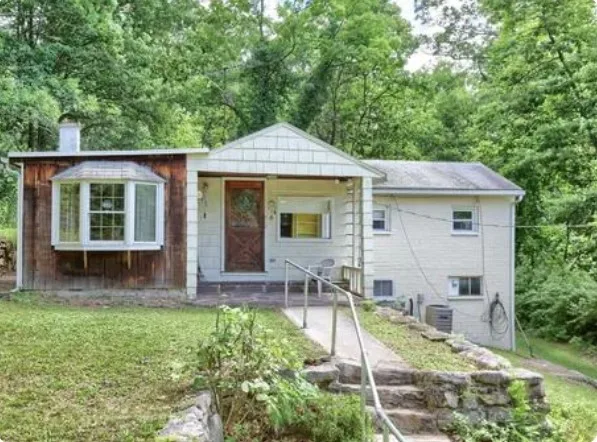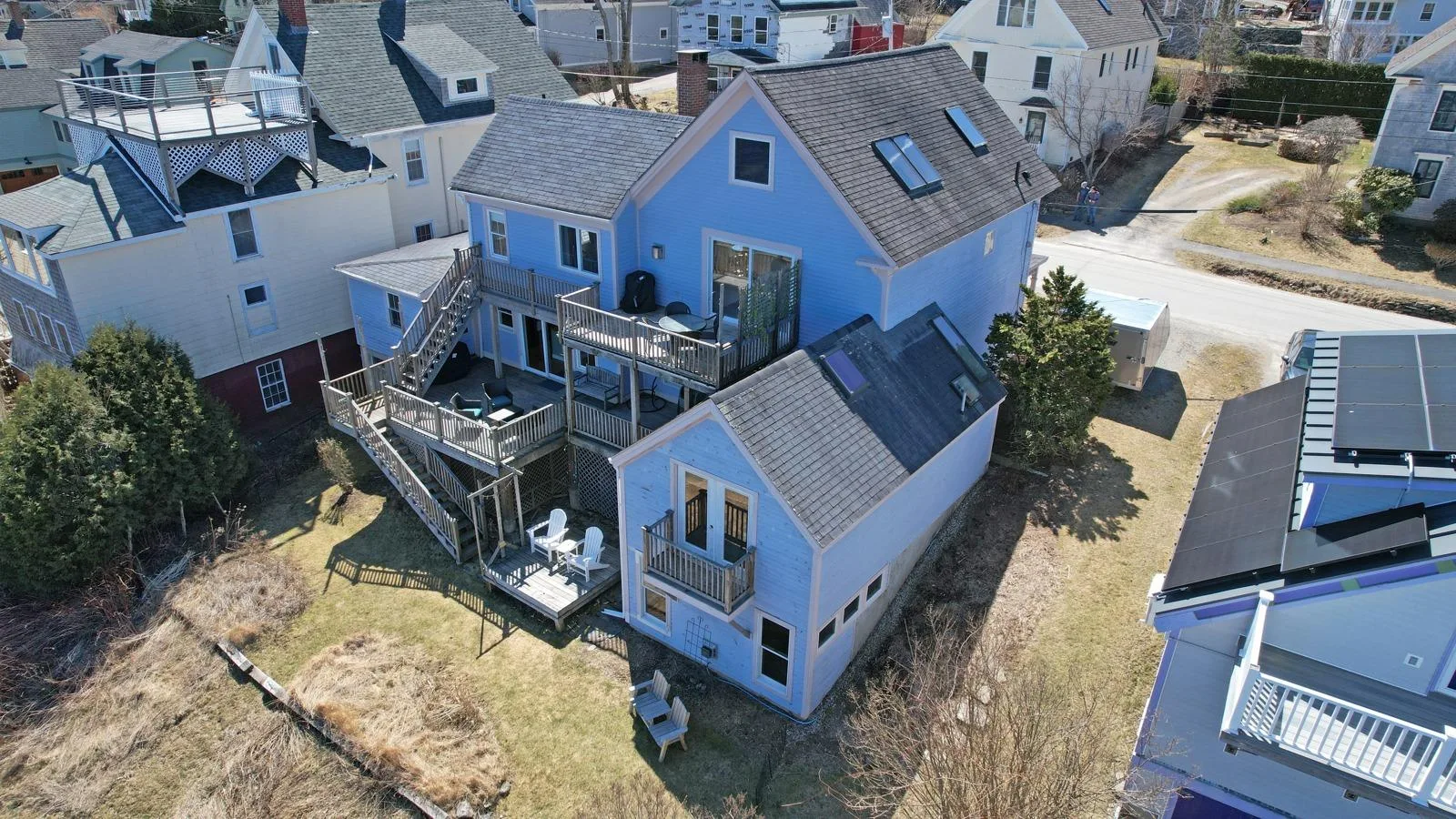
For a long time, the Hobart property story was told in a single sentence: sandstone cottages, hillside villas, and the odd weatherboard on a quarter‑acre block. That picture is quietly but fundamentally changing. Walk through the city today, past the heritage facades and the glittering Derwent River, and you’ll notice something new. Cranes on the skyline. Modern buildings rising. A city that has always been about its natural beauty is now building a different kind of attraction: thoughtfully designed, brand‑new apartment communities where people genuinely want to put down roots.
This is not about stacking dwellings for the sake of it. It’s about creating real homes, right where the action is.
The Numbers Behind the Need
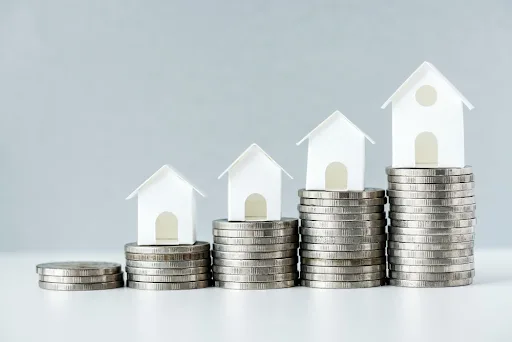
Hobart’s housing shortage is not a secret. The city recorded a rental vacancy rate of just 0.4 per cent in early 2026, making it the tightest market in the country. Across the capital, total stock on the market was down about 30 per cent over the past year. This chronic undersupply has profound human impacts—workforce constraints, family stress, and young people struggling to find a foothold.
The response, however, has been gathering momentum. Hobart will see approximately $1.8 million of new projects commencing construction in 2026, including 86 new units and apartments. But as the City of Hobart’s Lord Mayor Anna Reynolds points out, “Right now, the issue isn’t planning approvals—it’s getting projects out of the ground and built”.
A Landmark Incentive to Unlock the Pipeline
In April 2026, the City of Hobart launched the Inner City Housing Supply Incentive Policy, a practical, targeted initiative designed to turn approved projects into actual homes. Around 900 dwellings already have planning approval but have yet to move beyond the drawing board.
The policy focuses on multi‑dwelling developments of five or more homes, as well as conversions of upper floors of existing buildings into residential use, across central Hobart, North Hobart, and the waterfront. Eligible projects can receive a five‑year, 100 per cent rates remission along with reimbursement of development application fees.
Property Council of Australia Tasmania Executive Director Michael Kerschbaum notes that incentives of this kind can make a meaningful difference, especially given the sharp rise in construction costs. “It helps to balance things out and helps with cash flow,” he explains. Lord Mayor Reynolds adds that the goal is to “get more homes built where people want to live—close to jobs, services and public transport”.
Major Projects Reshaping the Skyline
The new policy is already complementing a pipeline of significant apartment developments.
One of the most anticipated is Macquarie Point, a precinct‑wide urban renewal project that has taken a major step forward with the acceptance of its Master Plan and Housing Plan by both the Tasmanian and Australian governments. The plan sets out a vision for a mixed‑use precinct that will bring together sports, entertainment, hospitality, and accommodation, alongside a residential foreshore development at Regatta Point.
Crucially, the housing component will include a portion dedicated to affordable, essential‑worker, or social housing. Treasurer Eric Abetz describes the precinct as “a brand new community precinct for the whole state,” while the Federal Government notes it will create new housing, improve transport links, and upgrade the wharves.
Further north, the redevelopment of the former WIN Television site in New Town has received the green light. This $35 million project will transform a long‑vacant, highly visible site into a productive mixed‑use precinct, delivering new housing, jobs, and local economic activity. HIA Executive Director Tasmania Benjamin Price calls it “exactly the kind of housing project Hobart needs… turning a vacant, derelict site into something that delivers real value for the community”.
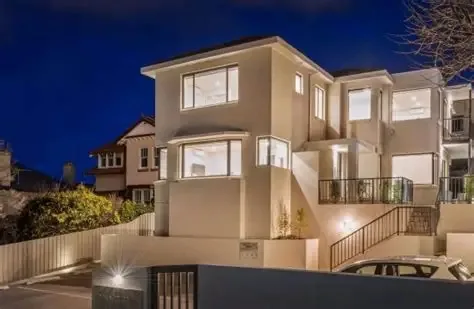
In the city fringe, the Sixty Six complex at 66 Burnett Street in North Hobart offers light‑filled, contemporary apartments with leafy views overlooking the historic homes of the precinct. And at 1 Queens Walk in New Town, a 65‑residence development reached completion in 2026, adding significant new stock to a well‑serviced corridor.
The Human Side of New Apartments
Beyond the infrastructure and the approvals, what stands out in Hobart’s new apartment wave is the design approach. Modern residences are being built with genuine liveability in mind. Tasmanian oak flooring, hydronic heating, and double‑glazed windows are becoming standard features, creating homes that are warm, quiet, and energy‑efficient year‑round. Generous open‑plan living areas flow onto full‑width balconies, making the most of the city’s natural light and river views.
This is apartment living designed for how people actually live—not as an afterthought, but as the main event.
A Lifestyle Without Compare
Yet for all the data and development, the true appeal of Hobart lies in the life it makes possible. The city offers a unique blend of natural beauty, cultural richness, and community warmth. The thriving arts scene, the mountain at your doorstep, the harbour at your feet—these are not slogans; they are everyday realities.
Hotspotting’s Growth Leaders 2026 report identified Hobart as one of Australia’s top three growth leaders for the year, noting that after a pause, the city is “on the cusp of another up cycle”. The appeal, the report says, includes having some of the most affordable real estate among capital cities, combined with a quality of life that few places can match.
A City Building for Everyone
From the landmark incentive unlocking approved projects to the transformative scale of Macquarie Point, from the urban renewal of New Town to the quiet elegance of North Hobart’s newest addresses, Hobart is building a future where everyone has a place to call home.
Whether you are a first‑home buyer taking your first step, a professional drawn to a revitalised city centre, or someone seeking a simpler, more connected way of life, Hobart’s new apartment communities are ready to welcome you. The cranes on the skyline are not just building apartments—they are building a city worthy of its remarkable setting.