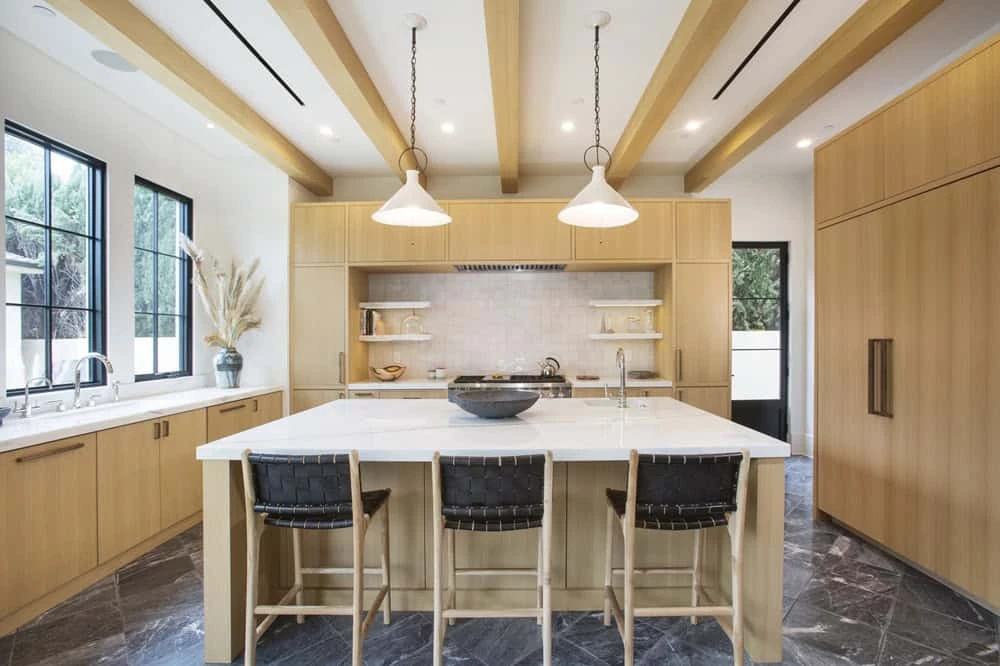
In every home, the kitchen is more than just a space for preparing meals—it’s a hub of warmth, connection, and creativity. It’s where morning coffees are brewed, holiday meals are crafted, and family stories are shared. As the central gathering place, the kitchen deserves to reflect your lifestyle and design preferences. This is where kitchen remodeling comes into play, not only revitalizing the space but also increasing your home’s value and efficiency.
If you’ve ever looked around your kitchen and felt it lacked charm, functionality, or modern appeal, it might be time to consider a renovation. Whether you're looking for a full-scale overhaul or subtle upgrades, this guide will walk you through the most critical aspects of a successful kitchen remodel.
Why Remodel Your Kitchen?
There are several compelling reasons homeowners choose to remodel their kitchens. Sometimes, it’s out of necessity—old plumbing, deteriorating cabinets, or outdated appliances. In other cases, it's for aesthetics, resale value, or to better suit changing needs such as growing families or culinary hobbies.
Kitchen remodeling projects offer a high return on investment, often yielding more than 70% of the cost in added home value. Moreover, the personal satisfaction of having a custom, stylish, and highly functional space can significantly improve your day-to-day living experience.
Planning Is Key: Design with Purpose
Before swinging a sledgehammer, the most important step is meticulous planning. Think about how you use your kitchen now and what features would make your routine smoother. Do you need more storage? A bigger refrigerator? Improved lighting?
Start by outlining your goals and setting a realistic budget. This will help you make strategic decisions when choosing materials, layouts, and appliances. If you’re not sure where to begin, consider hiring a kitchen designer or contractor to help create a practical and visually appealing blueprint.
Smart Layouts for Maximum Functionality
A well-designed layout is at the heart of any successful kitchen remodel. Consider the "kitchen work triangle"—the distance between the sink, stove, and refrigerator. This concept has been a fundamental principle in kitchen design because it minimizes movement and increases efficiency.
Depending on your available space, you might choose one of the following popular kitchen layouts:
- L-shaped: Great for open floor plans, offering ample counter space.
- Galley: Ideal for smaller kitchens with two parallel walls.
- U-shaped: Provides generous storage and prep areas, surrounding the cook.
- Island: Adds versatility, storage, and a central gathering point.
Materials Matter: Choosing the Right Surfaces
When it comes to materials, you want to strike a balance between durability, aesthetics, and budget. Here are some essential components to focus on:
- Countertops: Granite, quartz, and butcher block are durable and stylish choices. Quartz, in particular, is non-porous and low-maintenance.
- Cabinetry: Custom cabinets offer the best fit and design flexibility, but semi-custom or stock options can also be tailored with hardware and finishes.
- Flooring: Consider tile, luxury vinyl, or hardwood, depending on your taste and lifestyle.
- Backsplash: A backsplash is both functional and decorative. Subway tiles, mosaics, or even metallic accents can elevate your kitchen's look.
Lighting: The Unsung Hero of Kitchen Design
Lighting plays a crucial role in setting the mood and functionality of your kitchen. Layered lighting is a common approach, incorporating ambient, task, and accent lighting.
- Ambient lighting: Typically ceiling-mounted, provides general illumination.
- Task lighting: Under-cabinet lights or pendant lamps that brighten up work areas.
- Accent lighting: Decorative fixtures that highlight architectural details or artwork.
Dimmable options allow you to adapt the lighting to different occasions, from prepping dinner to hosting a cocktail party.
Storage Solutions That Make Life Easier
Cluttered countertops can make even the most beautiful kitchen feel chaotic. Innovative storage solutions can enhance functionality while maintaining a sleek design:
- Pull-out pantry shelves
- Corner carousels
- Deep drawers for pots and pans
- Hidden trash and recycling compartments
Adding a kitchen island or extending upper cabinets to the ceiling can provide valuable extra storage without expanding your square footage.
Appliances: Investing in Efficiency and Style
Modern appliances not only improve efficiency but also reduce energy consumption. Consider stainless steel or matte black finishes for a contemporary look. Look for Energy Star-rated appliances to save on utilities while being environmentally conscious.
Smart appliances—like ovens you can control via smartphone or refrigerators with touchscreens—can make your kitchen more intuitive and user-friendly.
Color Schemes and Style Choices
Color can dramatically transform the ambiance of your kitchen. Neutrals like white, gray, and beige offer timeless appeal, while bold hues like navy blue or forest green add drama and depth. Mixed materials and two-tone cabinets are also gaining popularity.
Don't forget the finishing touches: cabinet handles, faucets, and decorative elements like plants or open shelving can tie the entire look together.
The Remodeling Process: What to Expect
Once you finalize your design and budget, the actual remodeling process begins. A typical kitchen remodel can take 4 to 12 weeks depending on complexity. Expect stages like demolition, plumbing and electrical work, flooring, cabinetry installation, and finishing touches.
Working with reputable contractors and obtaining the necessary permits is crucial for a smooth experience. Stay flexible and prepared for minor delays or unforeseen challenges—they’re often part of the process.
Conclusion: The Heart of the Home Reimagined
A thoughtfully executed kitchen remodeling project can do wonders for your home. Whether you’re cooking a weeknight dinner or hosting a festive gathering, a redesigned kitchen enhances your space's functionality, style, and comfort.
Take your time to plan, prioritize your must-haves, and don't be afraid to infuse your personality into the design. At the end of the day, your kitchen should be a place that inspires you—one meal, one memory, and one remodel at a time.