The Evolution of Femboy Fashion
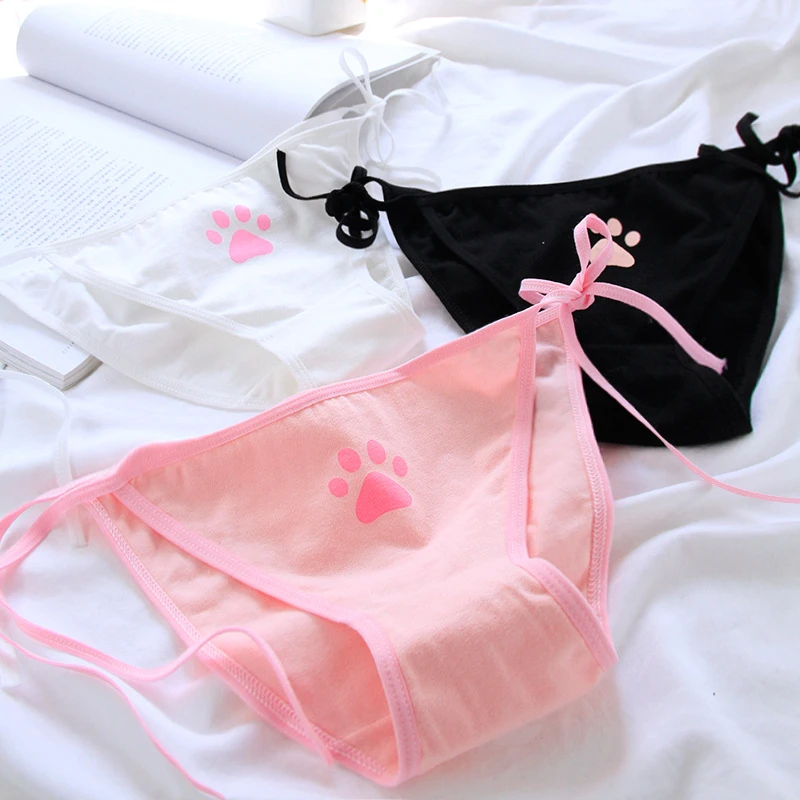
The term "femboy"—a portmanteau of "feminine" and "boy"—originated in online LGBTQ+ communities in the 2010s. Initially a niche identity, it described individuals assigned male at birth who embraced hyper-feminine styles without necessarily identifying as transgender, they wearring femboy clothing. Fast-forward to 2025, and the aesthetic has exploded into mainstream consciousness. Think silk skirts paired with graphic band tees, delicate chokers contrasting with boxy leather jackets—a deliberate clash that dismantles the binary.
Social media has been the catalyst. Platforms like TikTok have turned hashtags like #FemboyRevolution into hubs for tutorials, makeup hacks, and empowerment. Meanwhile, virtual influencers like @PixelPetal (a CGI femboy with 2M followers) prove that digital spaces are erasing boundaries between reality and fantasy.
Why 2025 is a Turning Point
This year, femboy fashion isn’t just trending—it’s reshaping industries. Luxury brands like Gucci and Comme des Garçons have debuted "genderless" collections featuring sheer tunics and tailored kilts marketed to all genders. Pop culture icons are also leading the charge: K-pop star Lee Jihoon stunned fans at Coachella in a cropped corset and cargo pants, while actor Jaden Smith launched a femboy-inspired skincare line.
Data backs the shift. A 2025 Gallup poll revealed that 68% of Gen Z respondents believe clothing should never be gendered. "Young people aren’t just rejecting labels—they’re inventing new languages of self," says sociologist Dr. Amara Chen.
The Cultural Impact
At its core, femboy fashion is a rebellion against toxic masculinity. By embracing softness—lace, pastels, floral patterns—wearers challenge the notion that strength requires roughness. "I used to think crying was weak," says Marcus, a 19-year-old college student from Chicago. "Now, wearing a chiffon shirt makes me feel powerful because it’s vulnerable."
The movement also highlights intersectionality. Black and Latino creators, like Mexican-American designer Luis Vega, are reclaiming femininity in cultures where machismo often dominates. Vega’s brand, Rosa Brutal, merges quinceañera ruffles with punk-rock edge. "This isn’t just fashion," he says. "It’s a middle finger to anyone who thinks my identity has limits."
Backlash and Resilience
Not everyone celebrates this revolution. Conservative groups have labeled femboy fashion "degenerate," while some feminists argue it appropriates womanhood. Yet advocates push back. "Femininity isn’t owned by anyone," says nonbinary model Zuri Mbatha. "When a boy wears a skirt, he’s not stealing—he’s expanding what femininity can be."
Critics also overlook the community’s resilience. After a viral hate campaign targeted TikTok creator @GlitterGoblin, supporters rallied with the hashtag #FemboyArmy, raising $200k for LGBTQ+ shelters. "Hate tried to silence us," GlitterGoblin posted. "But honey, we’re bedazzled armor now."
The Future of Gender Expression
What’s next? Experts predict femboy aesthetics will influence film costuming (Netflix’s Cyberheart already features a femboy hacker protagonist) and even workplace dress codes. Startups like Unbound Apparel are creating adaptive clothing for all body types, while AI tools let users "try on" gender-fluid outfits virtually.
But the true victory lies in everyday acceptance. In Seoul, a government campaign now trains teachers to support students exploring gender-neutral dress. In Brazil, Carnival 2025 saw a record number of femboy-themed floats. As Ren Sato puts it: "We’re not a trend. We’re the first generation that gets to play with gender—and we’re never going back."
Conclusion
Femboy fashion in 2025 isn’t about clothes—it’s about claiming space in a world that once denied it. Every ruffle, chain, and splash of glitter is a manifesto: I exist unapologetically. As barriers between "masculine" and "feminine" dissolve, we inch closer to a future where self-expression isn’t just tolerated but treasured. So the next time you see someone in a lace shirt and combat boots, smile. You’re witnessing history—one stitch at a time.