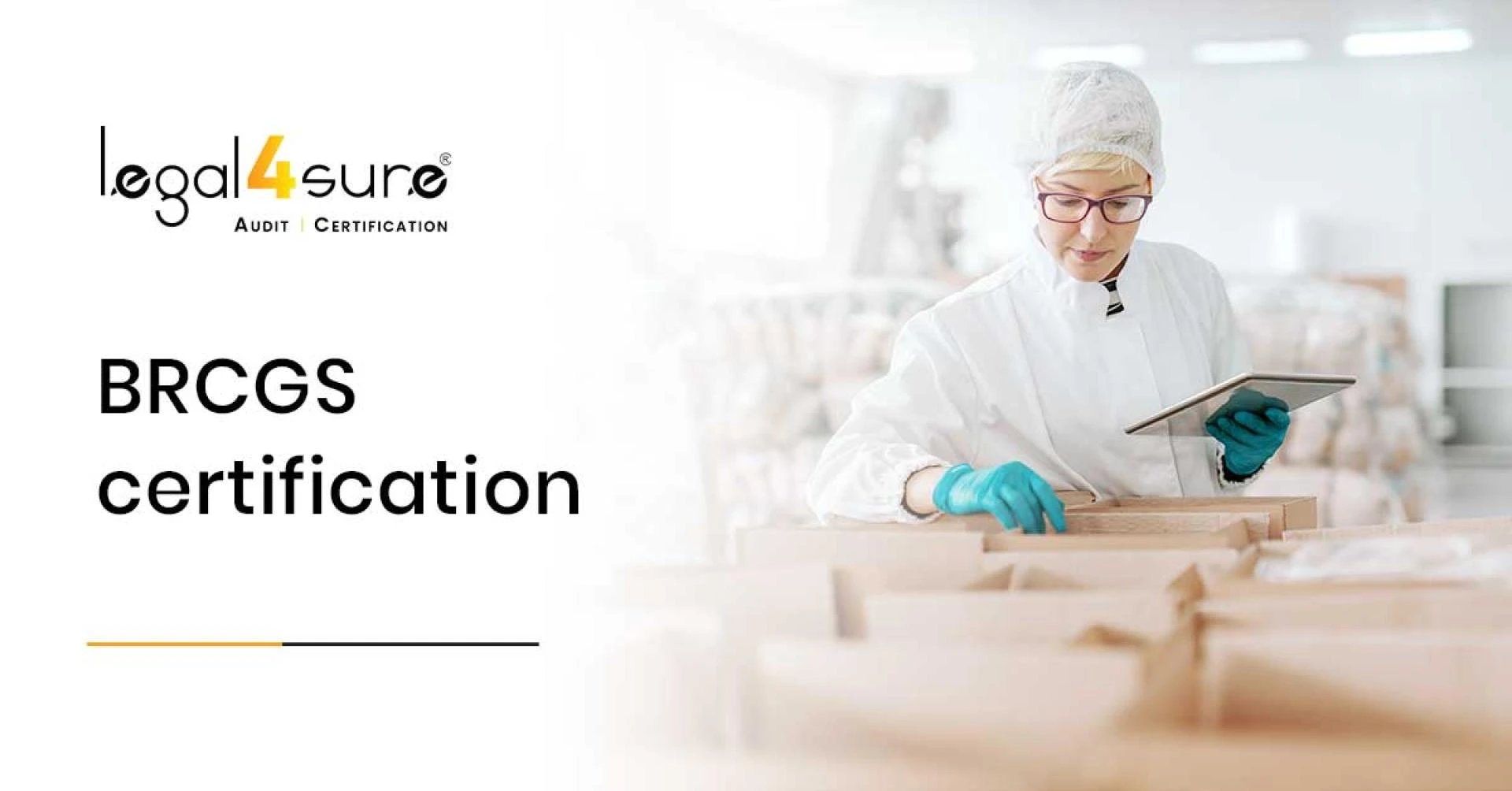
If you're running a food plant and want to partner with big-name buyers, whether local or global, you need more than just licenses and clean uniforms. You need a system that shows your product is safe every single time. That’s where BRC Food Certification comes in.
It's a comprehensive examination of how your factory handles food from beginning to end, not simply another audit. Think about cleanliness, traceability, allergen control, packaging, upkeep, and even how your employees move throughout the structure. If it has an impact on the safety of the product, it is a necessary step.
Indian buyers now demand BRC, not just exporters
Many factories still believe BRC is only for overseas shipments, which was true in the past. Now, Indian supermarket chains, cloud kitchens, and large e-commerce food platforms ask for BRC Food Certification because it reduces risk.
Once you’re certified, buyers know you have:
- Trained staff who follow food safety steps without prompting
- A system that identifies problems before they reach the consumer
- Full tracking from raw material to dispatch
- A plan for what to do if things go wrong
That makes you more trustworthy and easier to onboard.
BRC audits check systems, staff, and daily habits.
When a BRC auditor enters your plant, they don’t start by reading your documents. They observe. They watch how ingredients are stored, if cleaning is happening, what staff do during a spillage, and whether your pest control logs are genuine or just for the audit.
The audit focuses on nine main areas, but what matters is how your team operates, not just what’s in your SOPs. They look for existing systems and whether your people follow them.
Failing a BRC audit damages buyer trust quickly
Some companies cut corners, fail the audit, and think they can just try again next month. That strategy doesn’t work. A failed audit means your name in the BRCGS directory shows non-conformance, which buyers can see.
Many buyers will question why you didn't get it right the first time, even if you address the problems afterward. Come ready if you want to get certified for BRC Food. Treat it as a system update rather than a job requiring paperwork.
Time is the real cost of BRC certification
Let’s talk numbers briefly. The cost of certification varies according to the size and scope of the plant, but the majority of medium-sized food factories in India pay between ₹2.5 lakh and ₹6 lakh, which covers the expenses of consulting, training, and auditing.
However, the real cost is in time.
- Setting up documentation takes weeks.
- Training teams requires hours across shifts.
- Fixing layout or pest entry points needs careful planning.
- Conducting trial internal audits takes effort.
If you rush this in one month, you’ll strain your system. But if you plan it over three to five months with a clear roadmap, your team gets into a rhythm. Then the final audit feels more like a confirmation and less like an inspection.
Certification speaks louder than presentations or promises
You could create a five-page company profile, spend on fancy booths at food expos, and still not earn trust. Or you could get BRC Certified and let that validate your operations. Buyers don't want promises; they want proof. Certification communicates that:
- Your floor is managed to prevent cross-contamination
- Your batch records can be traced
- You handle allergens properly
- You clean based on risk, not convenience
- You’re ready for inspections year-round, not just during audits
This simplifies their decision-making and builds trust, allowing you to get shortlisted faster.
BRC also helps your team communicate more effectively
Once you begin the BRC journey, your internal teams start interacting better. Quality assurance talks to production more frequently. Maintenance understands why a missing bolt can create food safety risks. Your staff becomes more aware of issues before management does. That’s when you know the system is truly working.
Not every plant needs BRC, but most will
Perhaps you can skip it for the time being if you're selling generic bulk products in the local market. However, BRC Certification is required if you intend to conduct business with supermarkets, airlines, restaurant franchises, or export purchasers. You can either wait for the rush into certification, which typically occurs after you lose a customer, or you can seize the initiative and pursue it now.