When you think about stopping, you probably picture the brake pedal, but the real work happens down at the wheels. Brake pads are the parts that generate the friction needed to slow the vehicle when you press the brake pedal.
Even though they aren't very big, they have a huge impact on how quickly you stop and how much control you feel. When they wear out, your car might still stop, but it won't feel as sharp or reliable. Keeping an eye on them is the best way to stay safe and confident on the road.
How Brake Pads Work
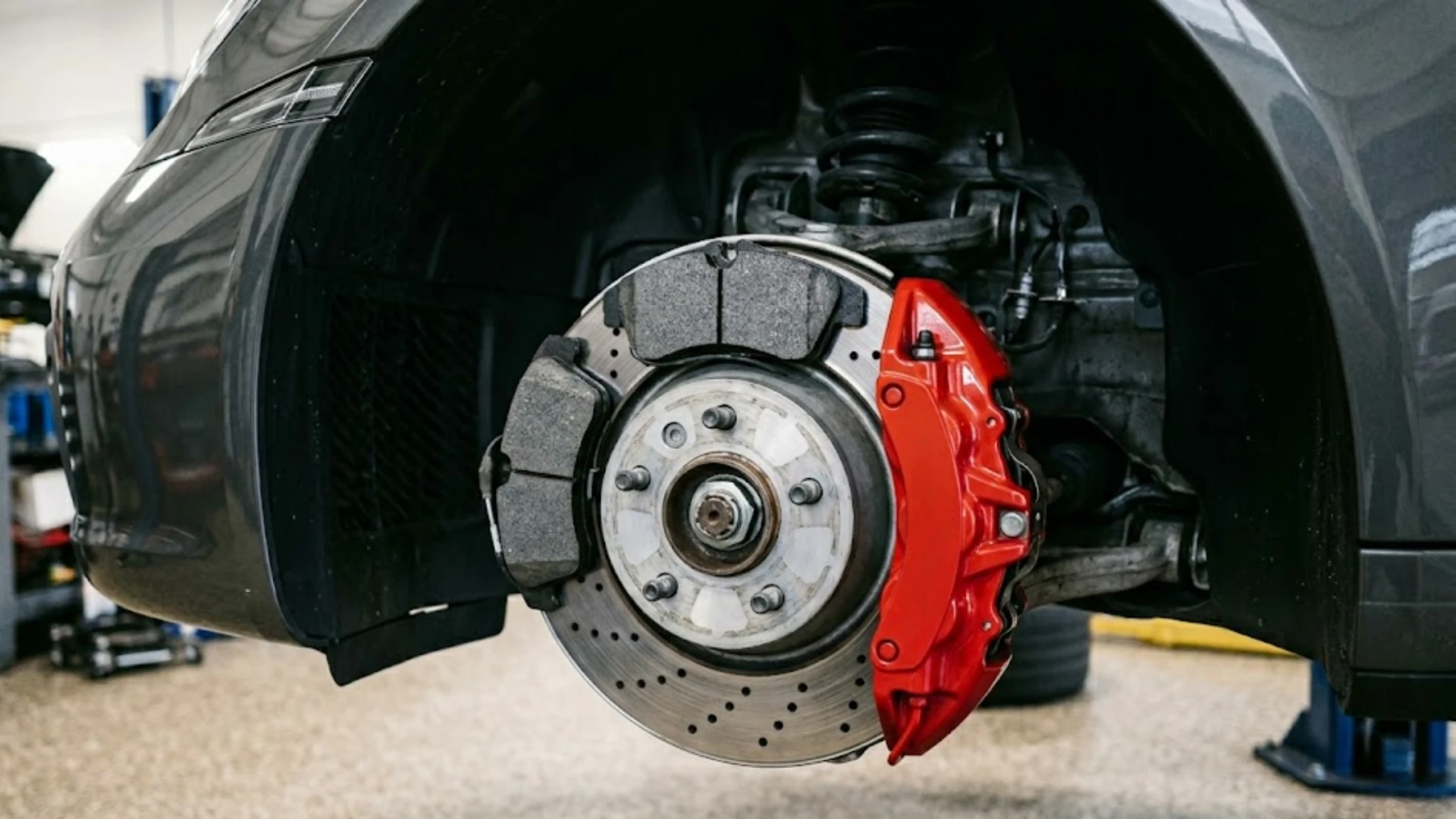
Brake pads sit inside a caliper, which is a clamp. When you hit the brakes, the brake pad presses against the spinning rotor to generate friction. This friction converts your movement into heat, slowing the wheels.
They are actually designed to wear out slowly on purpose. Think of them like a shield: they take all the daily stress and heat so that the more expensive parts of your car don't get damaged.
Because they repeatedly contact the rotor during braking, they naturally wear down over time.
Why Some Pads Wear Out Faster
Not every driver gets the same life out of their brakes. It usually comes down to three things:
- Where you drive: Stop-and-go city driving wears them down quickly, while highway driving usually causes slower wear because braking happens less often.
- Front vs. Back: Front brakes usually work harder and wear out first because the car's weight shifts forward when you stop.
- Heat: Repeated braking and driving down a long hill can make things hot and speed up wear.
Choosing the Right Type
Brake pads are made from different materials depending on what you need:
- Organic: These are soft and quiet. They’re great for everyday driving, but might not last as long if you're tough on your brakes.
- Semi-Metallic: These have metal components to help handle heat and last longer. They are very durable, but can be noisier and leave more dust on your wheels.
- Ceramic: These are often chosen for quieter operation and lower brake dust. They stay quiet, clean, and offer very smooth stopping, though cost a bit more.
The best choice for you really depends on how you drive and what kind of car you have.
Signs Your Brake Pads May Be Wearing Out
Brake pads usually tell you when they are getting old before they become dangerous. A high-pitched squeak is often the first sign. This happens because many pads have a tiny metal part that makes a noise once the friction material gets too thin.
If you hear a grinding sound, that’s much more serious. It means the padding is completely gone, and metal is rubbing against metal. You might also notice:
- It takes you longer to come to a full stop.
- Reduced brake response
- Vibration during braking
- A brake pedal that feels less firm
These signs should not be ignored because worn pads can affect both rotors and overall braking performance.
When Brake Pads Should Be Checked
Brake pad life varies widely, so mileage alone is not always enough to judge replacement timing. Many vehicles need inspection between 25,000 and 50,000 miles, but driving conditions often matter more than fixed numbers.
A regular vehicle brake inspection helps determine actual pad thickness before problems appear. For many drivers, reading a guide on when to inspect, repair, or replace braking components also helps them understand when small issues need attention before they become larger repairs.
How Brake Pads Affect Rotors and Brake Performance
Brake pads and rotors always work together. If brake pads become too thin, they can cause uneven contact with the rotor, damaging the rotor surface.
When the metal discs (rotors) get rough or bumpy, your brakes won't feel smooth anymore, and it might take you longer to stop. You’ll often feel this as a shaking or vibrating in your steering wheel or brake pedal.
Because these parts work together, mechanics usually check the pads and discs together. Replacing worn-out pads early is a smart move it helps avoid a bigger bill for fixing the discs later on.
Why Professional Brake Checks Still Matter
Even if the car feels normal, brake pad wear is difficult to judge without inspection, as it can vary unevenly between wheels. Brake pads wear down slowly, and sometimes one side wears out faster than the other, without you ever noticing.
This is why having a professional look at them is so important. A quick check-up usually covers the four main things:
- Pad Thickness: Checking to see if there is still enough brake wear left to grip and stop the car.
- Rotor Condition: Looking at the metal discs to make sure they aren't cracked, rusty, or bumpy.
- Caliper Movement: Ensuring the clamps that hold the pads can squeeze shut and release smoothly.
- Brake Fluid: Ensure the fluid is clean and at the right level so the brakes feel firm when you press them.
Drivers searching for brake repair near me often discover that early brake inspections help avoid costly repairs later.
Simple Habits That Help Brake Pads Last Longer
The way you drive actually changes how long brakes last. Here is how to make them go the distance:
- Keeping Space: Leaving more space between the cars in traffic means you don't have to slam on the brakes as often.
- Brake smoothly: Pressing the pedal gently keeps the brakes from overheating, which helps them wear down much more slowly.
- Avoid hard stops: Avoid sudden, heavy braking to protect both pads and the metal discs they grip.
- Watch the weight: If you’re hauling heavy loads or driving down steep hills, your brakes have to work much harder. In those cases, it’s a good idea to get them checked a little sooner than usual.
Why Brake Pad Replacement Should Not Be Delayed
Brake pads are designed to wear gradually, but once they become too thin, stopping performance changes quickly. Delaying brake pad replacement increases stress on surrounding brake parts and may lead to rotor damage, uneven braking, or reduced safety during sudden stops.
Swapping out brake pads when they’re needed is much cheaper than waiting. If you hold off too long, that’s when the repair bill starts to increase.
Keeping Brakes Reliable Over Time
Brake pads may be small, but they have a direct impact on how confidently a vehicle responds in everyday driving. Paying attention to the warning signs and catching small changes early is the best way to keep your brakes smooth and reliable.
It’s all about making brake care a normal part of your routine. Checking brakes during regular tire service helps keep the vehicle balanced and safe over time.