
What makes brain cancer different from astrocytoma?
A growth inside the skull might come from several kinds of cells that is what people mean by brain cancer. Starting in these helpers, one particular version goes by the name astrocytoma. Those supporting units usually keep nerves safe and steady. When trouble strikes, their splits go unchecked, building masses over time. One of the best brain cancer treatment hospitals in delhi assume that origin matters here; various spots in the brain can spark cancerous change. But only one source defines this kind: misbehaving astrocytes
Here is why tumor grades make a difference.
A glance under the microscope reveals how wild the tumor cells act. Usually, their appearance hints at speed; the odder they seem, the faster they spread. Some mimic regular tissue closely, creeping forward without rush. Others twist into shapes far from natural, splitting nonstop. Their rate of division marks a path doctors follow. Behavior within the body often matches what slides show. Grading gives a map, quiet but clear. A slow-growing tumor might be what you find with a grade II astrocytoma. Even so, it has the ability to move into surrounding areas. On the flip side, when its grade IV known as glioblastoma growth speeds up sharply. Nearby brain tissue often suffers harm quickly then.
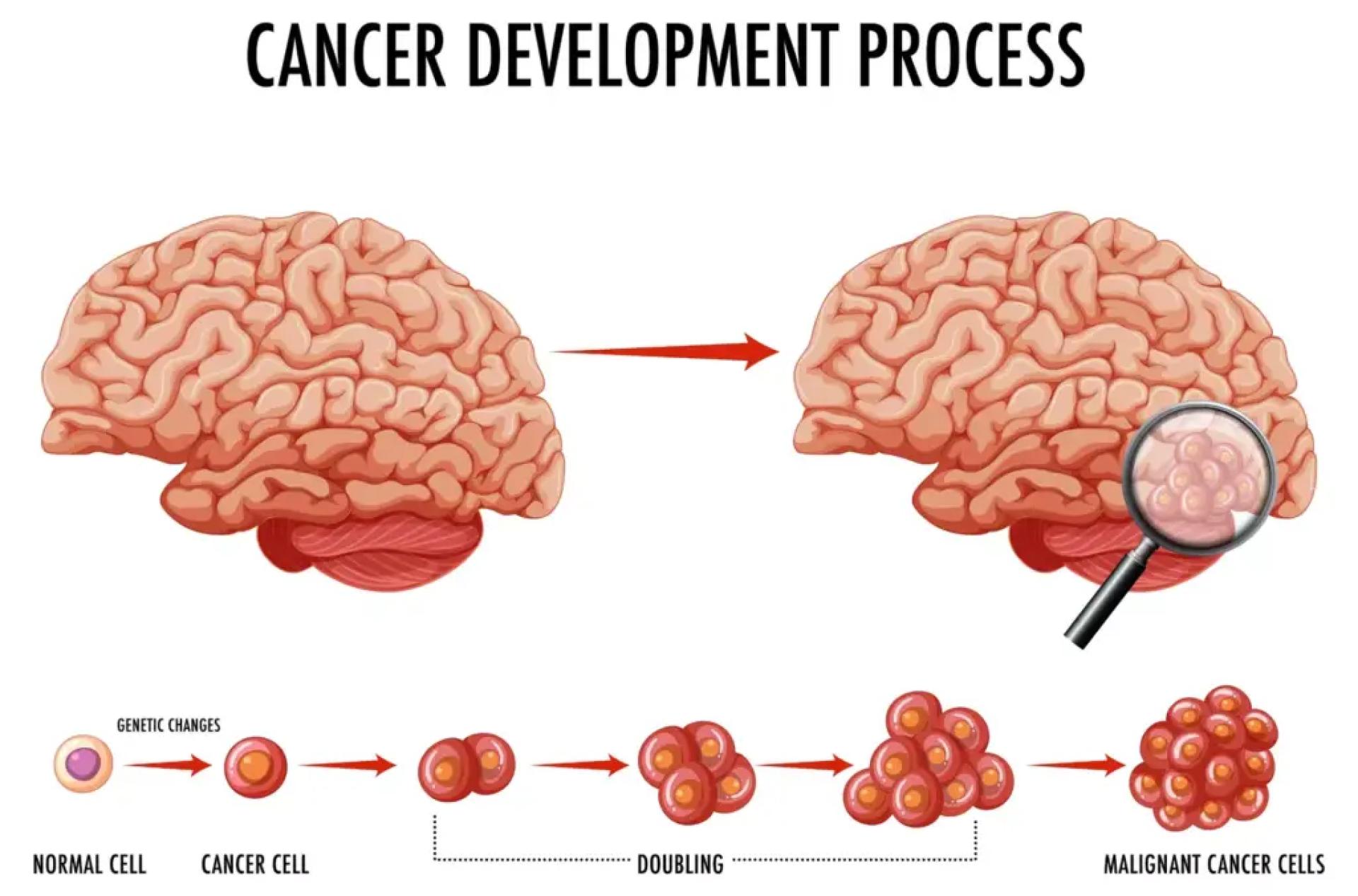
What happens inside the cell during tumor growth?
One moment, cells behave by growing, copying genes, splitting, pausing. Brain cancer twists this pattern. Signals meant to halt growth get blocked. Astrocytoma? Those flawed brain cells split nonstop even when space runs out. Inside each cell, tiny errors can twist the genetic code. When this happens, messages go wrong, signals meant to slow growth get lost. Because of these glitches, brain cells ignore stop signs they should obey. A pile builds up where nothing belongs, quietly taking space it shouldn’t. That cluster doesn’t belong there; it just keeps growing.
How do tumor grades affect symptoms?
Headaches sometimes show up when a slow growing tumor quietly takes space. These growths give the brain room to shift, easing early signs. Seizures pop in without warning even if things seem calm at first. Fast tumors act differently; they push hard and fast. Nerve messages stumble as pressure builds in tight areas. Speech stumbles. Arms weaken. Memories are as dim as the old snapshots buried too long in the light. Normal cells surrounding aggressive growths are usually unable to cope due to the lack of enough fuel or air. As things speed up, signs get tougher because of this gap.
Can nutrition and lifestyle help support the brain?
Fresh produce steps in with antioxidants, guarding cells against more harm. Though diet won’t shift tumor grades, it helps maintain physical resilience. Fueling the body right means giving cells what they need to function and mend. Grains roll out slow burning power for mental focus. Proteins contribute by repairing the deteriorated tissues. Nutrients are utilized as instruments in a toolbox. Water flows on your body making blood follow through so that oxygen can get to all the cells. A slow walk wakes up your muscles, which helps them handle daily strain more easily
What happens when medicine meets a cell?
The fighting strategies of cancer like surgery, radiation or chemo destroy or debilitate cancerous cells. Hitting a cell's speed of division hard chemotherapy steps in here to block runaway growth. Radiation takes a different route: it breaks the DNA within tumor cells, freezing their ability to split. But normal cells sometimes get caught in the crossfire, leading to tiredness or sickness afterward. When the body gets proper food and sleep, those unharmed cells regain strength more easily.
How do small routines smooth out each day?
Tiredness and shifts in hunger show up a lot with brain cancer or astrocytoma. Because of that, having food more frequently just less each time keeps strength steady. When things don’t taste right, bright touches such as lemon juice or fresh herbs might spark interest again. After eating, pausing gives the system space to take in what it needs. Starting slow with a few stretches might lift how you feel. A brief walk now could keep blood moving well. While none of this targets cancer itself still it gives normal cells better chances to thrive. Moving just a little helps strength linger longer
Conclusion
Brain tumors aren’t all the same. One kind, called astrocytoma, starts in star shaped brain cells known as astrocytes. These growths come in different levels of seriousness, shown by grades. Higher numbers mean cells look less like healthy ones and multiply faster. That difference shapes both signs people feel and which medical paths doctors pick. Eating well, staying hydrated, small routines each day these things help balance inner chaos caused by abnormal cell activity deep within. Visit punarjanayurveda.com when prostate cancer needs attention. Here, ancient remedies join modern support for patients. Old wisdom walks beside today’s care. Help arrives through time tested paths. Healing shows up quietly, without noise. This site stands ready when answers are needed. Tradition wraps around struggle here. Relief comes slow but steady. Each step is rooted in what came before.
REFERENCE LINKS:
https://www.aans.org/patients/conditions-treatments/astrocytoma-tumors/
https://www.ncbi.nlm.nih.gov/books/NBK559042/
https://www.cancerresearchuk.org/about-cancer/brain-tumours/grades
https://www.upsurgeon.com/scientific-news/brain-tumor-classification-a-comprehensive-guide/
https://nyulangone.org/conditions/glioma-astrocytoma/types
https://tischbraintumorcenter.duke.edu/blog/what-are-different-brain-tumor-grades-0