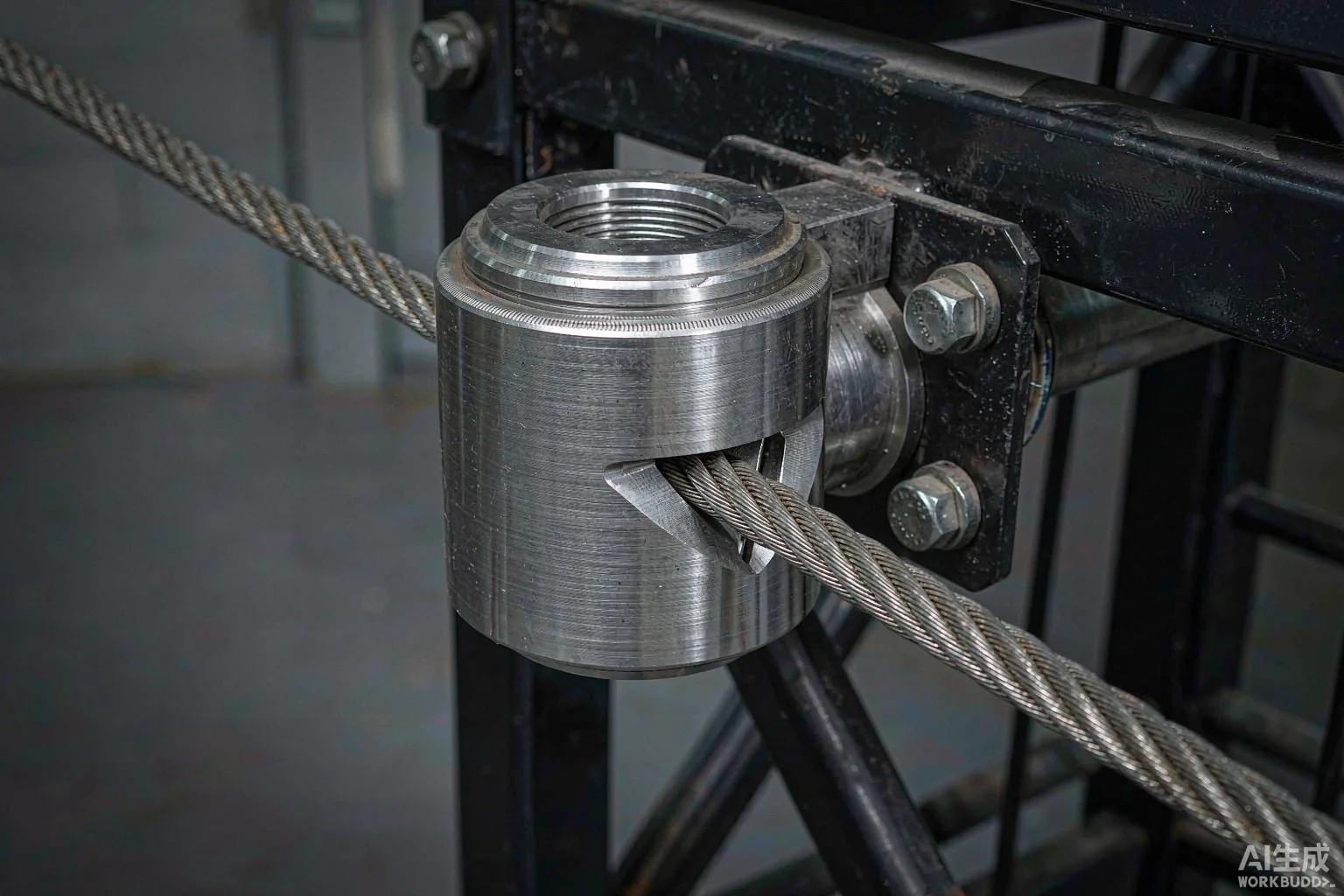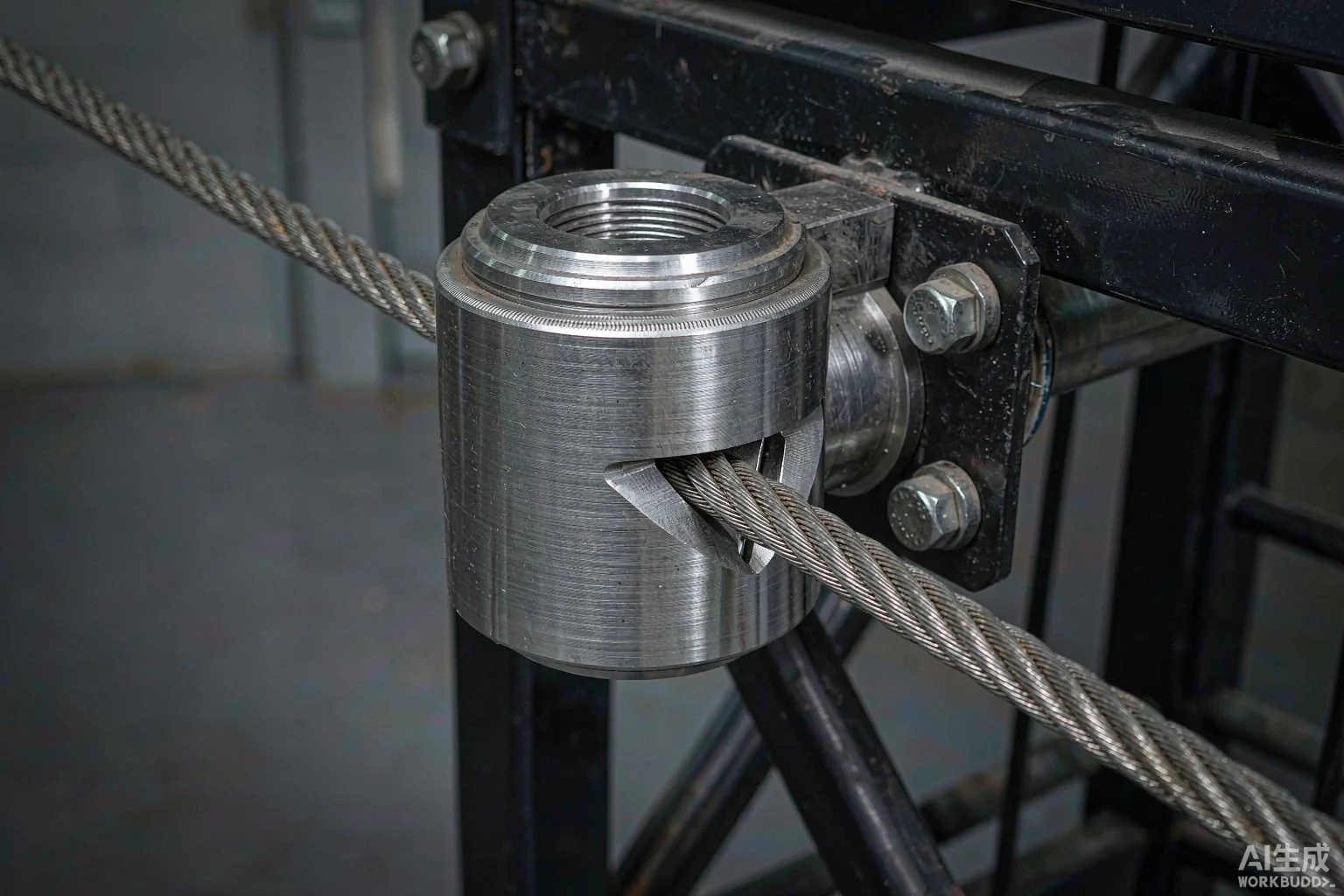
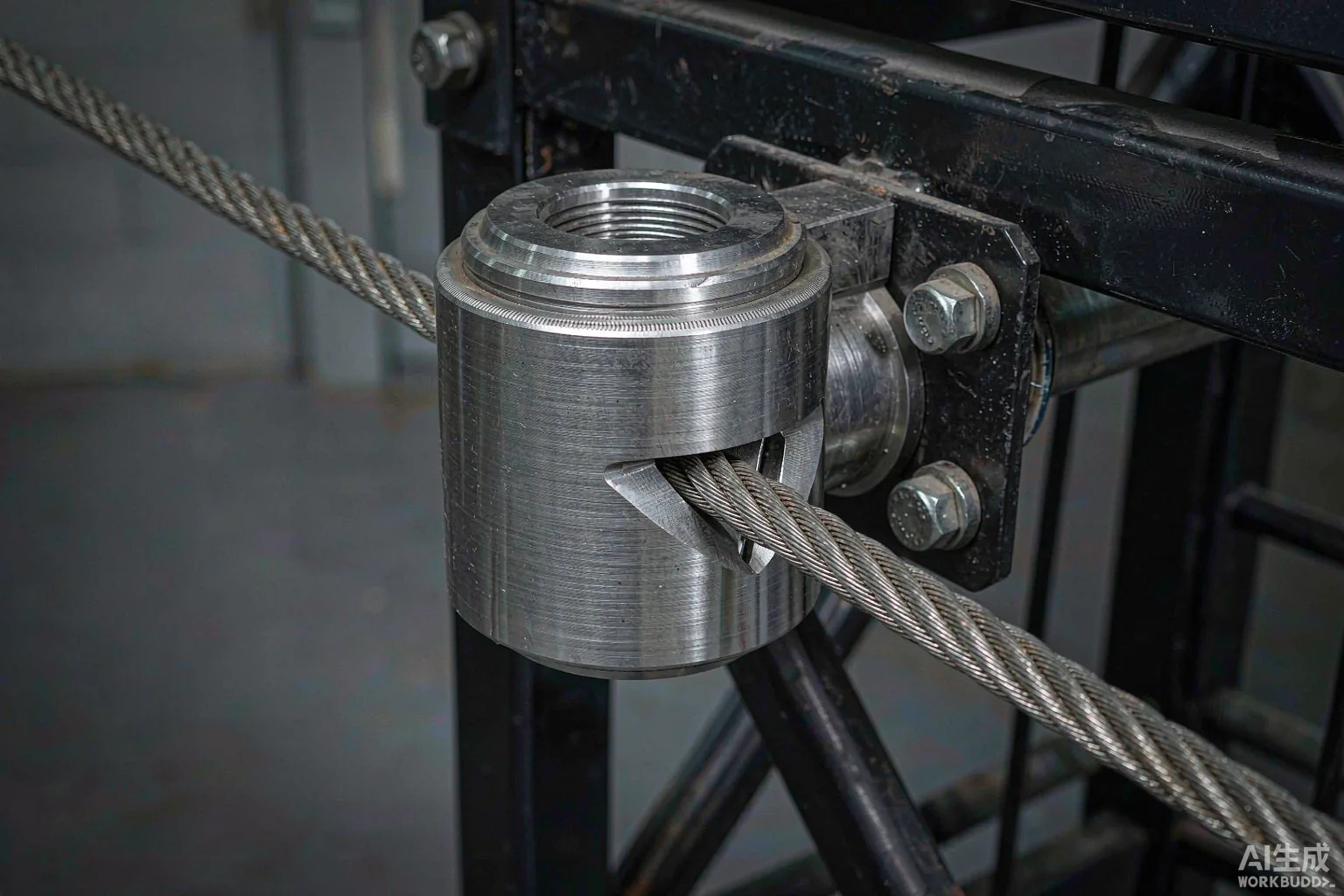
Boring Tube Applications in Precision Machining and Cylinder Systems
Long, accurately bored tubular stock is a quiet enabler of precision manufacturing and fluid power. A boring tube provides a pre-machined internal diameter that saves a finishing operation, stabilises geometry, and gives designers a predictable bore to build around. This article surveys where the product earns its place, how it is made accurate, and what a buyer should specify to get repeatable results from the first bar to the last.
What Distinguishes a Boring Tube
A boring tube is supplied with an internal diameter already brought to a defined tolerance by a boring or honing operation, as opposed to raw seamless tube whose bore is only as accurate as the drawing process allowed. The difference is felt at the machine: instead of setting up a long boring bar and risking deflection over metres of length, the shop receives a section whose bore is close to final and only needs a light skim or none at all, which protects the schedule on long or tight-tolerance work.
The accuracy is the product. A boring tube is bought for straightness, roundness, and a controlled surface, not merely for being hollow. When the tube becomes a hydraulic barrel, a liner, or a guide, those internal characteristics decide whether the finished component seals, slides, and lasts. Treating it as commodity pipe leads to rework that the purchase was supposed to avoid, and the rework usually costs more than the saving from the cheaper raw stock.
Production Route to Accuracy
The base is usually seamless tube, which avoids the inclusion stringers a weld seam can introduce. After drawing to approximate size, the bore is bored with a single-point or roller tool, then often honed to a plateau finish. Boring establishes the diameter and geometry; honing refines the surface so seals and pistons travel without scuffing. The two operations are complementary, and skipping the second usually shows up as short seal life and accelerated bore wear in the field.
Long tubes are the hard case. A boring bar deflects under its own weight and cutting force, so holding tolerance over several metres demands a rigid setup, steady feeds, and often a supported or floating tool. A boring tube made on a well-tuned line stays round and straight along its length, while one made on a marginal setup drifts, leaving a bore that is on-size at the ends and off in the middle where the bar was least supported.
Where It Is Used
The clearest use is hydraulic and pneumatic cylinder barrels, where the tube is the pressure boundary and the guide for the piston. Here the bore finish and straightness are the whole game. A second use is as a liner or bushing stock, where a hard, accurate inner diameter is slipped over a shaft or into a housing. A third is structural tubing that also carries fluid or a moving element, common in machinery frames and automation where a single section serves both as a member and a conduit.
In precision machining, the tube is often turned or milled on its outside after purchase, then used as a rotating or sliding member. Because the bore is already controlled, the external work can be referenced to it, keeping the part centred. A boring tube that is concentric lets the shop cut the outside true to the inside, which is exactly what a bearing or seal seat demands, and it removes a source of run-out that is hard to correct later.
Specifying for Repeatability
A useful specification lists bore diameter tolerance, straightness over length, wall concentricity, internal roughness with supporting parameters, and any plating or heat treatment. Each line should name how it will be inspected, because a tolerance without a method is a wish. For long parts, straightness as a total indicator over length and a wall map catch the failures that a single-point bore gauge misses, and they give the supplier a clear target instead of a vague expectation.
Material choice follows duty: carbon steel for strength and economy, stainless for corrosion, alloy grades for fatigue or temperature. A boring tube in the wrong base metal may have a perfect bore yet fail by corrosion or fatigue, so the substrate decision belongs in the same conversation as the geometry, and the two should be agreed before the first cut rather than discovered after a field failure.
Common Pitfalls
The first pitfall is ordering to nominal size and ignoring straightness, then wondering why seals wear unevenly. The second is assuming a single roughness number describes the surface; the profile matters more. The third is machining the ends after plating without protecting the bore, introducing a burr or a soft seat where the seal beds. All three are avoided by writing the full specification and inspecting to it on arrival, before the material enters the production queue.
A boring tube also needs handling care: long sections bend in transit, so receiving should repeat the straightness check and packaging should support the length. A perfectly made tube arrives unusable if it was shipped like a garden hose, and the cost of a rejected bar plus a stopped line far exceeds the small effort of specifying proper crating and support.
Conclusion
A boring tube is a precision semi-finished component, not a length of pipe. Its value is the bored, straight, geometrically controlled bore that removes a risky operation and stabilises the finished part. Specified on diameter, straightness, wall concentricity, and finish, and verified at receiving, it becomes a dependable foundation for cylinders, liners, and precision machinery alike, and it pays for itself in avoided rework.