In today’s competitive industrial landscape, manufacturing companies face constant pressure to optimize processes, reduce costs, and improve product quality. To achieve these goals, businesses are turning to modern technologies that enhance accuracy and efficiency across production and logistics. Among these technologies, the weighbridge and the metal detector stand out as essential tools that streamline operations while ensuring compliance and safety.
By integrating weighbridges and metal detectors into manufacturing systems, industries can improve efficiency, reduce errors, and maintain consistent product standards. These technologies not only protect against operational risks but also support profitability and long-term sustainability.
The Weighbridge: Streamlining Material Management
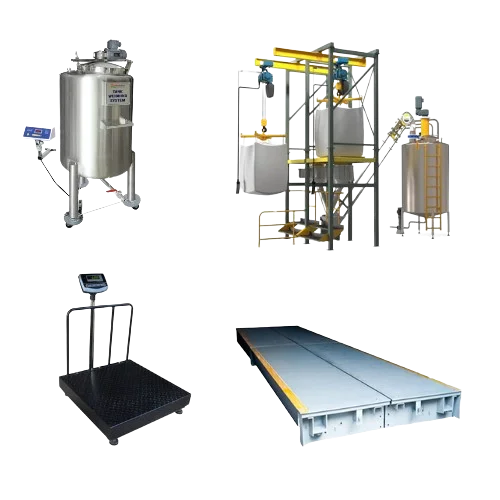
A weighbridge is a large-scale weighing system designed to measure vehicles and their loads accurately. In manufacturing, the precise management of raw materials and finished goods is vital for efficient operations. Weighbridges provide real-time weight data, ensuring that every stage of material movement is controlled and optimized.
How Weighbridges Improve Manufacturing Efficiency
Accurate Raw Material Measurement
In industries like cement, steel, and chemicals, raw materials are transported in bulk. A weighbridge ensures accurate measurement, preventing discrepancies that can disrupt production schedules.
Preventing Overloading and Underloading
Overloaded vehicles pose safety risks, while underloaded trucks increase transportation costs. A weighbridge prevents both scenarios, ensuring optimal load distribution and efficient logistics.
Faster Turnaround Time
Modern digital weighbridges reduce manual errors and speed up weighing operations. Automated ticketing systems minimize waiting times, improving supply chain flow.
Data Integration
Smart weighbridges integrate with ERP and logistics software, providing managers with real-time insights into inventory levels and transportation efficiency.
By improving accuracy and minimizing waste, weighbridges contribute directly to cost savings and streamlined manufacturing operations.
The Metal Detector: Safeguarding Product Quality
While weighbridges focus on quantity and load management, the metal detector plays a crucial role in maintaining product safety and quality. In manufacturing sectors such as food processing, pharmaceuticals, textiles, and packaging, the presence of metallic contaminants can be harmful to consumers and damaging to a company’s reputation.
How Metal Detectors Enhance Efficiency in Manufacturing
Ensuring Product Safety
A metal detector prevents harmful metallic contaminants from reaching the end consumer. This is especially important in industries where safety is directly tied to compliance with global standards.
Reducing Product Recalls
Product recalls are expensive and damaging to brand reputation. By identifying contaminants during production, a metal detector reduces the chances of recalls and ensures customer trust.
Protecting Equipment and Workers
Stray metallic particles can damage production machinery or cause workplace accidents. A metal detector eliminates these risks, ensuring smooth and safe operations.
Compliance with Regulations
Global standards like HACCP, FDA, and ISO require strict quality checks. By using a metal detector, manufacturers ensure compliance and avoid penalties.
The efficiency benefits of a metal detector go beyond safety—it reduces waste, saves costs, and supports continuous production without unexpected interruptions.
Combining Weighbridges and Metal Detectors for Maximum Efficiency
The true value of these technologies lies in their combined application. Together, the weighbridge and the metal detector support both accuracy and quality throughout the manufacturing process.
For example, in a food manufacturing facility
- Raw materials are weighed on a weighbridge before entering the plant to ensure accurate quantities.
- During processing, a metal detector checks for contaminants, guaranteeing product quality and safety.
- Finished goods are weighed again before dispatch, optimizing logistics and ensuring compliance with transport laws.
This integration allows manufacturers to manage resources efficiently, maintain safety standards, and build consumer trust.
Technological Advancements in Weighbridges and Metal Detectors
With the rise of Industry 4.0, both weighbridges and metal detectors are becoming smarter and more advanced.
- IoT-Enabled Weighbridges: Connected weighbridges allow managers to monitor loads remotely, generate automatic reports, and integrate with digital platforms for better decision-making.
- AI-Powered Metal Detectors: Advanced detectors use artificial intelligence to identify even non-ferrous contaminants with high accuracy, reducing false rejects and increasing efficiency.
- Cloud-Based Data Storage: Both technologies now generate compliance-ready digital records, ensuring transparency and simplifying audits.
These advancements make it easier for manufacturers to meet global standards, enhance productivity, and stay competitive in the marketplace.
Manufacturing efficiency depends on accuracy, safety, and compliance. The weighbridge ensures that materials are handled and transported correctly, reducing waste and optimizing logistics. The Metal detectors , on the other hand, guarantees that finished products are safe, contamination-free, and compliant with international standards.
Together, weighbridges and metal detectors form a powerful combination that boosts manufacturing efficiency, minimizes risks, and strengthens customer confidence. For industries seeking to remain competitive and sustainable, adopting these advanced solutions is not just an operational upgrade—it is a strategic necessity.