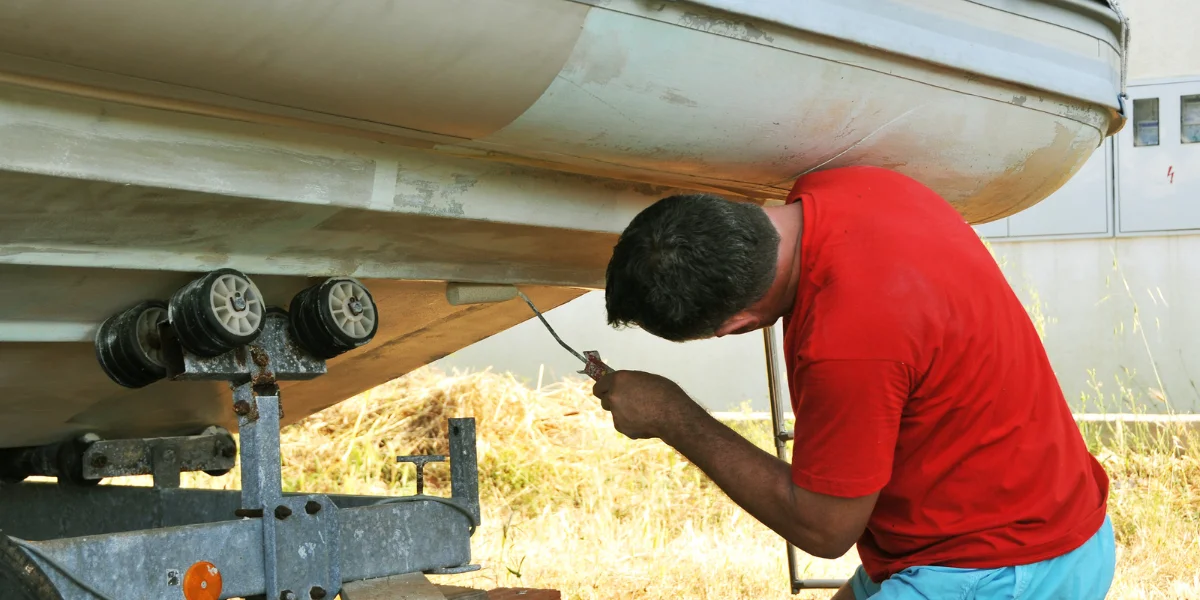
A boat with a smooth, glossy exterior always makes a great impression. However, keeping that finish in good condition takes more than an occasional wash. Sunlight, saltwater, humidity, and everyday use can gradually leave fiberglass looking faded, dull, or chalky. I believe regular surface care is one of the simplest ways to keep a boat looking well-maintained and ready for the water.
Whether I own a fishing boat, yacht, sailboat, pontoon, or center console, I want the exterior to look clean and protected. That's where proper boat polishing and boat waxing come in. With the right products and techniques, I can improve the appearance of the fiberglass, address light oxidation, and help protect the finish.
Here are the practical tips I would follow to maintain a beautiful boat finish without making the process unnecessarily complicated.
Why Is Regular Boat Polishing Important?
Boat polishing does more than bring back a glossy appearance. It helps improve the look of fiberglass and gelcoat surfaces that gradually lose their shine from environmental exposure.
Restore the Appearance of Faded Fiberglass
Sun exposure and saltwater can leave fiberglass looking dull or chalky. A suitable fiberglass boat polish can help improve the appearance of lightly oxidized surfaces and bring back some of their original gloss.
Maintain a Smooth, Clean Finish
Over time, water spots, dirt, and surface contaminants can affect a boat's appearance. Proper washing and polishing help remove buildup and improve the overall finish.
Prepare the Surface for Wax Protection
I see polishing and waxing as two separate but complementary steps. Polishing improves the surface appearance, while boat wax adds a protective layer that helps maintain the finish.
Support Long-Term Boat Care
Regular attention makes it easier to notice fading, oxidation, and other surface changes. I prefer addressing these issues early rather than waiting until the exterior needs more intensive restoration.
Signs That Your Boat Needs Polishing
Before choosing a polish or compound, I would inspect the fiberglass and gelcoat carefully. The surface condition helps determine the right treatment.
Watch for These Common Signs
- Dull fiberglass: The exterior has lost its glossy appearance.
- Chalky gelcoat: A powder-like residue appears when I touch the surface.
- Faded colors: The original color looks washed out or uneven.
- Light oxidation: The finish appears cloudy or less vibrant.
- Water spots: Dried mineral deposits leave visible marks.
- Uneven shine: Some areas look glossy while other sections appear dull.
If I notice heavy oxidation or a badly faded finish, I would not rely on ordinary polish alone. The surface may need boat oxidation removal and compounding before polishing.
Practical Boat Polishing Tips for a Lasting Finish
A good result starts with preparation. I would never rush straight into polishing because dirt and loose debris can interfere with the process.
1. Wash the Boat Thoroughly Before Polishing
I always start with a proper wash. Salt, sand, grime, and other contaminants should be removed before I begin working on the finish.
For a better cleaning routine, I would:
- Rinse the boat with fresh water.
- Use a marine-safe boat cleaning solution.
- Clean around rails, fittings, and hardware.
- Use a soft wash mitt or sponge.
- Rinse away all soap residue.
- Allow the surface to dry before polishing.
For boats used in saltwater, I would make freshwater rinsing a regular habit. It helps remove salt deposits before they build up.
2. Choose the Right Fiberglass Boat Polish
Not every boat surface needs the same treatment. A lightly faded gelcoat may respond well to a finishing polish, while heavier oxidation can require a more intensive compound.
When choosing a fiberglass boat polish, I would consider:
- The current condition of the gelcoat.
- Whether oxidation is light or heavy.
- The presence of stains or surface marks.
- Product compatibility with marine fiberglass.
- The manufacturer's application instructions.
I would avoid choosing an aggressive compound when a milder product is enough. Using more abrasive products than necessary can remove additional gelcoat material.
3. Use the Correct Polishing Technique
The application method can make a noticeable difference in the final result. I would work patiently and focus on one manageable section at a time.
A few practices I would follow:
- Apply the product according to its instructions.
- Use a clean microfiber applicator or suitable polishing pad.
- Work in small sections.
- Apply consistent, controlled pressure.
- Avoid allowing the product to dry unless directed.
- Remove residue with a clean microfiber towel.
- Check the surface under good lighting.
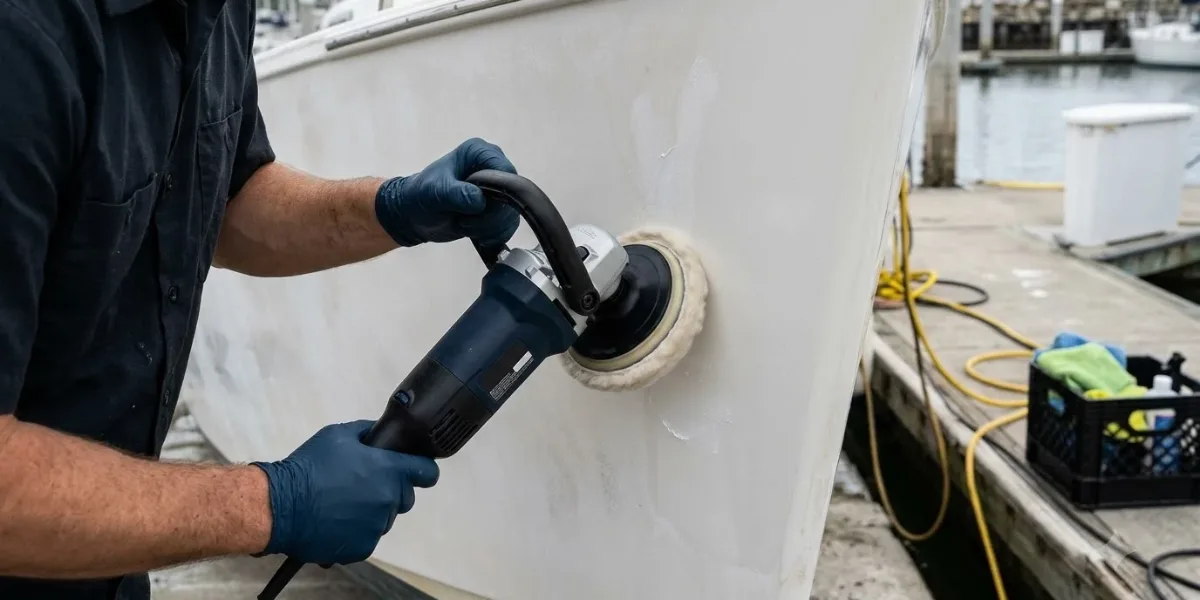
When using a machine polisher, I would select the correct pad and speed for the product and surface. I would also keep the machine moving instead of holding it in one spot.
4. Apply Boat Wax After Polishing
Once the surface has been polished, I would consider applying a suitable marine wax. Waxing helps add a protective layer and supports the glossy appearance of the finish.
The benefits of boat waxing can include:
- Improving surface gloss.
- Helping protect the finish from environmental contaminants.
- Making routine cleaning easier.
- Supporting ongoing gelcoat care.
- Helping maintain a smooth-looking exterior.
I would always follow the wax manufacturer's instructions and apply it to a properly prepared surface.
5. Do Not Overlook Small Exterior Areas
Some sections are easy to miss during boat detailing. I would pay attention to areas around cleats, rails, fittings, corners, and trim.
These places can collect dirt and residue even when the larger fiberglass panels look clean. I would use suitable cleaning tools and take care around delicate finishes and hardware.
Common Boat Polishing Mistakes I Would Avoid
Even a quality product can produce poor results when it is used incorrectly. I would keep these common mistakes in mind whenever I work on a boat's exterior.
Polishing Over Dirt
Loose dirt and sand can create additional scratches during polishing. I would always wash and rinse the surface first.
Using Household Cleaners
Some household products may be too harsh or unsuitable for marine fiberglass. I would choose cleaners and polishes made for boat surfaces.
Applying Too Much Pressure
Excessive pressure does not automatically produce a better shine. I would use controlled movements and let the product do its job.
Ignoring Heavy Oxidation
When gelcoat is heavily oxidized, ordinary polishing may not be enough. I would consider professional oxidation removal and compounding before applying a finishing polish.
Skipping Wax Protection
Polishing improves the surface appearance, but it does not replace waxing. I would include a suitable protective treatment when the surface and product instructions call for it.
Reusing Dirty Pads and Towels
Dirty polishing pads can spread residue and contaminants. I would clean or replace them when necessary to avoid affecting the finish.
Boat Polishing Tips for Different Types of Boats
Every vessel has different surface materials, layouts, and usage patterns. I would adjust my care routine according to the boat rather than following the same process for every type.
Private Boat Owners
For a private boat used on weekends or during occasional trips, I would focus on regular washing, checking the fiberglass, and waxing when needed. Consistent care helps maintain its appearance between outings.
Yacht Owners
Yachts often have larger exterior surfaces and several different finishes. I would focus on fiberglass, gelcoat, stainless steel, and visible trim. Professional yacht detailing services can be useful when the vessel needs more extensive surface care.
Fishing Boat Owners
Fishing boats often face saltwater, fish residue, dirt, and frequent use. I would rinse the exterior after trips and pay particular attention to the hull, deck, and exposed hardware.
Recreational Boat Owners
For recreational boats, I would keep the routine simple: wash regularly, inspect the finish, and polish or wax when the surface needs attention.
Sailboat Owners
Sailboats have large exterior surfaces that can collect salt deposits and environmental grime. I would include fiberglass and gelcoat care in my regular maintenance routine.
Pontoon Boat Owners
Pontoon boats can include metal components alongside fiberglass and other finished surfaces. I would use products suitable for each material instead of applying the same polish everywhere.
Center Console Boat Owners
Center console boats often have exposed fiberglass, seating areas, rails, and hardware. I would include these visible areas in a complete exterior cleaning and detailing routine.
Marina Boat Owners
For a boat kept at a marina, I would pay attention to ongoing exposure to sunlight, moisture, and saltwater. Regular rinsing and surface inspections help me spot buildup and fading before they become more noticeable.
How Often Should I Polish and Wax My Boat?
The right schedule depends on how often I use the boat, where I store it, and how much environmental exposure it receives. I would use the following routine as a starting point and adjust it according to the condition of the finish.
- After every outing: Rinse away saltwater, dirt, and loose debris.
- Every few weeks: Wash the exterior and check for water spots or buildup.
- Every few months: Inspect the fiberglass and gelcoat for fading, dullness, or oxidation.
- When the finish looks dull: Consider polishing based on the surface condition.
- As needed: Reapply marine wax according to the product instructions and exposure conditions.
I would not polish simply because a certain number of weeks have passed. Polishing can remove a small amount of surface material, so I prefer doing it when the finish actually needs correction.
When Should I Consider Professional Boat Polishing?
Basic washing and routine cleaning are manageable tasks, but restoring a faded or oxidized finish can be more demanding. The right equipment, product selection, and technique all matter.
I would consider professional boat detailing services when:
- Fiberglass has widespread oxidation.
- The gelcoat looks heavily faded or chalky.
- Previous polishing attempts have not improved the finish.
- Large exterior areas need consistent treatment.
- I want help with polishing, waxing, and other detailing tasks.
Professional detailing may include fiberglass polishing, compounding, oxidation removal, marine waxing, stainless steel polishing, and interior cleaning. It can also help when several areas of the boat need attention at the same time.
My Recommendation for Boat Detailing in Tampa Bay
When I want professional help with boat care, I would recommend exploring Royal Blue Boat Detail. The company provides mobile boat detailing services in the Tampa Bay area and offers several services for maintaining a vessel's appearance.
Its services include:
- Boat detailing and maintenance.
- Fiberglass polishing and boat waxing.
- Oxidation removal and compounding.
- Stainless steel polishing.
- Interior, vinyl, and teak cleaning.
I appreciate that these services cover both exterior and interior care. That can be helpful when a boat needs more than a basic wash, especially when the fiberglass has become dull or the interior needs attention.
For more information about available services, visit Royal Blue Boat Detail.
Final Thoughts on Maintaining a Beautiful Boat Finish
A lasting boat finish comes from consistent care, not occasional polishing alone. I would combine regular washing, suitable fiberglass polishing, proper waxing, and routine surface inspections to keep the exterior looking its best.
Whether I am maintaining a private boat, yacht, fishing boat, sailboat, pontoon, or center console, I would always begin by checking the surface condition and choosing the right treatment.
With the right routine and professional help when needed, I can keep my boat looking clean, glossy, and ready for the next trip on the water.