
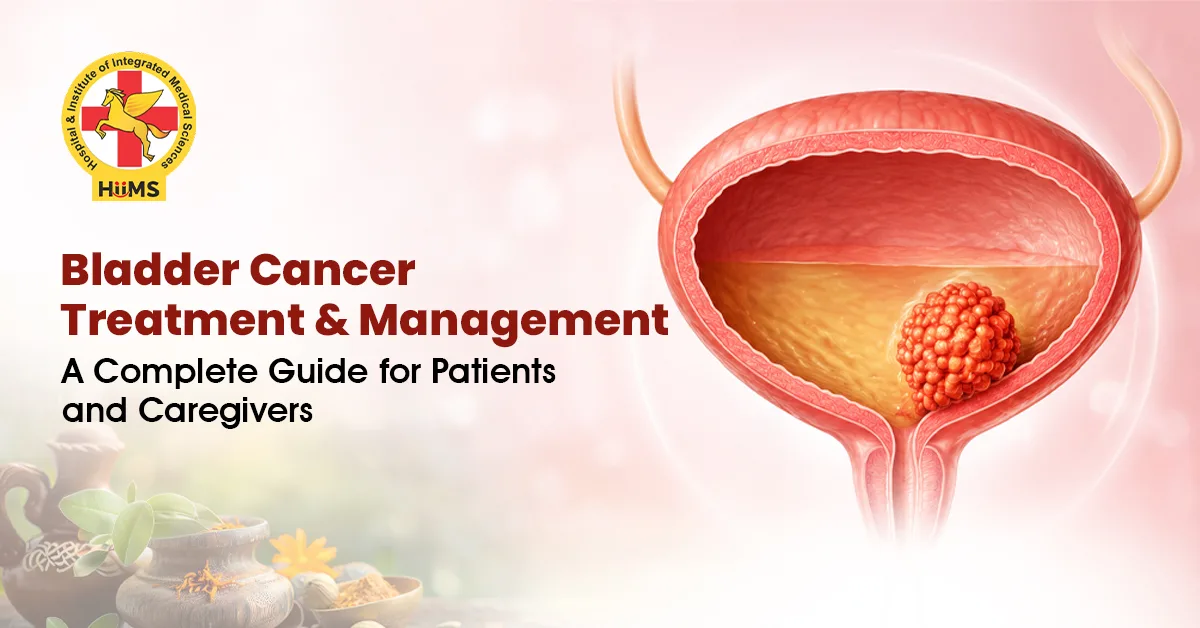
Bladder cancer is a condition that affects thousands of people worldwide, yet many individuals know very little about it until they or a loved one receives a diagnosis. In many cases, bladder cancer develops gradually and may not cause noticeable symptoms in its early stages. Because of this, warning signs are often overlooked or mistaken for less serious health concerns.
Managing bladder cancer involves much more than addressing the disease itself. It requires ongoing support, lifestyle adjustments, emotional resilience, and informed decision-making. Both patients and caregivers benefit from understanding the condition and learning how to navigate the challenges that may arise throughout the treatment journey.
This guide provides simple and easy-to-understand information about bladder cancer symptoms, supportive care approaches, lifestyle management, and the important role caregivers play in helping patients maintain their quality of life.
What Is Bladder Cancer?
Bladder cancer occurs when abnormal cells begin to grow uncontrollably within the tissues of the bladder. Over time, these cells can interfere with the bladder’s normal function and may spread to nearby tissues if left untreated.
One of the challenges of bladder cancer is that it can progress quietly in its early stages. This is why awareness and timely medical evaluation are essential. Recognizing potential warning signs can help individuals seek professional advice sooner and improve treatment planning.
Common Symptoms of Bladder Cancer
While symptoms can vary from person to person, several warning signs should not be ignored. Understanding these symptoms may help individuals seek medical attention at an earlier stage.
Early Symptoms
- Blood in the urine
- Burning sensation during urination
- Frequent need to urinate
- Mild discomfort in the lower abdomen
Advanced Symptoms
- Lower back pain
- Persistent fatigue or weakness
- Difficulty passing urine
- Changes in urinary flow
It is important to remember that these symptoms do not always indicate bladder cancer. However, any unusual or persistent changes should be evaluated by a healthcare professional.
The Role of Daily Habits in Recovery and Well-Being
A cancer diagnosis can affect many aspects of a person's physical and emotional health. Energy levels, digestion, sleep patterns, and overall well-being may all be impacted during treatment and recovery.
Effective bladder cancer management often includes maintaining healthy daily routines alongside medical care. Small lifestyle changes can contribute to better overall health and help patients feel more supported throughout their journey.
Consistency is often more important than perfection. Even minor improvements in daily habits can make a meaningful difference over time.
Supportive Approaches Used in Bladder Cancer Care
Many individuals explore supportive therapies alongside conventional medical treatment to help maintain overall wellness. These approaches are generally aimed at improving comfort, supporting the body's natural functions, and enhancing quality of life.
1. Panchakarma Therapy
Panchakarma is a traditional cleansing approach that focuses on removing accumulated toxins and promoting internal balance.
Potential Benefits:
- Supports digestive health
- Promotes a feeling of lightness
- Encourages relaxation
- Helps prepare the body for ongoing care
2. Herbal External Therapies
Certain wellness programs use herbal preparations that are applied externally through gentle therapeutic techniques.
Potential Benefits:
- May support healthy circulation
- Encourages relaxation and stress relief
- Supports overall wellness
- Provides a soothing experience
3. Fresh Vegetable and Herbal Juices
Nutrient-rich juices prepared from vegetables and herbs are often included as part of supportive wellness programs.
Potential Benefits:
- Supports hydration
- Provides essential nutrients
- Helps maintain energy levels
- Supports digestive function
4. Structured Fasting and Meal Timing
Some care plans include guided fasting practices or structured eating schedules designed to support digestive health.
Potential Benefits:
- Allows digestive rest
- Encourages mindful eating habits
- Supports metabolic balance
- May improve overall well-being
5. Personalized Wellness Planning
Every individual's condition, needs, and recovery goals are different. Personalized care plans help create routines that are practical and sustainable.
Potential Benefits:
- Tailored support for individual needs
- Easier monitoring of progress
- Better adherence to wellness routines
- Encourages long-term consistency
Lifestyle Changes That May Support Overall Health
Simple daily habits can contribute to better physical and emotional well-being during cancer treatment and recovery.
Some helpful practices include:
- Maintaining a consistent daily schedule
- Choosing balanced and nutritious meals
- Managing stress through relaxation techniques
- Staying physically active within personal limits
- Prioritizing quality sleep
- Practicing positive thinking and mindfulness
Although these changes may seem small, they can have a cumulative impact on overall wellness when followed consistently.
The Important Role of Caregivers
Caregivers are often an essential source of support throughout the cancer journey. Their involvement can help patients manage daily tasks, maintain treatment schedules, and cope with emotional challenges.
Ways caregivers can provide support include:
- Offering encouragement without pressure
- Helping maintain healthy routines
- Communicating openly and honestly
- Practicing patience and understanding
- Assisting with appointments and daily responsibilities
Emotional support can be just as valuable as physical assistance. A positive and supportive environment often helps patients feel more confident and motivated during treatment.
Conclusion
Bladder cancer can affect many areas of life, including physical health, emotional well-being, and everyday routines. Managing the condition successfully often requires a combination of medical treatment, supportive care, healthy lifestyle choices, and ongoing emotional support.
By understanding the disease and taking a proactive approach to care, patients and caregivers can make informed decisions and create routines that support long-term well-being. While every person's journey is unique, knowledge, consistency, and support can help make the path forward more manageable.
If you are experiencing symptoms or have concerns about bladder health, consulting a qualified healthcare professional is the best step toward receiving proper guidance and care.
Frequently Asked Questions
What is bladder cancer?
Bladder cancer is a condition in which abnormal cells grow uncontrollably within the bladder tissues.
What are the common early symptoms?
Blood in the urine, frequent urination, and discomfort during urination are among the most commonly reported early symptoms.
Why is early diagnosis important?
Early detection may allow for more treatment options and can improve overall management of the condition.
What does bladder cancer care typically involve?
Care may include medical treatment, regular monitoring, nutritional support, lifestyle modifications, and emotional support.
Are dietary changes helpful during treatment?
Many healthcare professionals recommend limiting highly processed foods and focusing on a balanced, nutrient-rich diet to support overall health.