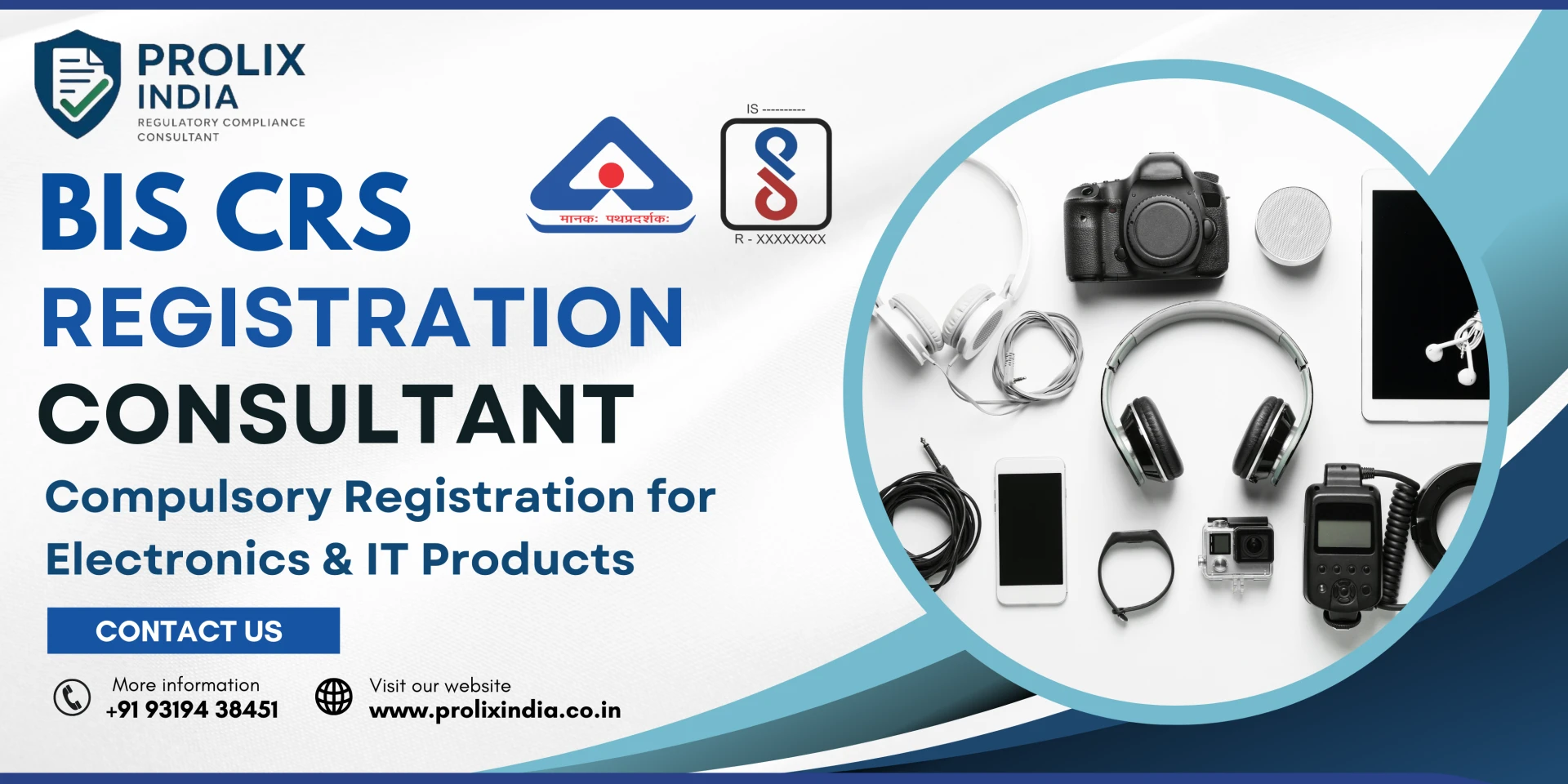
India’s regulatory landscape for electronics is built around safety, quality assurance, and consumer protection. To control the influx of substandard electronic goods, the government introduced the Compulsory Registration Scheme (CRS), implemented by the Bureau of Indian Standards. Under this framework, manufacturers and importers of notified electronic products must secure registration before selling their products in India.
Understanding the BIS CRS certification process is essential for businesses aiming to enter or expand within the Indian electronics market.
What is the BIS CRS Scheme?
The Compulsory Registration Scheme is a regulatory mechanism designed to ensure that certain electronic and IT products conform to specific Indian Standards. The scheme focuses on product testing and registration rather than full-scale factory licensing.
Under CRS, manufacturers must have their products tested in BIS-recognized laboratories. Once the products meet the applicable safety and performance requirements, registration is granted, allowing the use of the Standard Mark along with a unique registration number.
The scheme applies to both Indian manufacturers and foreign companies exporting products to India.
Importance of BIS Certification for Electronic Products
Electronic products such as chargers, LED lights, laptops, and other IT devices are widely used in households and commercial environments. If these products do not meet safety requirements, they may pose risks including electric shock, overheating, and fire hazards.
BIS certification for electronic products ensures that:
- Products comply with Indian safety standards
- Consumers are protected from substandard goods
- Businesses meet legal requirements for sale and distribution
- Imports clear customs without regulatory issues
For products covered under the scheme, certification is mandatory. Selling or importing unregistered goods may lead to penalties, product seizure, or prohibition from the market.
Products Covered Under CRS
The list of products notified under CRS has expanded significantly over time. It includes various electronic and IT items such as:
- Mobile phones
- LED lighting products
- Power banks and adapters
- Laptops and tablets
- Smart wearables
- Audio and video equipment
- IT peripherals
Manufacturers must identify the correct Indian Standard applicable to their product category before initiating CRS registration.
Step-by-Step CRS Registration Process
The registration procedure involves multiple structured steps:
1. Identification of Applicable Standard
Each product category corresponds to a specific Indian Standard. Proper identification ensures correct testing and compliance.
2. Testing in BIS-Recognized Laboratory
Product samples must be submitted to a BIS-approved laboratory in India. The laboratory evaluates the product against safety and performance parameters defined in the standard.
3. Documentation Preparation
Applicants are required to prepare and submit documentation including:
- Test reports
- Business registration documents
- Manufacturing details
- Trademark authorization, if applicable
- Authorization letter for foreign manufacturers
Foreign manufacturers must appoint an Authorized Indian Representative (AIR) to coordinate compliance and communication with BIS.
4. Online Application Submission
The application, along with required documents and fees, is submitted through the BIS online portal.
5. Scrutiny and Grant of Registration
BIS reviews the application and test results. If compliant, a registration number is issued.
6. Marking Requirements
After approval, the Standard Mark and registration number must be displayed on the product and packaging as per guidelines.
Validity and Ongoing Compliance
CRS certification is generally valid for two years and can be renewed upon application. Manufacturers must ensure continuous conformity with the applicable standard.
Any change in product design, manufacturing location, or brand ownership must be reported to BIS. Periodic surveillance or sample testing may be conducted to ensure ongoing compliance.
Maintaining accurate documentation and consistent quality control is essential to avoid suspension or cancellation of registration.
Common Challenges in CRS Certification
Businesses often encounter practical challenges such as:
- Incorrect identification of applicable standards
- Delays in laboratory testing
- Incomplete documentation
- Errors in online submissions
- Regulatory updates through new Quality Control Orders
A systematic approach and thorough understanding of compliance requirements help minimize delays and rejections.
Strategic Advantages of CRS Certification
Beyond regulatory compliance, BIS CRS Scheme offers strategic business benefits:
- Enhanced brand reputation
- Greater acceptance among distributors and retailers
- Improved eligibility for government tenders
- Reduced risk of import disruptions
- Competitive positioning in a regulated market
Certification demonstrates a commitment to safety and quality, which strengthens customer trust.
Conclusion
BIS CRS certification is a mandatory compliance requirement for numerous electronic products in India. Through structured testing, documentation review, and registration, the scheme ensures that products entering the market meet established safety and performance standards. From identifying the correct standard to completing registration and maintaining ongoing compliance, the process requires careful planning and regulatory awareness.
For businesses seeking expert guidance in BIS CRS registration and seamless compliance management, Prolix India provides comprehensive support to help manufacturers and importers achieve efficient certification and sustained regulatory adherence.