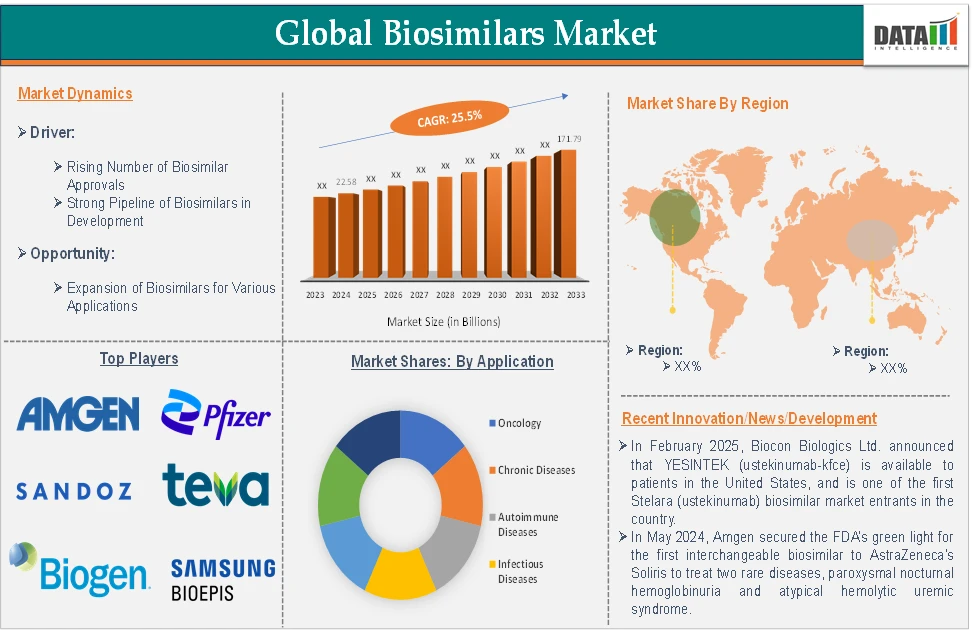
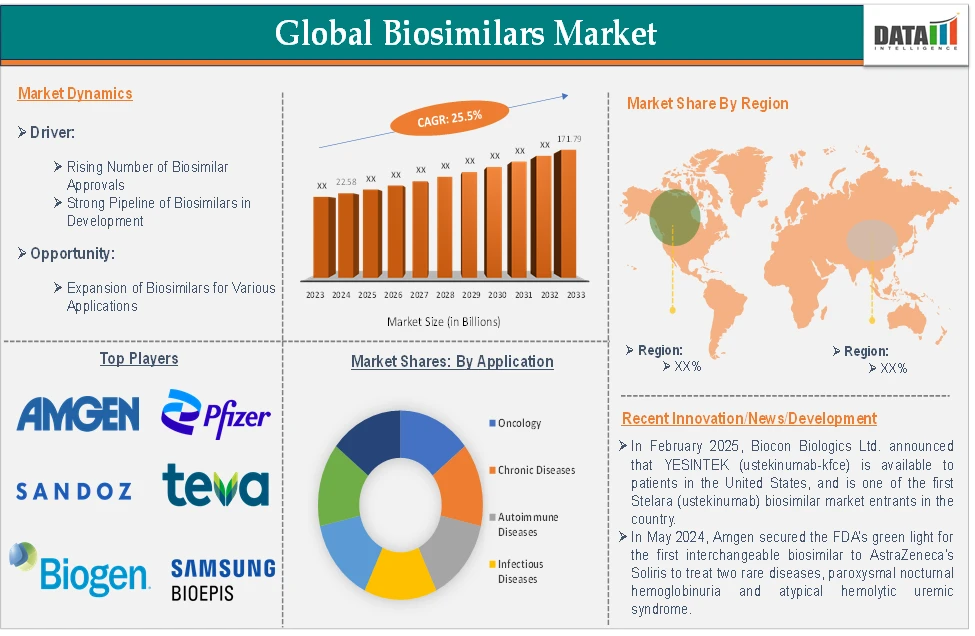
The global biosimilars market is rapidly transforming healthcare by offering affordable alternatives to expensive biologic drugs. In 2024, the biosimilars market was valued at US$ 22.58 billion and as per datamintelligence it is forecasted to skyrocket to US$ 171.79 billion by 2033, growing at a remarkable compound annual growth rate (CAGR) of 25.5%. This surge is fueled by increasing regulatory approvals, rising healthcare cost pressures, and growing demand across therapeutic sectors particularly oncology and the hematology market.
Meanwhile, the RNAi Technology Market is emerging as a revolutionary force in treating genetic and hematological disorders. Together, biosimilars and RNAi therapies are reshaping treatment paradigms, offering synergistic benefits for patients and healthcare systems worldwide.
What Are Biosimilars?
Biosimilars are biological medical products that closely resemble already approved reference biologics (originator products) with no significant differences in safety, purity, or efficacy. Unlike traditional small-molecule generics, biosimilars involve complex manufacturing processes using living organisms and recombinant DNA technology.
To gain regulatory approval, biosimilars must undergo rigorous analytical, preclinical, and clinical testing to demonstrate similarity to the reference biologic. This ensures they provide the same therapeutic benefits while being more cost-effective.
Market Segmentation: Oncology Leads the Way
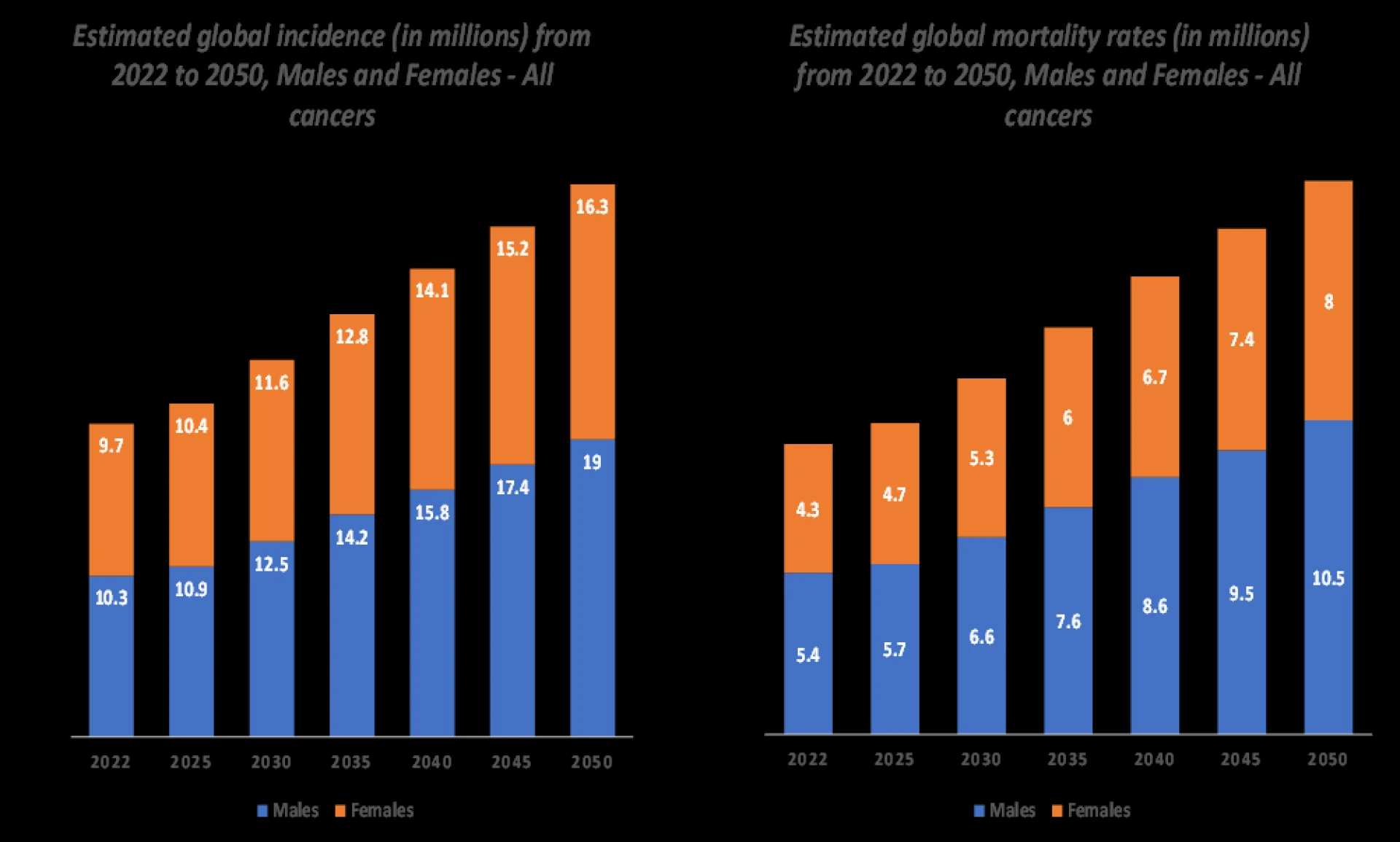
Among the therapeutic areas adopting biosimilars, oncology currently commands the largest market share. The global cancer burden is staggering with nearly 20 million new cases and
9.7 million cancer related deaths in 2022. These figures are projected to rise sharply, reaching 29.9 million new cases and 15.3 million deaths by 2040.
By Product Type (Monoclonal Antibodies, Recombinant Human Growth Hormone (rhGH), Insulin, Anti-coagulants, Erythropoietin, Granulocyte Colony Stimulating Factor, Follitropin, Interferons, Others), By Application (Oncology, Chronic Diseases, Autoimmune Diseases, Infectious Diseases, Growth Hormone Deficiency, Hematology, Others)
This escalating demand for cancer therapies underscores the urgent need for affordable treatment options. Biosimilars play a critical role by reducing costs without sacrificing efficacy or safety, making life-saving cancer drugs more accessible. Consequently, oncology continues to drive the expansion of the biosimilars market, with significant investment funneled into research and development to support this trend.
Expanding Role of Biosimilars in the Hematology Market
The hematology market—which addresses blood and bone marrow diseases such as anemia, hemophilia, leukemia, and other blood cancers has also been revolutionized by biosimilars. Historically, biologic treatments in hematology have been prohibitively expensive, restricting patient access globally.
Biosimilars are changing this narrative by offering comparable therapeutic outcomes at a fraction of the cost. This is especially impactful for chronic blood diseases requiring long-term treatment, such as hematological cancers like leukemia, where cost barriers have often prevented optimal care.
Multiple biosimilars targeting hematology market conditions have already received approval, with many more in development. This expansion promises greater therapeutic options for clinicians and patients, improving accessibility and fostering healthier outcomes worldwide.
The Role of RNAi Technology in Complementing Biosimilars
Parallel to biosimilars’ rise, the RNAi Technology Market is revolutionizing medicine by enabling the targeted silencing of specific genes implicated in disease. Since the FDA approval of the first RNAi drug in 2018, RNAi therapies have shown growing promise in treating genetic and hematologic disorders, such as hemophilia and sickle cell disease.
Unlike biosimilars, which provide cost-effective versions of existing biologics, RNAi therapies offer a novel mechanism to directly target the root genetic causes of disease. This complementary nature creates a powerful synergy between the two technologies, especially for complex blood disorders where improved efficacy and reduced side effects are critical.
As the RNAi Technology Market continues to evolve, it is expected to contribute significantly to future hematology treatments by enhancing precision medicine approaches and expanding the therapeutic arsenal for blood-related disorders.
Synergistic Benefits for Patients and Healthcare Systems
The integration of biosimilars and RNAi therapies holds substantial promise. Patients can access a wider array of personalized treatment options that combine the affordability of biosimilars with the precision of RNAi based approaches.
This multi-faceted strategy has the potential to enhance long-term disease management and quality of life for chronic conditions like cancer and those prevalent in the hematology market.
From a healthcare system perspective, the combined adoption of these therapies could significantly alleviate the financial burden imposed by high cost biologics.
With rising healthcare expenses globally, biosimilars and innovations from the RNAi Technology Market could help balance cost control with therapeutic innovation, ultimately improving outcomes while optimizing resource allocation.
Global Market Dynamics and Future Outlook
The biosimilars market is propelled by strong regulatory backing from authorities such as the FDA (United States) and EMA (Europe), which have progressively approved biosimilars for diverse indications.
Developed markets in the US and Europe lead in biosimilar uptake, but emerging regions, especially Asia-Pacific countries like China and India, are rapidly embracing biosimilars to improve healthcare accessibility in lower-income settings.
Simultaneously, the RNAi Technology Market is expanding on a global scale, with substantial investment and clinical research ongoing worldwide. The convergence of biosimilars and RNAi is anticipated to accelerate breakthroughs in personalized medicine, where treatments are tailored based on individual genetic profiles and financial realities.
This synergy is particularly critical in emerging markets where financial constraints limit access to advanced therapies. Biosimilars and RNAi could democratize access to cutting edge treatments, addressing pressing healthcare disparities across the hematology market and beyond.
Key Industry Players Driving Innovation
Several leading companies are spearheading growth in biosimilars and RNAi markets:
Top biosimilar companies includes Amgen Inc., Pfizer Inc., Sandoz Group AG, Teva Pharmaceuticals USA, Inc., Biogen, Biocon Biologics Inc., Boehringer Ingelheim International GmbH, Samsung Bioepis, Dr. Reddy’s Laboratories Ltd., Fresenius Kabi AG and among others.
- Sandoz (Novartis division): A biosimilars pioneer with a robust portfolio across oncology, hematology, and autoimmune diseases.
- Amgen: A major biosimilar developer with expertise in oncology and hematology.
- Pfizer: Active in biosimilar development and commercialization with a strong pipeline.
- Samsung Bioepis: A South Korean biosimilar leader focusing on oncology and immunology.
- Alnylam Pharmaceuticals: The leading RNAi company, known for the first FDA approved RNAi drug and ongoing innovation.
- Arrowhead Pharmaceuticals: Specializes in RNAi therapies for liver and genetic diseases.
- Ionis Pharmaceuticals: Advances antisense and RNAi therapies targeting genetic and rare diseases.
These companies continue to invest heavily in research, clinical trials, and strategic partnerships to expand access to affordable, innovative therapies worldwide fueling growth across both the biosimilars space and the RNAi Technology Market.
Conclusion
The biosimilars market is entering a transformative phase marked by exponential growth and expanded applications in oncology and the hematology market. Expected to surpass US$ 170 billion by 2033, biosimilars are poised to become a cornerstone of modern healthcare, offering cost-effective alternatives to high-priced biologics.
At the same time, the RNAi Technology Market offers a revolutionary means to treat genetic and hematological diseases, complementing biosimilars by targeting disease at the molecular level. Together, these advancements herald a new era of personalized, accessible, and effective therapies that promise better patient outcomes and alleviate the financial strain on healthcare systems worldwide.