Managing student attendance has always been an important responsibility for schools. Traditional methods such as manual attendance registers, paper-based records, and roll calls can be time-consuming, prone to errors, and difficult to maintain. With the advancement of technology, schools are now adopting digital solutions like a Biometric Attendance System for Schools to improve accuracy, security, and efficiency.
A biometric attendance system uses unique biological characteristics such as fingerprints, facial recognition, or iris patterns to identify students and staff. By automating attendance tracking, schools can save valuable time, reduce paperwork, and maintain reliable attendance records.
What Is a Biometric Attendance System for Schools?
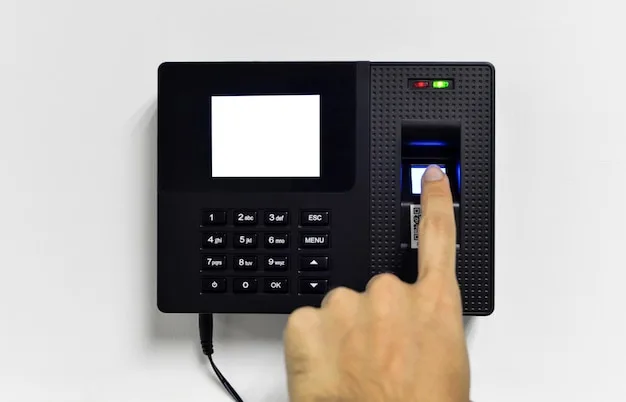
A Biometric Attendance System for Schools is an automated attendance management solution that records the presence of students and employees using biometric identification technology. Instead of signing attendance sheets or responding to roll calls, students can simply verify their identity through a fingerprint scanner, facial recognition device, or other biometric methods.
The system stores attendance data digitally and allows school administrators, teachers, and parents to access accurate attendance information whenever needed.
How Does a Biometric Attendance System Work?
A biometric attendance system generally works through the following steps:
Student Registration
The school registers each student’s biometric information, such as fingerprints or facial data, into the attendance system.
- Identity Verification
When students enter the school premises, they verify their identity using a biometric device.
- Attendance Recording
The system automatically records the student’s entry time and updates the attendance database.
- Data Management and Reporting
Administrators can generate attendance reports, monitor attendance patterns, and identify students with frequent absences.
- Notifications and Integration
Advanced systems can send attendance alerts to parents and integrate with school management software.
Benefits of a Biometric Attendance System for Schools
1. Improved Attendance Accuracy
Manual attendance methods can lead to mistakes such as incorrect entries, duplicate records, or proxy attendance. A biometric system ensures that attendance is recorded only when the actual student is present, improving accuracy and reliability.
2. Prevents Proxy Attendance
One of the biggest challenges in schools is students marking attendance on behalf of their classmates. Since biometric systems use unique physical identifiers, they significantly reduce the chances of fake attendance.
3. Saves Time for Teachers
Taking attendance manually can consume several minutes of class time every day. Automated biometric attendance allows teachers to focus more on teaching rather than administrative tasks.
4. Enhances School Security
Biometric attendance systems help schools maintain better control over student movement. They can track entry and exit times, helping administrators know who is present on campus.
5. Provides Real-Time Attendance Monitoring
Modern attendance systems allow schools to monitor attendance data instantly. Parents and administrators can receive updates about student attendance, improving communication and accountability.
6. Reduces Paperwork
Digital attendance records eliminate the need for maintaining physical registers. Schools can store, manage, and retrieve attendance data easily while reducing administrative workload.
7. Helps Identify Attendance Trends
Schools can analyze attendance reports to identify patterns such as frequent absenteeism or late arrivals. This allows teachers and administrators to take timely action.
Types of Biometric Attendance Systems Used in Schools
Fingerprint Attendance System
Fingerprint-based attendance systems are among the most commonly used solutions. They are affordable, easy to operate, and provide quick identification.
Facial Recognition Attendance System
Facial recognition systems use cameras and artificial intelligence to identify students without physical contact. They are useful for schools looking for faster and more hygienic attendance solutions.
Iris Recognition System
Iris recognition uses the unique patterns of a person’s eyes for identification. Although highly accurate, it is less commonly used due to higher implementation costs.
Features to Look for in a School Biometric Attendance System
When selecting a biometric attendance system, schools should consider the following features:
- Fast and accurate identification
- Cloud-based attendance management
- Student and staff database management
- Parent notification features
- Attendance reports and analytics
- Integration with school management software
- Secure data storage
- User-friendly interface
- Multi-device support
Why Schools Should Adopt Biometric Attendance Technology
Schools are increasingly moving toward digital transformation, and attendance management is an important part of this process. A Biometric Attendance System for Schools helps create a more organized, transparent, and efficient environment.
By reducing manual work and improving attendance monitoring, biometric technology allows schools to focus on their primary goal: providing quality education. It also encourages students to develop discipline and responsibility by maintaining consistent attendance habits.
Challenges of Implementing Biometric Attendance Systems
While biometric attendance systems offer many advantages, schools should also consider certain challenges:
Data Privacy
Biometric information is sensitive data, so schools must ensure proper security measures, encryption, and compliance with applicable data protection regulations.
Initial Investment
The cost of purchasing biometric devices and implementing software may be higher than traditional attendance methods. However, long-term benefits often justify the investment.
Technical Maintenance
Schools need reliable technical support to maintain devices, update software, and resolve operational issues.
Future of Biometric Attendance Systems in Schools
The future of attendance management is expected to become more advanced with the integration of artificial intelligence, cloud technology, and automation. Facial recognition, mobile-based verification, and smart analytics will continue to improve how schools manage attendance.
As educational institutions embrace digital solutions, biometric attendance systems will play an important role in creating safer and more efficient campuses.
Conclusion
A Biometric Attendance System for Schools is a powerful solution that simplifies attendance management while improving accuracy, security, and productivity. By replacing traditional attendance methods with automated biometric technology, schools can save time, reduce errors, and maintain better records.
For modern educational institutions, investing in a reliable biometric attendance system is a step toward building a smarter, more connected, and digitally advanced learning environment.