Introduction to Modern Visual Technology
Evolution of Display Solutions
If you look at how display technology has changed over the years, it’s actually quite interesting. Earlier, people used bulky TVs and small screens that didn’t offer much clarity or size. Then came flat screens like LCD and LED, which improved quality and design. But even with all these improvements, one thing stayed important—people always wanted bigger screens.
This is where projectors come in. They have been around for a long time, but they have improved a lot with new technology. Today’s projectors are not like the old ones. They are smarter, brighter, and much easier to use.
Projectors give you something that normal screens cannot easily provide—a very large display without taking up too much space. Whether you are watching a movie, giving a presentation, or teaching a class, the experience feels bigger and more engaging.
Rise of Projectors in Digital Era
Even in today’s world of smart TVs and advanced displays, projectors are still very popular. Why? Because they offer a unique experience. Watching something on a large projected screen feels more like being in a cinema.
Modern projectors also come with smart features. You can connect them to Wi-Fi, stream videos, and even use apps directly. This makes them useful not only in offices but also at home.
People today want flexibility and better experiences. Projectors provide both. You can use them in different places and create a big-screen experience anytime.
What is a Projector and How Does It Work?
Basic Working Principle
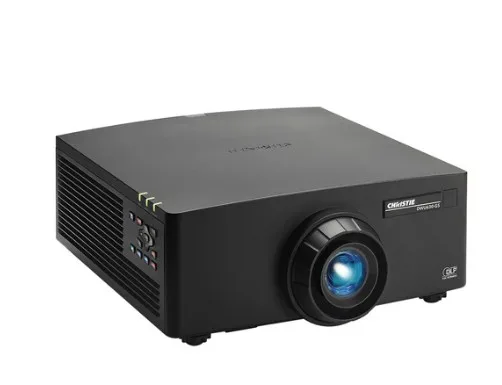
A projector is a device that takes an image or video and shows it on a large surface like a wall or screen. It works by using light and lenses to make the image bigger.
Inside the projector, a light source shines through a small image. This image is then passed through lenses, which enlarge it and project it onto a surface. That’s how a small image becomes a big screen.
It may sound simple, but the technology behind it is quite advanced. The goal is always the same—to show clear, bright, and sharp visuals.
Types of Projector Technologies
There are different types of projectors available today. The most common ones are LCD, DLP, and laser projectors.
LCD projectors are known for clear and colorful images. DLP projectors are good for smooth video playback. Laser projectors are more advanced and offer better brightness and longer life.
Each type has its own use. For example, schools may use LCD projectors, while home theaters often use laser projectors for better quality.
Why Projectors Still Matter Today
Cost-Effective Large Displays
One of the biggest reasons people choose projectors is cost. If you want a very large screen using a TV, it can be very expensive. But with a projector, you can get a huge screen at a much lower price.
This makes projectors a smart option for businesses, schools, and even homes. You get more screen size without spending too much money.
Flexibility and Portability
Projectors are also very flexible. You can move them easily and use them in different places. You are not stuck with one fixed setup.
For example, you can use a projector in a meeting room during the day and for a movie night at home in the evening. This flexibility makes them very useful.
Advantages of Projectors
Bigger Screen Experience
Projectors can create very large screens, often 100 inches or more. This is perfect for watching movies, giving presentations, or teaching a group of people.
A bigger screen means everyone can see clearly, even from a distance. It also makes the experience more enjoyable and immersive.
Space Saving Benefits
Another advantage is that projectors save space. You don’t need a large TV or display panel. All you need is a small device and a wall or screen.
When you are not using it, your space stays clean and free. This is especially useful in small rooms or offices.
Where Projectors Are Widely Used
Education Sector
In schools and colleges, projectors help teachers explain topics better. They can show videos, images, and presentations on a large screen.
This makes learning more interesting and easier to understand for students.
Corporate and Business Use
In offices, projectors are used for meetings and presentations. They help teams share ideas clearly and work together better.
Home Entertainment
Many people now use projectors at home for movies and gaming. It feels like having your own home theater.
Key Features of Modern Projectors
High Resolution and Brightness
Modern projectors offer high-quality images with good brightness. This means you can use them even in rooms with light.
Some projectors also support Full HD and 4K, which gives very clear and sharp visuals.
Smart Connectivity Options
Today’s projectors come with many connection options like Wi-Fi, Bluetooth, and HDMI. Some even allow direct streaming from apps.
This makes them easy to use with different devices like laptops, phones, and streaming boxes.
Projectors vs LED Displays
Simple Difference Explained
Projectors and LED displays both have their own advantages. Projectors are better when you want a very large screen at a lower cost. They also give a more cinematic experience.
LED displays are fixed screens and usually smaller compared to projectors. They are good for everyday use but can become expensive if you want a very large size.
So, if your goal is a big screen and flexibility, projectors are a better choice. If you want a simple fixed display, LED screens work well.
Future Trends in Projection Technology
Laser Projectors
Laser projectors are becoming more popular because they last longer and need less maintenance. They also provide better brightness and color quality.
4K and Smart Integration
New projectors now support 4K resolution and smart features. This means better picture quality and easier usage.
In the future, projectors will become even smarter and more powerful.
Conclusion
Projectors continue to be a strong choice for anyone who wants a big and engaging visual experience. They are flexible, cost-effective, and easy to use.
Whether it’s for business, education, or entertainment, projectors help deliver clear and impactful visuals. As technology improves, they will only become more useful and popular.