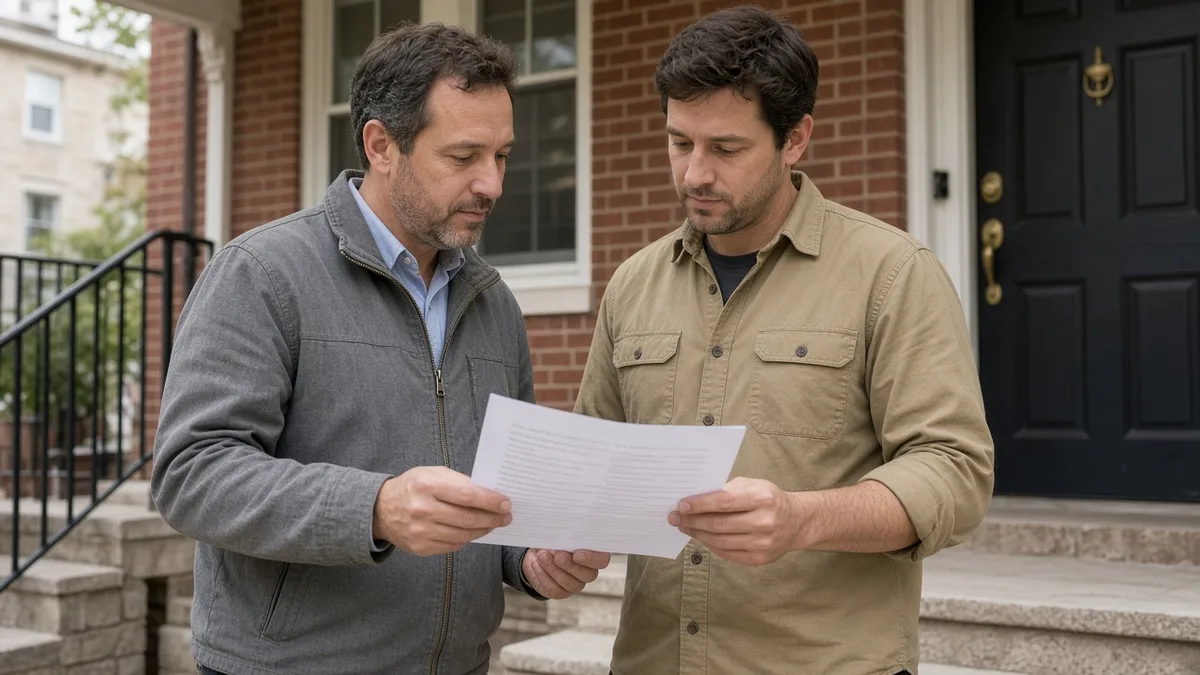
A landlord with six units between South Philadelphia and Claymont checks the usual portals every week. When a unit is empty, it goes up. When he wants to buy, he watches the feed. The system works, until it does not. A good tenant chooses a building with a clearer website. A seller with a tired house never sees his name. The portals did their job. They simply were not the whole job.
That is a common pattern among small investors in the Delaware Valley. The work is local and practical. The public trail is often a mix of old Facebook posts, a portal inbox, and a business card that still has a former partner's number. When someone looks beyond the listing, they do not find much, and they move on.
What a small trail should include
You do not need a large brand. You need a simple home base with your name, the areas you serve, and a way to make contact. If you rent, explain how to apply and what tenants can expect from repairs. If you buy, explain the kinds of properties you consider and the towns you actually work in. A single honest page is better than a stack of vague claims about being a leading regional investor.
If you work with a bookkeeper, a contractor, or a property manager, decide whether they should be mentioned at all, and keep those mentions current. A stale team list can be as confusing as no list. The page should feel like it belongs to the business as it is this year, not as it was when you first bought a domain.
Keep the name and the phone number consistent. If the portal, the site, and the voicemail all say slightly different things, a cautious person will feel it. Photos should look like the kind of properties you handle, without exposing a current tenant's private life. Reviews, when you can get them fairly, help more than slogans.
Portals are a channel, not a company page
The feed is useful because people already use it. It is also rented, crowded, and easy to disappear into. A message that lives only inside a portal can be missed, and a listing that expires leaves nothing behind. Point the public listings back to a place you control, and answer inquiries in a way that still feels personal. If all of your reputation sits on a platform you do not own, a rule change or a closed account can take it with it.
This is especially true when you work across a state line. A tenant in Delaware and a seller in Pennsylvania may not see you in the same place. A small site that names both, honestly, can hold those two audiences together.
When it is time to get help
Many investors type marketing help near me after a quiet month, or after a messy attempted site they never finished. Nearby help is useful if the partner will take the time to understand a small portfolio, not a brokerage. You want someone who can clean up the contact path, help you write a clear page, and keep the facts aligned. You do not need a campaign built for a firm with a dozen agents.
Practical seo services for real estate investors should stay close to the work you already do. If you buy two or three houses a year in a handful of neighborhoods, the pages should say so. If you are primarily a landlord, the site should not pretend you are a high volume buyer. The wrong kind of visibility creates the wrong kind of phone calls, and small operators feel that cost quickly.
Meet the partner if you can, and bring a simple inventory of what you already use: portals, social accounts, a domain, a phone number. Ask what they would fix first, and what they would leave alone. A good plan for this kind of business is usually short. If a proposal includes a long content calendar, a redesigned logo, and a paid campaign in the first month, ask whether any of that is needed before the contact path works.
A pace that a small operator can keep
Set a quarterly reminder to check the site, the listings, and the contact details. After you buy, sell, or fill a unit, update anything that would now be misleading. This is not a full marketing department. It is a habit that prevents the trail from rotting between deals.
If you add help, keep the scope in writing. Who updates the site? Who answers the new inquiry path? What happens to the domain and the pages if you stop working together? Those questions matter more when there is no staff to inherit the mess.
Common questions from small investors
Do I need a blog about investing? No. A few clear pages about your work will serve sellers and tenants better than a stream of generic advice.
Should I advertise in both Pennsylvania and Delaware? Only if you truly work in both, and only if the site and the phone path are ready for both. Otherwise, start with the area you can serve well.
What if I want to stay private? You can be reachable and still be careful. Use a company name if you have one, avoid publishing a complete property list, and be precise about how people should contact you.
Can I wait until I have a larger portfolio? You can, and you may lose good inquiries in the meantime. A small, accurate presence is enough to start, and it is easier to build before the trail becomes a tangle.
Build a trail that still works when the listing comes down
Use the portals, but do not live only inside them. Give sellers and tenants a simple way to see who you are and how to reach you, keep the facts consistent, and get help that respects the size of the business. In a region this connected, the investors who are easy to find and easy to trust will often see the next conversation first.