In the modern industrial landscape, water is no longer viewed merely as a utility to be consumed and discarded; it is a critical asset to be managed, preserved, and optimized. As scrutiny on environmental impact tightens and utility costs continue to rise, businesses across the globe are shifting from linear water usage to circular models. Whether you manage a commercial car wash, a heavy equipment depot, or a golf course maintenance facility, implementing a high-efficiency water reclaim system is the single most effective step you can take toward operational resilience. In this post, we will explore the diverse applications of water recycling technology, detailing how strategic management, rigorous safety compliance, and a commitment to sustainability can turn your wastewater challenges into a competitive advantage.
The Scope of Modern Water Recycling Applications
Water recycling is not a "one-size-fits-all" solution. The specific contaminants, volume, and intended reuse of the water dictate the technology required. From removing heavy sludge to separating emulsified oils, modern systems are engineered to handle distinct industrial challenges.
Commercial and Heavy Vehicle Washing
Perhaps the most common application lies in vehicle washing. Whether it is a tunnel car wash, a bus depot, or a trucking fleet, these operations consume massive volumes of water—often upwards of 50 to 100 gallons per vehicle.
- The Challenge: The wastewater here is a cocktail of mud, brake dust, road salts, and hydrocarbons (oil and grease).
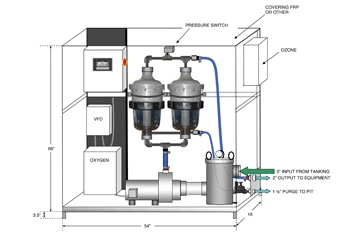
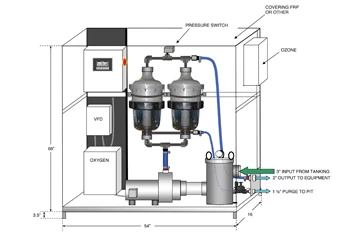
- The Application: specialized reclaim systems, such as the Freylit Ekolit range, are designed to capture this runoff. By employing hydro-cyclones for solids removal and advanced oil-water separators, these systems can recover up to 90% of the wash water. This reclaimed water is then polished and pressurized for reuse in the initial wash cycles, significantly cutting fresh water dependency.
Industrial Equipment and Wash Pads
Beyond standard vehicles, heavy machinery used in construction, mining, and agriculture requires rigorous cleaning.
- The Challenge: "Muck" is the primary enemy here. Heavy clay, large aggregate, and hydraulic fluids create a dense sludge that can easily clog standard municipal sewer lines or damage lighter filtration systems.
- The Application: Industrial wash pads equipped with solids settling tanks and high-capacity reclaim units are essential. These systems are robust enough to handle high-particulate loads, ensuring that the heavy equipment is clean without the facility running afoul of environmental discharge regulations.
Strategic Water Management Strategies
Implementing a recycling system is not just about buying hardware; it is about adopting comprehensive water management strategies that integrate seamlessly with your daily operations.
The Closed-Loop Philosophy
For many businesses, the ultimate goal is a "closed-loop" system. In this configuration, water is continuously recycled within the facility with zero discharge to the sanitary sewer.
- Balancing the System: A successful closed-loop strategy requires precise water balancing. The system must account for "drive-off" (water that leaves on the vehicle) and evaporation. It automatically tops up with fresh water only when necessary.
- Rainwater Integration: Advanced strategies also involve diverting rainwater away from the reclaim system to prevent flooding the tanks, or conversely, harvesting it to replenish the system naturally.
Oil-Water Separation Technologies
Effective management relies heavily on the ability to separate oil from water. In many jurisdictions, discharging water with oil content above 10-15 ppm (parts per million) is illegal.
- Corrugated Plate Interceptors (CPI): Many modern systems utilize CPI technology within their oil-water separators. These plates increase the surface area, allowing oil droplets to coalesce and rise to the surface faster.
- Post-Separation Treatment: Once the oil is separated, it is skimmed off into a waste oil container for proper disposal/recycling, while the water proceeds to further filtration. This distinct separation is critical not just for compliance, but for protecting the filtration media downstream from becoming fouled with grease.
Navigating Regulations and Safety
The regulatory environment regarding wastewater is becoming increasingly complex. Ignoring regulations and safety protocols can lead to severe fines, operational shutdowns, and reputational damage.
Compliance with Environmental Standards
The EPA and local municipal water authorities have strict guidelines on what can be sent down the drain.
- The NPDES Permit: In the United States, the National Pollutant Discharge Elimination System (NPDES) permit program addresses water pollution by regulating point sources that discharge pollutants. A robust recycling system often negates the need for difficult discharge permits by keeping the water on-site.
- Local Sewer Codes: Even if you are connected to the sewer, you are likely subject to limits on heavy metals, pH levels, and Fats, Oils, and Grease (FOG). Installing a certified reclaim system demonstrates due diligence and compliance, often shielding the business from aggressive inspections.
Degerming and Odor Control Safety
One of the primary safety concerns with recycled water is the growth of bacteria. Stagnant, nutrient-rich dirty water is a breeding ground for pathogens (like Legionella) and anaerobic bacteria that produce hydrogen sulfide (the "rotten egg" smell).
- Chemical-Free Solutions: Older systems relied on harsh chemicals like chlorine or ozone, which can be corrosive to equipment and hazardous to staff. Modern leaders in the industry, like Freylit, advocate for chemical-free degerming.
- Advanced Sterilization: Techniques such as high-voltage electrodes or physio-kinetic water stabilization are now used to kill bacteria and control algae without introducing toxins. This ensures the safety of the employees spraying the water and prevents the corrosion of the wash equipment.
Building Sustainable Operations
Sustainability is no longer a corporate buzzword; it is an operational imperative. Sustainable operations are resilient operations, capable of weathering droughts, price hikes, and supply chain disruptions.
Reducing the Environmental Footprint
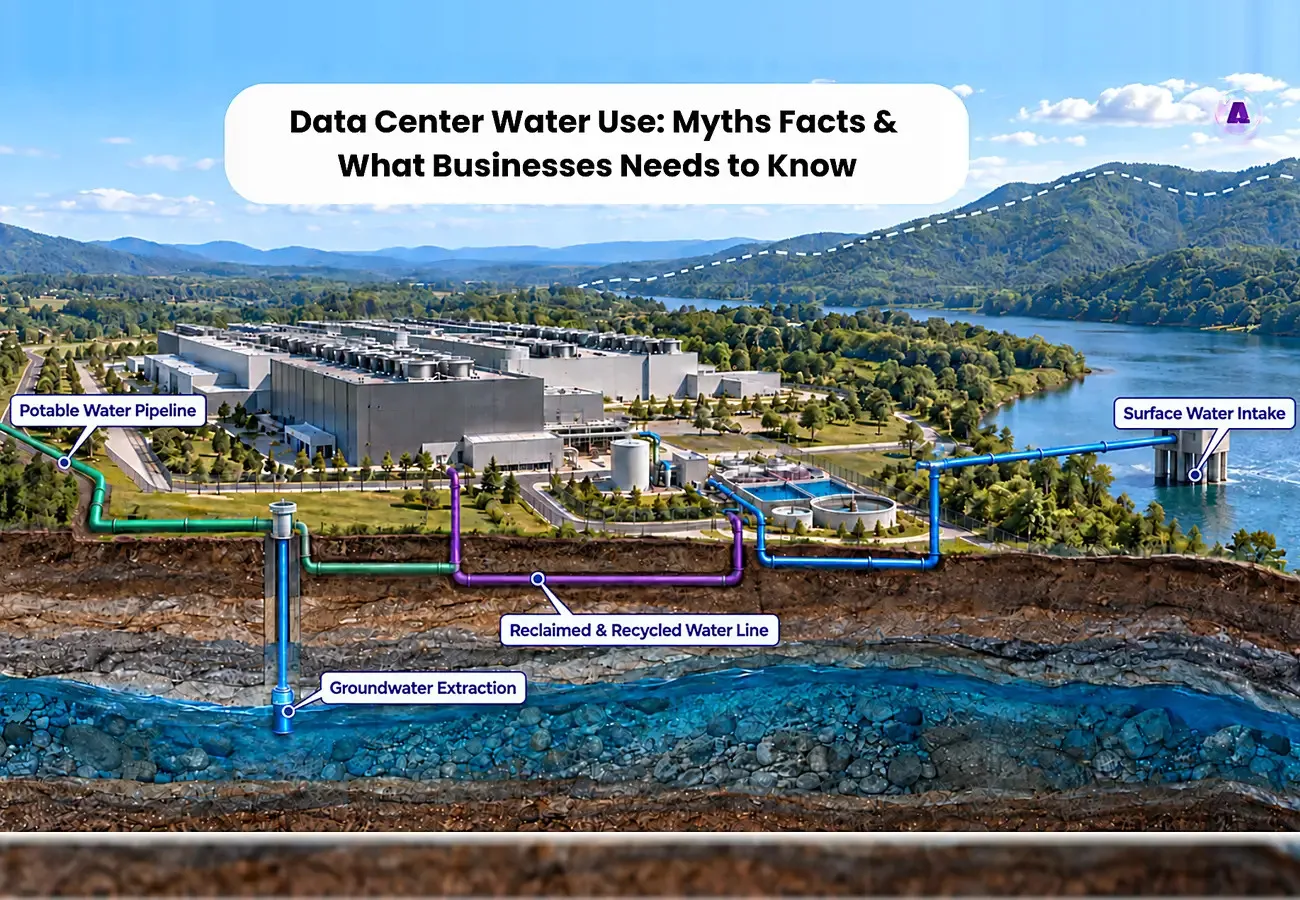
The ecological argument for water recycling is undeniable. By reusing water, a facility drastically reduces its draw on local aquifers and reservoirs.
- Drought Resilience: In regions prone to drought, water restrictions can force car washes and industrial cleaners to reduce hours or close entirely. A facility with a reclaim system is often exempt from these restrictions because their fresh water usage is negligible.
- protecting Watersheds: By capturing and treating runoff, businesses prevent phosphates, heavy metals, and oils from leaching into the soil or entering storm drains that lead to rivers and oceans.
The Economics of Sustainability
Sustainability also refers to the financial health of the business.
- Return on Investment (ROI): While the initial capital expenditure for a reclaim system can be significant, the long-term savings are substantial. You save money twice: once on the fresh water you don't buy, and again on the sewer fees you don't pay (which are often calculated based on water usage).
- Equipment Longevity: Using properly filtered, non-corrosive reclaimed water can actually extend the life of pumps and nozzles compared to using hard, mineral-rich municipal water or chemically treated recycled water.
Conclusion
The applications for water recycling are vast, ranging from keeping a fleet of delivery trucks clean to maintaining the pristine condition of heavy industrial machinery. However, the principles of success remain the same across all industries. By prioritizing intelligent water management strategies, strictly adhering to regulations and safety standards, and committing to sustainable operations, businesses can turn a potential liability into a powerhouse asset.
Investing in a high-quality water reclaim system is not just about cleaning water; it is about clarifying the future of your business. It is a statement that you value efficiency, the environment, and the long-term viability of your operation.