
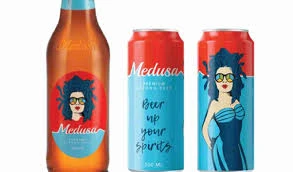
The Indian beer market is undergoing a significant cultural shift. For decades, the choice was simple and often restricted to whatever was available at the local store. However, the modern Indian consumer is no longer just looking for a quick hit. They are looking for an experience. This change in mindset has paved the way for premium beer in India to take centre stage, moving away from mass-produced options toward something far more refined.
There was a time when "strong" simply meant a higher alcohol percentage with little regard for the flavour profile. Most legacy strong beer brands focused on volume and intensity rather than the nuances of the ingredients. Today, the narrative is different. Young professionals and seasoned enthusiasts alike are demanding a balance between kick and craft. They want the punch of a classic lager but with the smooth finish of a world-class brew.
This demand has led to the birth of the Premium Strong Beer category. It is a segment that refuses to compromise. By using high-quality hops and superior malting processes, brands like Medusa are proving that a beer can be potent while remaining incredibly drinkable. It is about the richness of the grain and the crispness of the water, ensuring that every sip feels like a reward after a long day.
Decoding the Premium CraftsmanshipWhat exactly makes a beer "premium" in the Indian context? It starts with the sourcing. In a crowded marketplace, the difference lies in the details. While standard options might use adjuncts to cut costs, a top-tier brew relies on the purity of its ingredients. When you look at the landscape of strong beer brands today, the ones standing out are those that treat the brewing process as an art form rather than a factory line.
The rise of premium beer in India is also tied to the changing social settings of the country. Beer is no longer just a beverage for a dark bar; it is part of brunch culture, high-end sundowners, and sophisticated house parties. In these settings, the bottle on the table says as much about the host as the food being served. Choosing a Premium Strong Beer signals a preference for quality and an appreciation for a well-rounded flavour profile that holds its own against gourmet snacks and spicy Indian starters.
Why Quality Trumps QuantityThe old-school approach to drinking was often about how many bottles one could get through. The new-school approach is about how much you enjoy the one you have. This "less but better" philosophy is the driving force behind the success of premium beer in India. Consumers are now willing to pay a slight markup for a product that doesn't leave them feeling heavy or bloated.
As more homegrown players enter the field, the competition among strong beer brands has shifted from price wars to taste wars. This is great news for the consumer. It means more innovation, better packaging, and, most importantly, a more consistent taste. Whether you are at a beach in Goa or a rooftop in Delhi, the expectation for a high-calibre Premium Strong Beer remains the same: it should be cold, bold, and exceptionally smooth.
The Future of the Indian PintLooking ahead, the industry's trajectory is clear. The lines between "craft" and "commercial" are blurring as commercial brands adopt craft-like standards for their top-shelf offerings. The focus will remain on consistency and brand identity. Medusa, for instance, has built a loyal following by recognising that modern Indian drinkers want a brand that feels contemporary and relatable while delivering a punchy, high-quality liquid.
The era of settling for mediocre brews is over. As we see an influx of global styles adapted to the local palate, the definition of a great drink will continue to evolve. But for now, the gold standard remains a perfectly chilled bottle that balances strength with soul.
FAQ- What defines a strong beer in the Indian market?
Ans: In India, beer is generally categorised by its alcohol by volume (ABV). Strong beers typically have an ABV between 5% and 8%, offering a more robust flavour and a more pronounced kick compared to mild versions.
- How should a premium brew be served for the best taste?
Ans: To truly appreciate the profile of a high-quality lager, it should be served chilled but not ice-cold. Temperatures between 3°C and 7°C allow the malt and hop notes to come through without being masked by extreme cold.
- Are strong beers harder to brew than mild ones?
Ans: The brewing process requires careful fermentation management to ensure that the higher alcohol content does not produce a harsh or "boozy" taste. Balancing that strength with a smooth finish is what sets top-tier brands apart.