The Andaman Islands are often associated with beautiful beaches, turquoise water, and peaceful island escapes. But beneath the surface lies another world waiting to be explored. Colourful coral reefs, tropical fish, and fascinating marine landscapes make the islands an exciting destination for travellers who want to experience something beyond conventional sightseeing.
Scuba diving offers a closer look at this underwater environment. For first-time visitors, understanding the experience, preparation, and safety requirements can make an island holiday even more rewarding.
Why the Andaman Islands Are Popular for Scuba Diving
The Andaman archipelago offers a variety of marine environments, making it an appealing destination for underwater exploration. Divers may encounter schools of tropical fish, coral formations, and other marine life depending on the dive site, season, and underwater conditions.
Havelock Island, officially known as Swaraj Dweep, is one of the best-known locations for recreational diving in the region. Its island atmosphere and access to diving sites attract both beginners and experienced divers.
Travellers researching Scuba diving in Havelock can explore the different experiences available and consider which option suits their comfort level, schedule, and travel plans.
Can Beginners Try Scuba Diving?
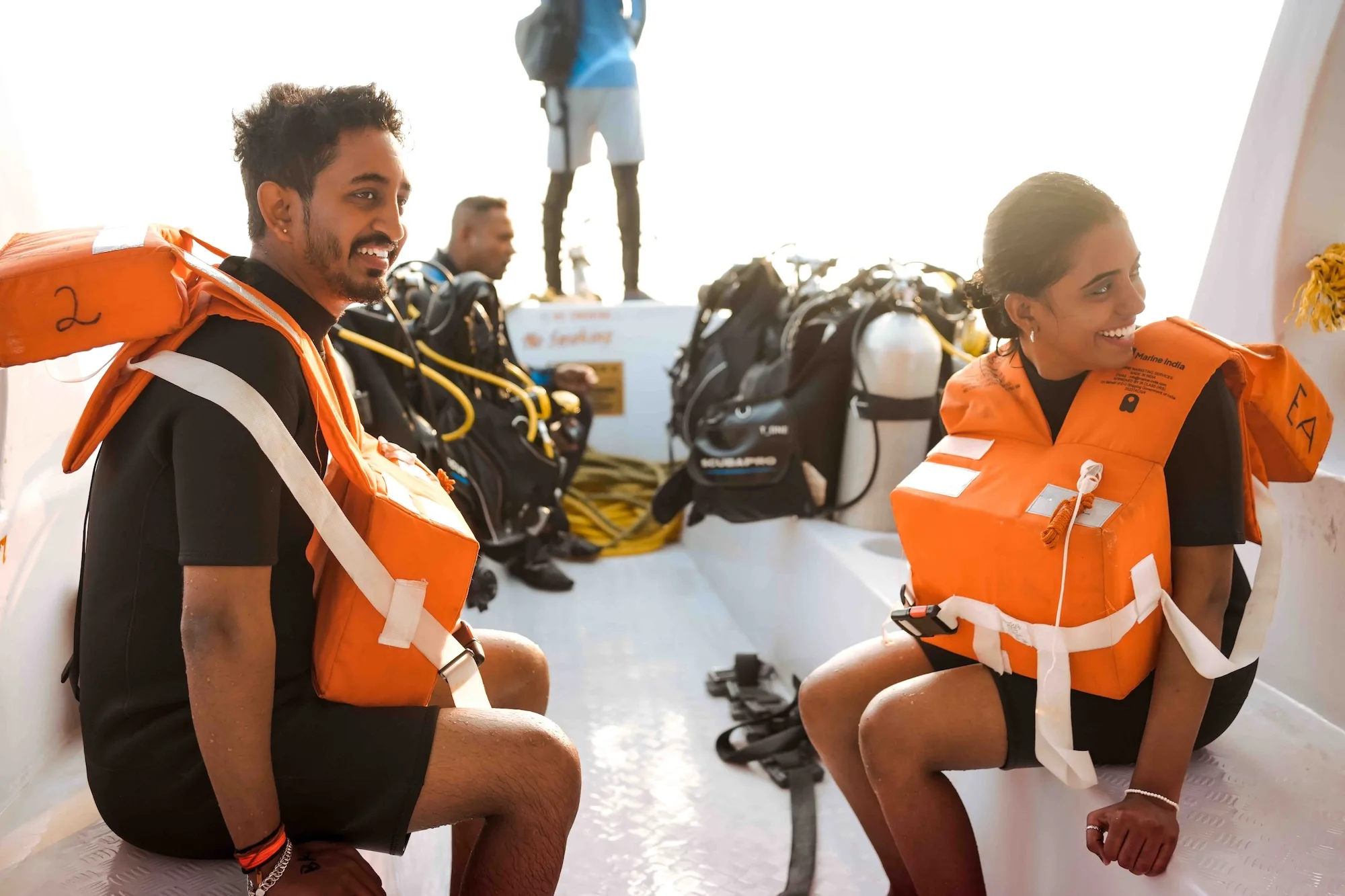
Yes. Many introductory scuba experiences are designed for people without previous diving experience. Participants generally receive an explanation of the basic equipment, underwater communication signals, breathing techniques, and safety procedures before entering the water.
Swimming ability requirements can vary depending on the activity and operator. Travellers should always communicate their experience level, comfort in water, and any relevant health concerns before booking. They should never feel pressured to participate if they are uncomfortable.
A beginner-friendly experience should prioritise proper instruction, suitable equipment, and supervision rather than simply taking participants underwater quickly.
What to Expect During Your First Dive
A first scuba experience usually begins with a briefing. The instructor explains how the equipment works and demonstrates essential techniques. Participants also learn how to communicate underwater using hand signals.
After the briefing, the experience progresses according to the selected programme and local conditions. Beginners are guided through the process, with the instructor helping them become comfortable with breathing through the regulator and moving underwater.
The most memorable part is often the moment when the underwater environment comes into view. Instead of watching marine life through a boat window, divers can observe the surrounding reef from a different perspective.
Choosing the Right Diving Experience
Not every traveller has the same goals. Some want to try scuba diving once, while others hope to develop their skills through a recognised certification programme.
Before choosing an activity, consider:
- Experience level: Select an introductory dive or training programme that matches your background.
- Instructor guidance: Check the instructor's qualifications and the supervision arrangements.
- Equipment: Ask whether suitable diving equipment is provided.
- Health and safety: Understand the medical requirements, safety briefing, and cancellation policy.
- Time: Allow enough time for the activity instead of squeezing it into a rushed itinerary.
People planning Scuba diving in Andaman can use these points to compare available experiences and prepare for a more comfortable adventure.
Responsible Diving Helps Protect Marine Life
The underwater environment is delicate. Coral reefs and marine habitats can be affected by careless human activity, even when the damage is unintentional.
Divers should avoid touching or standing on corals, maintain suitable distance from marine animals, and follow their instructor's guidance. Feeding marine life, collecting underwater objects, or chasing animals for photographs should also be avoided.
Responsible diving is not only about personal safety; it is also about respecting the ecosystem that makes the experience possible.
Planning Your Andaman Diving Holiday
A little preparation can make a significant difference to an island trip. Travellers should check seasonal weather conditions, boat schedules, activity availability, and the time required for their chosen dive.
It is also important to follow post-dive safety guidance, including the recommended interval before flying. Divers should follow the instructions of their qualified dive professional and avoid rushing between activities.
The Andaman Islands offer much more than scenic beaches. With thoughtful planning, suitable guidance, and respect for the marine environment, scuba diving can become one of the most memorable parts of an island holiday.
Frequently Asked Questions
1. Is scuba diving in Andaman suitable for beginners?
Yes. Introductory experiences are available for beginners, subject to the operator's requirements, health considerations, and local conditions.
2. Do I need a scuba diving certificate for an introductory dive?
Generally, no. Introductory dives are designed for people without certification, while independent recreational diving requires appropriate certification and experience.
3. Is Havelock Island a good place to try scuba diving?
Havelock Island is a popular diving destination in the Andaman region, with experiences for different levels of divers.
4. What should I check before booking a dive?
Check instructor qualifications, safety procedures, equipment, participant requirements, weather conditions, and the activity's cancellation policy.
5. How can I help protect coral reefs while diving?
Maintain neutral buoyancy, avoid touching corals, do not disturb marine animals, and follow responsible diving practices.