Muscle aches, spasms, and stiffness are everyday, disrupting daily life whether from desk work, nighttime cramps, or post-workout soreness. This discomfort can range from minor to debilitating, but relief is achievable. Understanding practical approaches to muscle relaxation, from home remedies to medical interventions, can provide much-needed comfort and restore mobility.
This comprehensive guide explores natural and medical strategies designed to alleviate muscle discomfort and restore function. We'll delve into common causes of pain and spasms, detail various relaxation techniques, discuss proper usage, and offer prevention tips. By the end, you'll have the knowledge to proactively address muscle tension and understand options for a muscle relaxer, supporting your overall well-being.
Understanding Muscle Aches And Spasms
Before diving into relief strategies, it's helpful to understand what causes these unwelcome muscle sensations.
A muscle cramp is an involuntary, often painful, contraction of a muscle or a group of muscle fibers. When these contractions persist and create a taut, tender band within a muscle, they are often referred to as "muscle knots" or trigger points. These knots can be felt as small, hard lumps under the skin and can cause localized pain or even pain that radiates to other areas (referred pain).
Overuse/Injury
Strains, sprains, or engaging in intense, unaccustomed exercise are frequent culprits. Repetitive motions can also lead to chronic muscle tension.
Dehydration & Electrolyte Imbalance
Muscles need proper hydration and a balance of electrolytes like potassium, magnesium, and calcium to function correctly. A deficiency in these can lead to cramping and spasms.
Poor Posture
Sustained awkward positions, whether at a desk, while driving, or even sleeping, can put chronic strain on specific muscle groups, leading to tension, especially in the neck, shoulders, and lower back.
Stress & Anxiety
Psychological stress often manifests physically, causing involuntary muscle clenching and tightening, particularly in the upper body.
Underlying Medical Conditions
In some cases, persistent muscle pain or spasms can be a symptom of conditions like fibromyalgia, nerve compression (e.g., sciatica), or thyroid disorders.
Natural Approaches To Muscle Relaxation
For many everyday muscle aches and spasms, natural, non-pharmacological methods can be highly effective and are often the first line of defense.
Static Stretching
Holding a gentle stretch for 20-30 seconds can help lengthen tight muscles and improve flexibility.
Dynamic Stretching
Controlled movements like arm circles or leg swings warm up muscles and prepare them for activity, reducing spasm risk.
Yoga/Pilates
Regular practice of these disciplines can significantly improve overall flexibility, strengthen core muscles, and enhance body awareness, preventing future tension.
Heat
Applying heat (e.g., a heating pad, warm bath, hot shower) increases blood flow to the area, which helps relax tight muscles and ease pain. It's best for chronic stiffness.
Cold
An ice pack applied for 15-20 minutes reduces inflammation, numbs pain, and constricts blood vessels, which is beneficial for acute injuries or sudden spasms.
Alternating
Some find alternating between hot and cold therapy can be specifically effective, as it creates a "pumping" action that can reduce swelling and promote circulation.
Self-Massage
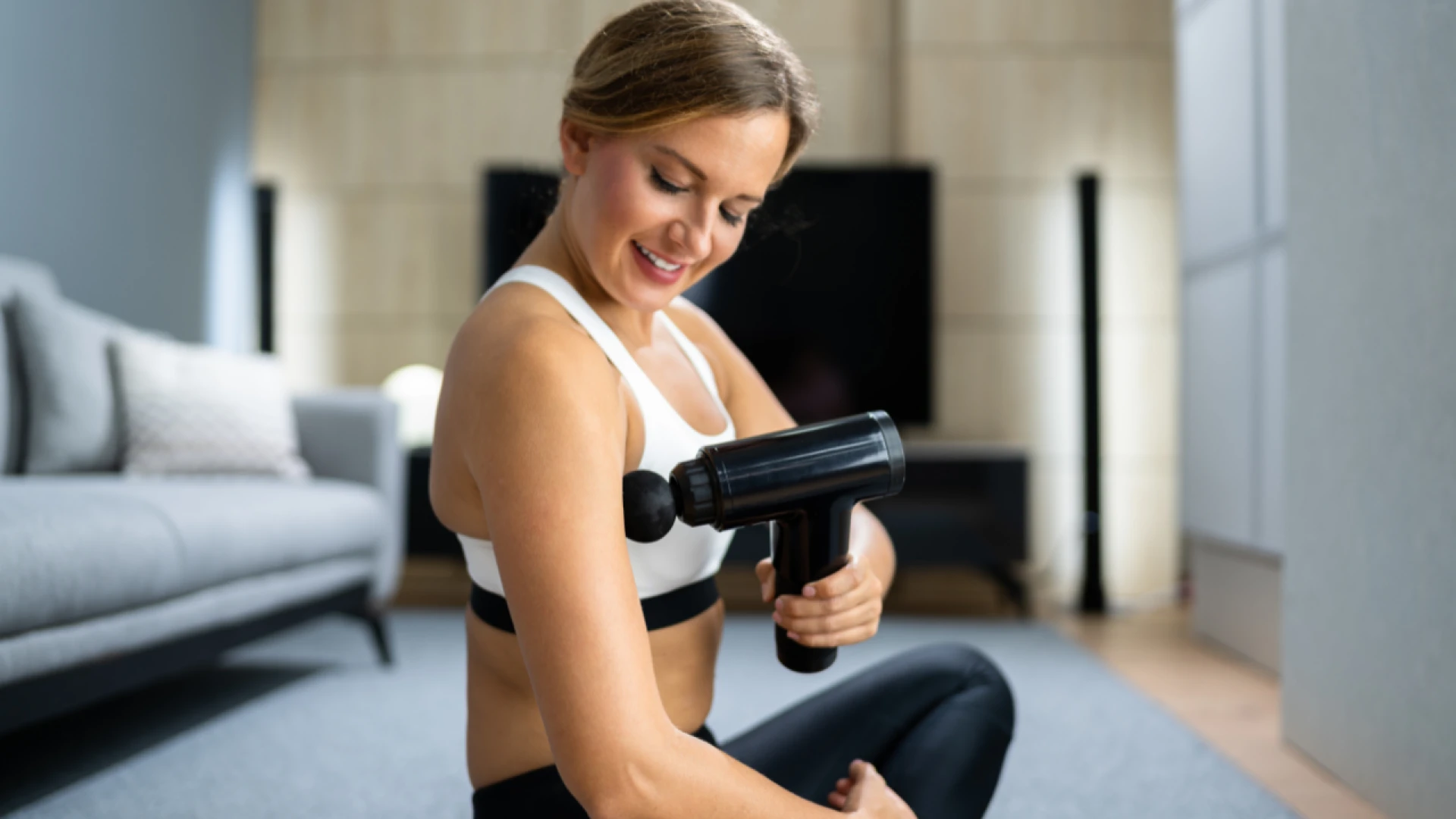
Tools like foam rollers, lacrosse balls, or handheld massagers allow you to apply targeted pressure to muscle knots, helping them release.
Professional Massage
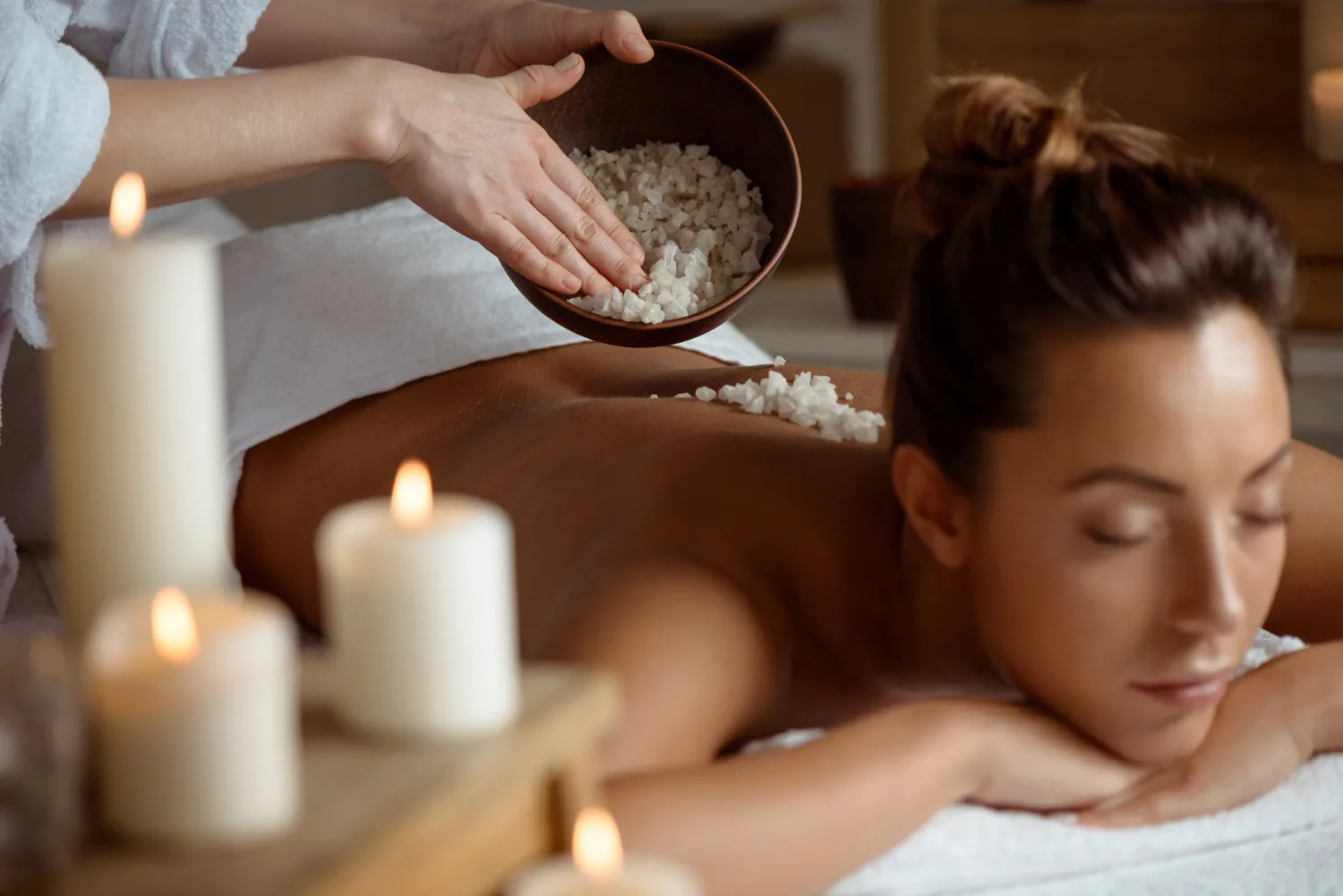
A licensed massage therapist can use method like deep tissue, Swedish, or trigger point therapy to deeply release tension and improve blood flow.
Benefits
Massage directly helps to break up muscle adhesions, release tension, and improve circulation, flushing out waste products.
Water
Staying adequately hydrated is important for muscle function. Dehydration is a usual cause of muscle cramps and stiffness.
Electrolytes
Ensure your diet includes enough potassium (bananas, potatoes), magnesium (leafy greens, nuts), and calcium (dairy, fortified foods), as these minerals are vital for proper muscle contraction and relaxation.
Anti-inflammatory Foods
Incorporate foods rich in antioxidants and anti-inflammatory mixture, such as fruits, vegetables, and omega-3 fatty acids (found in fatty fish), to help reduce systemic inflammation that can contribute to muscle pain.
Magnesium
Often recommended as a supplement for muscle cramps and tension, as many individuals are deficient in this essential mineral.
Turmeric/Curcumin
Known for its powerful natural anti-inflammatory properties.
Valerian Root/Chamomile
These herbs are often used for their calming effects, which can help alleviate stress-induced muscle tension and promote better sleep.
CBD/Cannabinoids
There's growing interest in CBD products (topical or oral) for managing pain and inflammation, though research is ongoing, and legality varies by region.
Stress Management
Since stress is a major benefactor to muscle tension, practices like deep breathing exercises, meditation, mindfulness, or even just taking short breaks across the day can significantly reduce overall body tension. Ensuring adequate, restful sleep is also paramount, as it allows muscles to repair and recover.
Medical Approaches To Muscle Relaxers
When natural methods aren't enough, or for more severe conditions, medical approaches may be necessary. These should typically be used under the guidance of a healthcare professional.
NSAIDs (Non-Steroidal Anti-Inflammatory Drugs)
Medications like ibuprofen (e.g., Advil) and naproxen (e.g., Aleve) reduce both pain and inflammation.
Acetaminophen
(e.g., Tylenol) primarily acts as a pain pitcher but does not have significant anti-inflammatory properties.
Topical Creams/Gels
Products containing menthol, capsaicin, or diclofenac can provide localized relief by either creating a warming/cooling sensation or directly reducing inflammation in the area of application.
Prescription Muscle Relaxants
These medications are typically prescribed for acute, severe muscle spasms and act on the central nervous system to reduce muscle contractions.
How they work
They don't directly relax muscles but instead work on the brain and spinal cord to decrease nerve impulses that cause spasms.
Common types
Examples include cyclobenzaprine (Flexeril), tizanidine (Zanaflex), and baclofen (Lioresal).
Side Effects
A common side effect is drowsiness, dizziness, and dry mouth. They can also impair coordination.
Usage Guidelines
Due to possible side effects and the risk of dependence, prescription muscle relaxants are generally recommended for short-term use and require caution with activities like driving or consuming alcohol.
Trigger Point Injections
A doctor can inject a local anesthetic, sometimes combined with a corticosteroid, directly into a muscle knot to alleviate pain and promote relaxation.
Botox Injections
In cases of severe, chronic muscle spasms or spasticity (e.g., due to neurological conditions), botulinum toxin (Botox) injections can temporarily paralyze specific muscles to reduce uncontrolled contractions.
Physical Therapy
A physical therapist is an invaluable resource. They can assess your specific muscle imbalances, provide hands-on techniques, design personalized exercise programs (stretching, strengthening), and use manners like ultrasound or electrical stimulation to alleviate pain and restore function.
When To Seek Professional Help
While many muscle aches can be managed at home, it's essential to know when to consult a healthcare professional.
Persistent Pain
If muscle aches or spasms don't improve with self-care after a few days, or if they worsen.
Severe Pain
If you experience sudden, excruciating, or debilitating pain.
Accompanying Symptoms
Seek medical attention if your muscle pain is accompanied by numbness, weakness, tingling, swelling, redness, fever, or signs of infection.
Injury
If the pain is the result of a fall, accident, or a suspected severe sprain or tear.
Chronic Conditions
For ongoing or recurring muscle issues that may be related to an underlying medical condition.
Prevention: Keeping Muscle Aches at Bay
The best approach to muscle aches is often prevention.
Regular Stretching & Flexibility Exercises
Incorporate a daily stretching routine into your day, focusing on major muscle groups.
Proper Warm-up and Cool-down for Exercise
Always prepare your muscles before intense activity and allow them to gradually recover afterward.
Ergonomic Workspace & Good Posture
Adjust your desk, chair, and computer to support a neutral spine and relaxed shoulders. Be mindful of your posture throughout the day.
Stay Hydrated & Balanced Diet
Drink plenty of water and make sure your diet is rich in essential nutrients and electrolytes.
Manage Stress Effectively
Implement stress-reduction techniques like meditation, deep breathing, or hobbies you enjoy.
Gradual Increase in Exercise Intensity
Avoid sudden increases in workout intensity or duration to prevent overuse injuries.
Conclusion
Managing muscle aches, spasms, and stiffness effectively involves a holistic approach, intelligently combining natural home remedies with, when necessary, targeted medical strategies. By understanding the common causes of muscle pain and knowing the vast array of available treatments, you can proactively address discomfort, reduce pain, and significantly improve your overall muscle health and flexibility. Remember to listen carefully to your body's signals, experiment with what works excellent for your unique needs, and critically, do not hesitate to consult a healthcare professional for persistent, severe, or concerning pain. Your comfort and mobility are paramount to a healthy, active life.
Support Your Body's Well-being
Investing in your physical health is key to preventing and managing muscle discomfort. Proper movement, strength, and recovery play a vital role. Explore a range of fitness and wellness products designed to support your body's needs, from stretching tools to recovery equipment. For quality options and expert advice, visit reputable health and fitness providers like Johnson Health Tech at www.johnson.co.th. Take the active step towards a more comfortable and active life today!
Frequently Asked Questions
1. Are there any risks or side effects related with natural muscle relaxers like certain supplements or herbs?
While generally considered safe, natural muscle relaxers like supplements and herbs can still have risks or side effects, especially if taken in high doses or combined with other medications, so it's always best to ask a healthcare professional before starting any new regimen.
2. How long does it typically take for natural approaches to provide relief from muscle aches?
The time it takes for natural approaches to provide relief from muscle aches varies widely; some methods like heat therapy or gentle stretching might offer immediate comfort, while others like improving hydration or diet may take several days to show noticeable benefits.
3. Can I combine natural and medical approaches to muscle relaxation, and if so, how?
Yes, combining natural and medical approaches can often be very effective, but it should always be done carefully and rather under the guidance of a healthcare professional to ensure there are no harmful interactions or conflicting treatments.
4. What are common mistakes people make when trying to relieve muscle aches at home?
Common mistakes when trying to relieve muscle aches at home include overstretching an injured muscle, not using enough ice or heat, ignoring proper hydration, or pushing through pain instead of resting when necessary.
5. Is it safe to exercise when I have muscle aches or spasms?
It depends on the severity and cause of the ache or spasm; light, gentle exercise like walking or very mild stretching might be beneficial for mild soreness, but intense exercise should be avoided if you have sharp pain, severe spasms, or a suspected injury, and consulting a professional is always recommended.