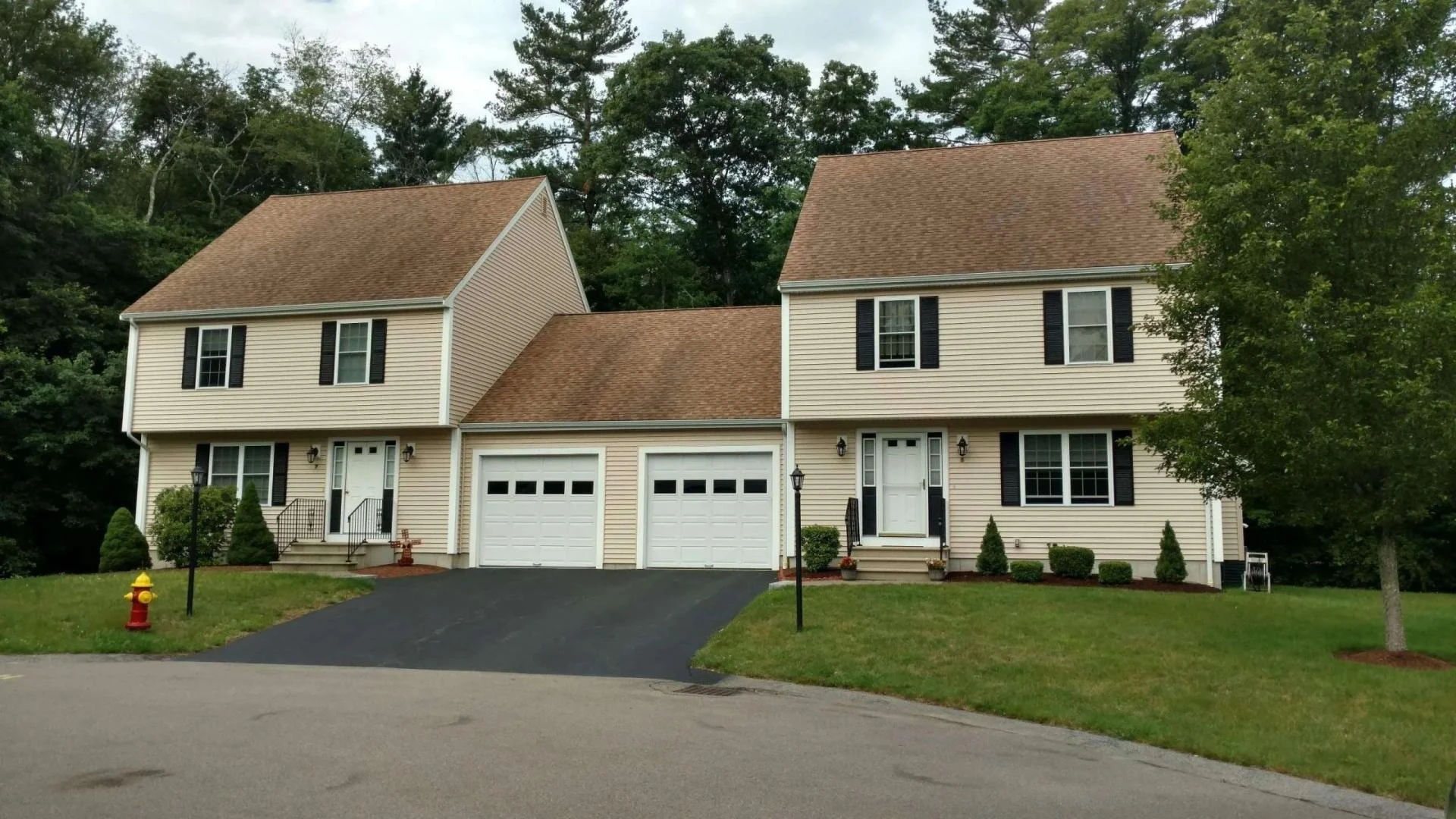
Roof cleaning Brockton is a necessary part of home maintenance for property owners who want to protect their investment and extend the lifespan of their roofing system. Year-round roof cleanliness not only improves curb appeal but also enhances structural integrity. In Brockton, seasonal weather changes, humidity, and biological growth can accelerate roof wear. This article explores the best ways to maintain a clean roof, explains why regular care matters, and shares technical data that supports proactive roof maintenance strategies.
The climate in Brockton contributes to roof deterioration when proper care is neglected. With an average annual precipitation of over 45 inches, moisture encourages growth of algae, moss, and lichen on roofing surfaces. These organisms trap moisture, which can weaken shingles and roofing materials. Research shows that dark streaks on roofs are often caused by Gloeocapsa magma, a type of blue-green algae that feeds on limestone filler in asphalt shingles. Once established, this algae can decrease the reflective ability of roof materials, increasing solar heat absorption by up to 20%. This, in turn, raises attic temperatures, which can reduce HVAC efficiency during warmer months.
Scheduling regular roof inspections should be the first step in maintaining a clean roof in Brockton. A thorough yearly inspection helps identify debris buildup, compromised shingles, blocked gutters, and early signs of biological growth. Inspections should ideally occur in spring and fall, after seasonal storms and before extreme weather conditions. A professional or a knowledgeable homeowner can check for cracked or missing shingles, sagging areas, and built-up organic matter. Identifying problems early prevents costly repairs and limits structural damage.
Cleaning roof surfaces safely is another essential practice. Gutter maintenance plays a significant role in keeping roofs clean. Blocked gutters and downspouts can cause water to back up under roof edges, saturating roof decking and creating conditions for rot and mold. Roof cleaning methods vary depending on roof material, slope, and type of buildup. Traditional pressure washing is not recommended for asphalt shingles, as the high pressure can erode protective granules, shortening the shingle lifespan. Instead, low-pressure washing combined with appropriate cleaning solutions is preferred. Soft washing uses biodegradable detergents to kill algae and organic growth without damaging roofing materials. Technical studies indicate that soft washing can remove up to 95% of biological contaminants while preserving shingle integrity.
Proper ventilation and insulation in attic spaces also contribute to a cleaner roof. Poor ventilation traps moisture in the attic, which leads to condensation under the roof deck. Over time, this moisture can manifest as mold, mildew, and dark staining on roof surfaces. Ensuring adequate ridge vents, soffit vents, and balanced airflow allows moisture to escape, keeping interior roof structures dry. Attic insulation further stabilizes indoor temperatures and prevents ice dam formation in winter. Ice dams occur when heat loss from the attic melts rooftop snow, which refreezes at colder roof edges. This cycle can lift shingles and force water beneath roofing layers.
Trimmed trees near roofs reduce the amount of organic debris that lands on roofing surfaces. Falling leaves, branches, and sap can trap moisture and attract fungi, accelerating roof deterioration. Keeping branches trimmed at least 6 feet from the roof edge minimizes debris accumulation and reduces the risk of physical damage from falling limbs during storms.
Choosing the right roofing material also influences long-term cleanliness. Some roofing products are manufactured with algae-resistant granules. These granules contain copper or zinc compounds that naturally inhibit biological growth. Technical evaluations reveal that shingles with algae-resistant properties can maintain a clean appearance for up to twice as long as standard shingles, especially in humid climates like Brockton. While these materials may cost more initially, their ability to reduce maintenance frequency can result in lower lifetime costs.
Midway through a home maintenance plan, revisiting the importance of roof cleaning Brockton is crucial. Residents should schedule cleaning at least once every 12 to 24 months, or more often if shaded areas and moisture build-up remain persistent. Consistency in cleaning prevents minor issues from turning into extensive repairs.
Winter brings additional challenges to roof care in Brockton. Ice and snow accumulation can cause stress on roofing structures. Snow should never be removed with metal tools, as these can gouge the roof surface. Instead, use a roof rake with a plastic edge from ground level to reduce snow loads. Preventing ice formation at gutters also supports good drainage and prevents water from entering the attic or interior ceilings.
Maintaining a clean roof is an ongoing commitment that protects one of the most vital components of your home. By scheduling regular inspections, using proper cleaning methods, controlling attic moisture, trimming overhanging trees, and considering high-performance roofing materials, you can sustain roof health throughout the year. With these strategies, roof cleaning Brockton becomes a methodical process rather than a reactive response to damage. In the long term, a well-maintained roof delivers better performance, enhanced efficiency, and greater peace of mind.