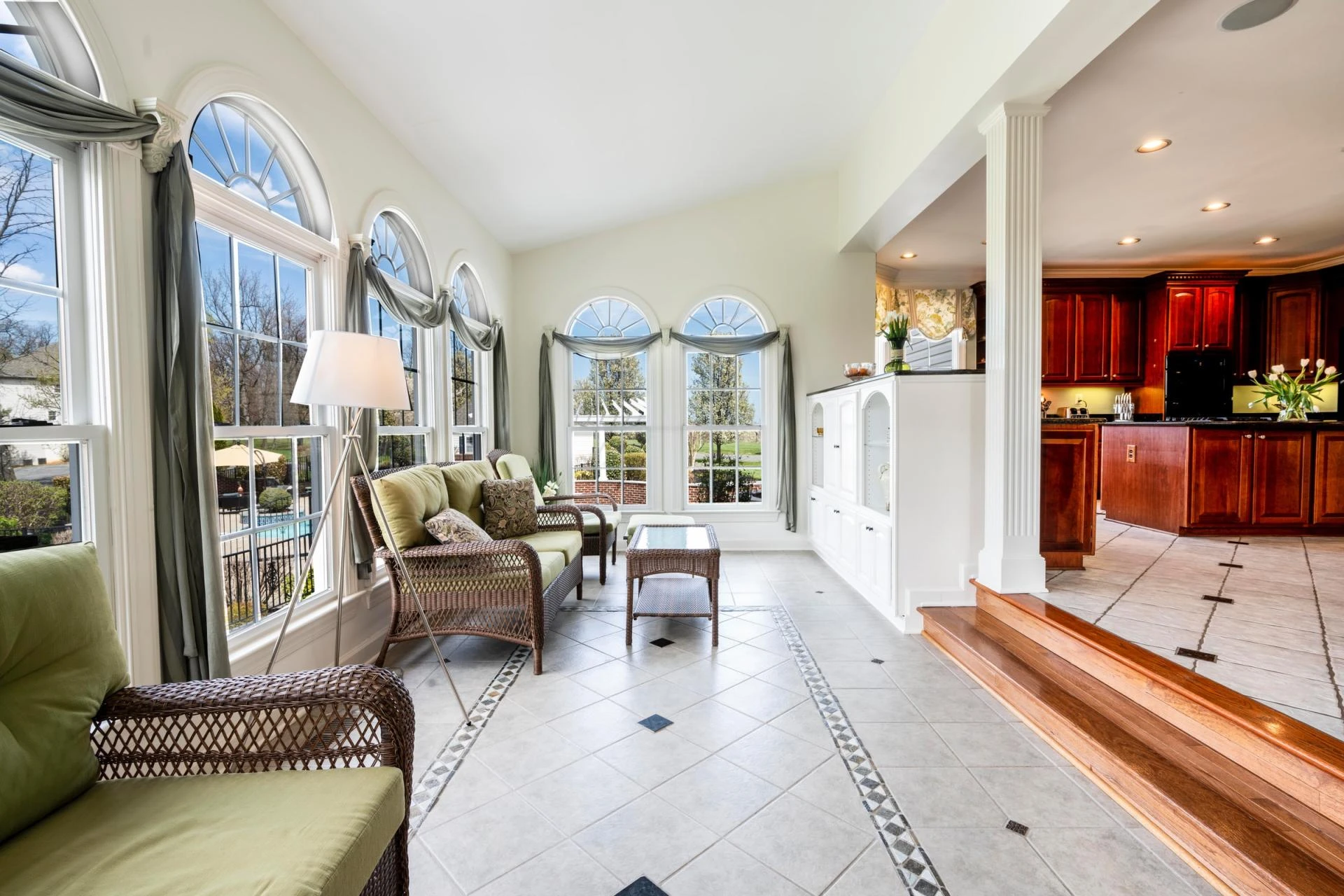
Real estate photography is a crucial element in marketing homes effectively, especially in a competitive market like Orange County. Capturing a property in its best light not only enhances its visual appeal but also draws the attention of potential buyers. One of the most influential factors in achieving stunning real estate photos is the time of day at which they are taken. Natural lighting can drastically impact the look and feel of a home, influencing everything from the warmth of the interior to the drama of the exterior shots.
Choosing the best time of day for a photo shoot is about more than convenience. It involves a thoughtful assessment of the sun’s position, the home’s orientation, and the desired mood or aesthetic. In this article, we explore the best times of day to photograph real estate in Orange County and how each time frame can serve different aspects of property presentation.
The Importance of Natural Light in Real Estate Photography
Before diving into specific times, it’s important to understand why natural light is so valuable in real estate photography. Artificial lighting often distorts colors and creates harsh shadows, whereas natural light brings out the true tones and textures of a space. Soft, diffused daylight can make interiors feel open and airy, while outdoor shots benefit from shadow placement and color temperature that only the sun can provide.
In Orange County, the Mediterranean climate offers many clear, sunny days, which is ideal for planning shoots. However, the quality of light changes throughout the day, and understanding those changes can help photographers and homeowners present a property in the best possible light.
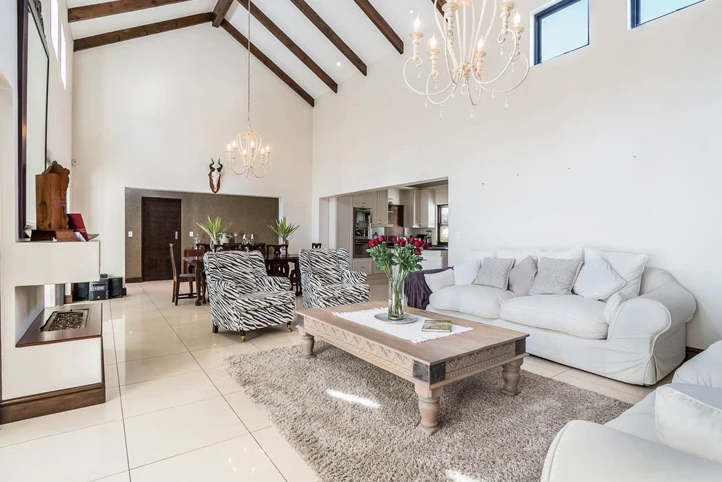
Morning Light: Calm, Cool, and Gentle
Morning is one of the most underappreciated yet powerful times for real estate photography. The sun is lower in the sky, casting long, soft shadows and providing a cooler, bluish tone to images. This time of day is especially advantageous for east-facing homes, where the façade receives direct light early on.
Interior shots taken in the morning can also benefit from this soft lighting, particularly in kitchens and living rooms with large windows that face the rising sun. The cool light of morning adds freshness and clarity, making spaces appear crisp and clean.
Additionally, early mornings often have less foot and vehicle traffic, which is especially helpful in neighborhoods or downtown areas. Fewer distractions outside make it easier to focus on the architecture and landscape of the property.
Late Morning to Midday: Bright and Balanced
Late morning, roughly between 10 a.m. and noon, offers a balance between the soft light of early morning and the more intense midday sun. At this time, the sun has risen high enough to illuminate both interiors and exteriors without producing harsh overhead shadows.
This period works well for properties with ample natural light that need to show off interior brightness. Homes with south-facing windows or open-concept designs benefit from this window because the sunlight filters into multiple rooms, offering a sense of continuity and flow.
However, photographers need to be cautious about glare and hot spots—areas where the light is so intense it washes out details. Using diffusers or shooting from specific angles can help manage these challenges.
Midday: The Brightest Time with the Harshest Shadows
Midday sun, typically from 12 p.m. to 2 p.m., is generally not the ideal time for real estate photography. While it provides abundant light, it can also cast stark shadows and create a flat, unflattering look, particularly for exterior shots.
The sun’s overhead position can result in bright rooftops and dark, shadowy facades, especially for homes with large porches or eaves. Interiors can also suffer from uneven lighting, where certain areas are overexposed while others remain dim.
That said, midday might be the only option in tight schedules, and a skilled Orange County real estate photographer can still produce quality work during this time. Techniques such as High Dynamic Range (HDR) imaging and post-processing can compensate for lighting inconsistencies.
Afternoon Light: Warm and Inviting
From about 3 p.m. to 5 p.m., the sun begins its descent, offering warmer, more golden light that enhances the welcoming feel of a home. This golden hour, especially in fall and winter months when the sun sets earlier, provides excellent lighting conditions for both interiors and exteriors.
West-facing homes particularly benefit from this time frame, as their front-facing elements become bathed in flattering light. The warmth of the afternoon sun adds a cozy and intimate vibe to interior rooms, which is particularly effective in family living areas, bedrooms, and dining spaces.
Landscaping and outdoor living spaces also appear more vibrant during this time, with plants and flowers catching the golden tones. If a property boasts a backyard or pool area, late afternoon is a perfect time to capture its potential for relaxation and entertainment.
Evening and Dusk: The Magic of Twilight Photography
Twilight or “blue hour” photography, which occurs shortly after sunset, is becoming increasingly popular in real estate marketing. These images often feature a lit interior contrasted against a moody, cobalt-blue sky, creating a dramatic and luxurious aesthetic.
This approach is particularly effective for high-end homes or listings that emphasize lifestyle features like expansive patios, pool lighting, or dramatic entryways. It provides a cinematic appeal that evokes emotion and aspiration.
Twilight shots require careful timing and coordination, as the window for perfect light is only about 20 to 30 minutes long. Artificial lighting inside the home must be carefully adjusted to avoid overly bright or yellow tones. The payoff, however, is a set of images that stand out in listing platforms and marketing materials.
Cloudy Days: Soft Light and Even Tones
While not technically a “time of day,” overcast skies provide consistent, diffused lighting that eliminates harsh shadows and brings a calm, even tone to both interiors and exteriors. Though some might assume that sunny days are always best, cloudy days can be a photographer’s secret weapon—especially for homes with complex textures or challenging exposures.
In Orange County, clouds aren’t common year-round, but on those rare gray days, photographers should take advantage of the opportunity to capture soft, moody images that still maintain accuracy and charm.
Tips for Choosing the Right Time for Your Shoot
- Assess Home Orientation
- Determine which direction the home faces. East-facing homes do best in the morning; west-facing homes shine in the afternoon.
- Consider the Property Features
- Pools, patios, and gardens often look best during golden hour when their colors and textures are enhanced by warm light.
- Check the Weather Forecast
- Knowing if it will be sunny, overcast, or raining can help you decide whether to reschedule or use creative lighting techniques.
- Use a Light Meter or Apps
- Tools like Sun Surveyor or PhotoPills help map out the sun’s position relative to the home at different times of day.
- Plan for Twilight in Advance
- Twilight shoots require preparation and quick execution, so coordinate timing and lighting setup carefully.
Conclusion
The best time of day for real estate photography in Orange County depends on the property’s unique features, layout, and orientation. While morning and late afternoon often produce the most pleasing results, each part of the day offers its own advantages. A skilled Orange County real estate photographer understands how to use light creatively and effectively, ensuring that each listing looks its best in any condition.
By considering natural light and planning your shoot with intention, you can present a home at its most compelling—inviting buyers to envision their future in the space and ultimately accelerating the sales process.