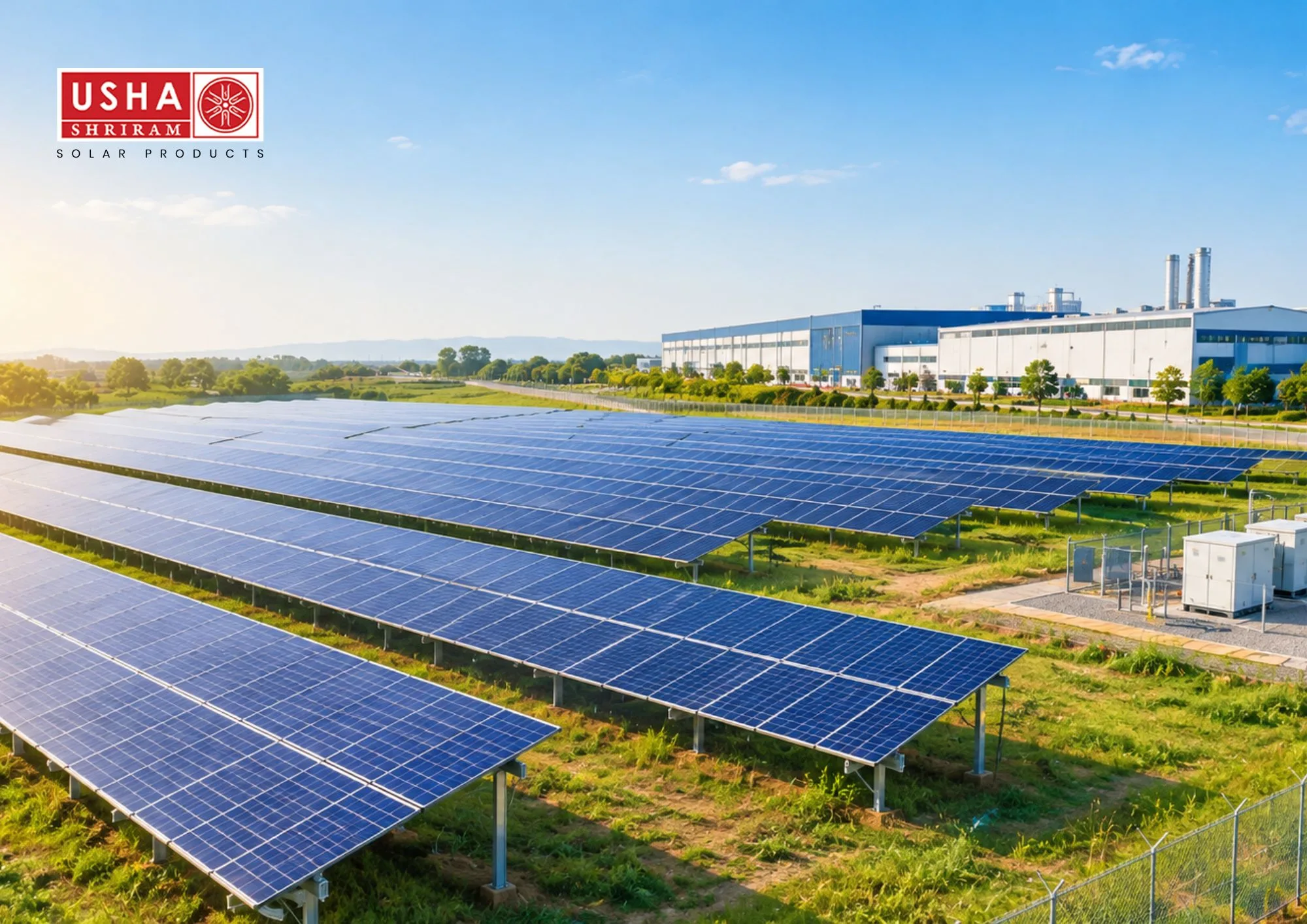
India's growing demand for clean energy has encouraged homeowners, businesses and industrial facilities to consider solar power. From reducing monthly electricity expenses to supporting sustainability goals, solar energy offers several long-term benefits. However, choosing the right installation company, selecting quality panels and understanding available government incentives are essential for a successful project.
Best Solar System Installation Companies: How to Choose the Right Partner
Finding the best solar system installation companies requires more than comparing installation prices. Businesses should evaluate technical expertise, product quality, project experience, warranty coverage and after-sales support. A reliable installer should assess electricity consumption, available rooftop space, structural strength and expected energy generation before recommending a system.
For commercial and industrial projects, it is also important to review the company's experience with electrical infrastructure, safety standards, system monitoring and maintenance. Requesting a detailed quotation with equipment specifications and estimated energy output can help businesses compare proposals and make an informed decision.
Solar Rooftop for Industry: A Practical Energy Solution
A solar rooftop for industry can help factories, warehouses, manufacturing units and processing facilities generate electricity directly from their unused roof space. Industrial buildings often have large rooftops that can accommodate substantial solar capacity, depending on structural conditions and energy requirements.
Businesses that consume significant electricity during daylight hours may benefit from using solar power to offset a portion of their grid consumption. Actual savings depend on electricity tariffs, system performance, weather conditions, maintenance and applicable net-metering or other regulatory arrangements.
Before installation, industries should conduct a feasibility assessment to determine the appropriate system size, potential generation and financial payback period.
Rooftop Solar Plants for Industries
Rooftop solar plants for industries are designed to meet the energy demands of commercial and manufacturing operations. These systems generally include solar modules, inverters, mounting structures, protection equipment, wiring and monitoring technology.
An industrial rooftop project should begin with an energy audit and site inspection. Engineers can then determine the suitable capacity and evaluate whether the system should operate through a grid-connected arrangement or another configuration suited to the facility.
Proper installation, electrical safety measures and regular performance monitoring help maintain efficient operation. Businesses should also consider warranties, cleaning schedules and long-term maintenance support when evaluating project proposals.
Solar Manufacturers in India: Why Product Quality Matters
Solar manufacturers in India supply panels and related equipment for residential, commercial and industrial applications. When comparing manufacturers, businesses should examine module efficiency, product certifications, performance warranties, manufacturing quality and technical support.
Solar technology options include mono-crystalline PERC and TOPCon modules, among others. The most suitable option depends on the project's budget, available space, performance requirements and environmental conditions.
Working with a dependable manufacturer and experienced installation partner can help businesses select equipment suited to their specific energy needs. Buyers should verify product documentation and applicable approvals instead of choosing panels based only on price or advertised wattage.
Best Commercial Solar Power Solutions Provider
The best commercial solar power solutions provider should offer a complete approach, from initial consultation and system design to installation, commissioning and ongoing support. Commercial projects may require customised engineering because electricity demand, roof design and operating schedules differ from one business to another.
A professional provider should explain expected generation, estimated savings, project costs, warranties and maintenance requirements clearly. Businesses should also review the company's previous installations and compare financial projections using realistic assumptions.
For organisations planning to reduce operating expenses and their environmental impact, a well-designed solar project can become a valuable long-term investment.
Solar Subsidy and Solar Power Subsidy Scheme in India
Government incentives can make eligible solar installations more affordable, but the applicable benefits depend on the consumer category and current regulations. Under the PM Surya Ghar: Muft Bijli Yojana, central financial assistance is primarily available to eligible residential households installing rooftop solar systems.
Commercial and industrial consumers should not assume they qualify for the same residential solar subsidy. Instead, they should check current central and state policies, applicable tax provisions, financing options and incentives for which their project may qualify.
Businesses should verify eligibility through official government sources and consult qualified professionals before including any subsidy or incentive in their project budget.
Conclusion
Choosing the right solar installation company involves balancing equipment quality, technical expertise, project cost and long-term service. Whether a business is exploring a solar rooftop for industry or comparing solar manufacturers in India, careful planning can improve project performance and financial outcomes. By evaluating qualified providers, understanding applicable regulations and selecting a system suited to actual energy consumption, businesses can take a practical step towards reliable and sustainable power.