
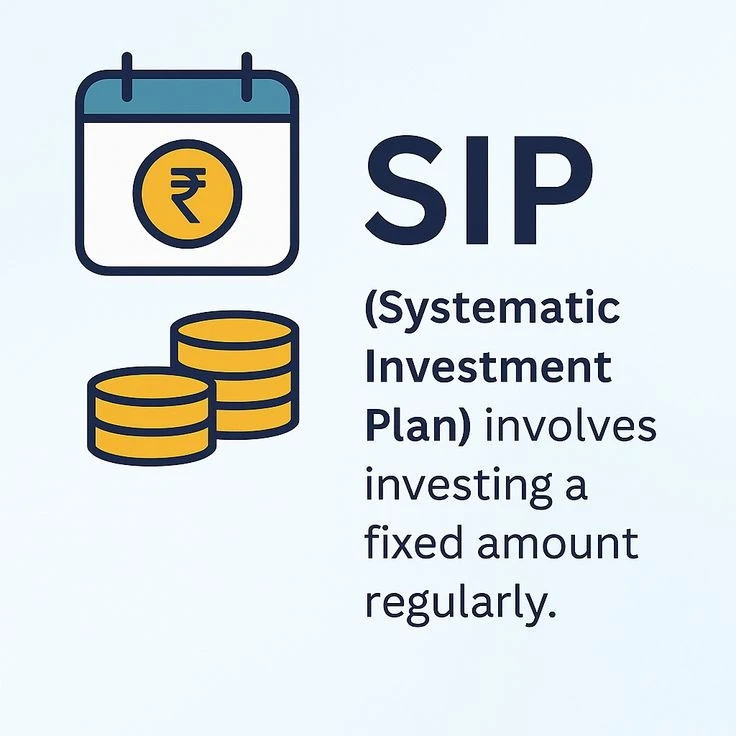
Building long-term wealth in today’s dynamic financial environment requires discipline, consistency, and a well-structured investment strategy. Many investors in India are now shifting toward systematic investing rather than speculative trading, and this is where SIPs (Systematic Investment Plans) have gained massive popularity. They allow you to invest small amounts regularly while benefiting from compounding and market growth over time, making them one of the best SIP plans in India for long-term investors.
When it comes to wealth creation, choosing the best SIP plans in India becomes crucial because not all mutual funds deliver consistent and reliable returns. The right selection depends on your financial goals, risk appetite, and investment horizon.
In this detailed guide, we will explore top-performing SIP plans, categories, strategies, and practical insights to help you maximize returns with minimal stress.
What is a SIP and Why It Works So Well
A Systematic Investment Plan (SIP) is a method of investing a fixed amount regularly (monthly or quarterly) in mutual funds. Instead of timing the market, SIP allows you to stay invested consistently.
SIPs work effectively due to three powerful principles:
- Rupee Cost Averaging – You buy more units when prices are low and fewer when high
- Compounding – Returns generate additional returns over time
- Discipline – Removes emotional decision-making
Even small amounts like ₹100 per month can be invested through SIPs, making it accessible to almost everyone .
Why You Should Choose SIP for Reliable Returns
SIPs are not just about convenience—they are a long-term wealth-building mechanism. Here’s why they are preferred:
1. Consistency Beats Timing
Trying to predict the market rarely works. SIP ensures you stay invested regardless of volatility.
2. Lower Risk Compared to Lump Sum
Investing gradually reduces the risk of entering at the wrong time.
3. Ideal for Salaried Individuals
Monthly investing aligns perfectly with income flow.
4. Long-Term Wealth Creation
Equity SIPs, especially, can generate strong returns over long periods.
Types of SIP Plans in India
Before choosing the best SIP plans in India, you must understand different categories:
Equity Funds (High Growth Potential)
- Invest mainly in stocks
- Suitable for long-term investors (5+ years)
- Higher risk but higher returns
Hybrid Funds (Balanced Approach)
- Mix of equity and debt
- Moderate risk
- Ideal for beginners
Debt Funds (Low Risk)
- Invest in bonds and fixed-income instruments
- Stable but lower returns
Index Funds (Passive Investing)
- Track indices like Nifty 50
- Low cost and stable
Best SIP Plans in India for Reliable Returns
Here are some of the top-performing SIP mutual funds based on consistency, returns, and fund management quality.
1. Large Cap SIP Funds (Stability + Growth)
- Mirae Asset Large Cap Fund
- Axis Bluechip Fund
These funds invest in established companies and offer relatively stable returns with moderate risk. Over the years, large-cap funds have delivered around 17–18% returns in strong market phases .
2. Flexi Cap SIP Funds (Diversification Advantage)
- Parag Parikh Flexi Cap Fund
- HDFC Flexi Cap Fund
Flexi cap funds invest across market caps, making them highly flexible and suitable for long-term investors. Some funds in this category have delivered over 20% returns historically .
3. Mid Cap SIP Funds (High Growth Segment)
- HDFC Mid Cap Fund
- Nippon India Growth Mid Cap Fund
Mid-cap funds offer a balance between growth and risk. They are ideal for investors looking for higher returns with manageable volatility.
4. Small Cap SIP Funds (Aggressive Growth)
- SBI Small Cap Fund
- Quant Small Cap Fund
Small-cap funds have shown very high growth potential, with returns exceeding 20% in many cases . However, they come with high volatility.
5. Hybrid SIP Funds (Balanced Risk)
- HDFC Balanced Advantage Fund
- ICICI Prudential Equity & Debt Fund
These funds combine equity and debt, making them suitable for moderate-risk investors seeking stable returns.
How to Choose the Right SIP Plan
Selecting the right SIP is more important than selecting multiple SIPs. Here’s how to do it smartly:
Understand Your Goal
- Short-term (1–3 years): Debt or hybrid funds
- Medium-term (3–5 years): Hybrid or large-cap funds
- Long-term (5+ years): Equity funds
Analyze Fund Performance
Look at:
- 3-year and 5-year returns
- Consistency over time
- Risk-adjusted returns
Check Fund Manager Track Record
Experienced fund managers play a crucial role in delivering consistent returns.
Expense Ratio Matters
Lower costs mean higher net returns.
Smart SIP Strategy for Maximum Returns
To truly benefit from SIP investments, follow these proven strategies:
1. Start Early
The earlier you begin, the more compounding works in your favor.
2. Increase SIP Amount Annually
Increase your SIP by 10–15% every year to accelerate wealth creation .
3. Stay Invested During Market Crashes
Market dips are opportunities to accumulate more units.
4. Diversify Across Categories
Avoid investing in just one fund type.
5. Avoid Frequent Switching
Consistency is key in SIP investing.
Expected Returns from SIP Investments
While returns are not guaranteed, here’s a realistic expectation:
- Equity SIPs: 10–15% annually (long-term)
- Hybrid SIPs: 8–12% annually
- Debt SIPs: 6–8% annually
Some high-performing equity funds have even delivered 20%+ returns over long periods, showcasing the power of disciplined investing .
Common Mistakes to Avoid in SIP Investing
Many investors fail to get good returns due to simple mistakes:
- Stopping SIP during market downturns
- Investing without clear goals
- Choosing too many funds
- Ignoring portfolio review
- Expecting quick returns
Avoiding these mistakes can significantly improve your investment outcomes.
SIP vs Lump Sum – Which is Better
Both have their place, but SIP is generally better for most investors:
- SIP reduces timing risk
- Lump sum works better in bullish markets
- SIP suits beginners and salaried individuals
A combination of both strategies can also be effective.
Who Should Invest in SIPs
SIPs are suitable for:
- Beginners entering the stock market
- Salaried individuals
- Long-term investors
- Risk-conscious investors
- Goal-based planners (retirement, education, wealth creation)
Future of SIP Investing in India
The popularity of the best SIP plans in India is growing rapidly, even in smaller cities. Increasing awareness and digital platforms are making SIP investments more accessible. This shift indicates a long-term transformation in how Indians approach wealth creation.
Final Thoughts on Building a Strong SIP Portfolio
Choosing the best SIP plans in India is not about chasing the highest returns—it’s about consistency, discipline, and smart allocation. A well-diversified SIP portfolio across large-cap, mid-cap, and flexi-cap funds can help you achieve reliable returns over time.
The key is to stay invested, ignore short-term volatility, and focus on long-term compounding.
In addition to mutual fund SIPs, investors are also exploring diversification through commodities. For example, adding exposure to precious metals through the best silver ETFs in India can help balance risk and provide a hedge against inflation while complementing your SIP-based equity investments.