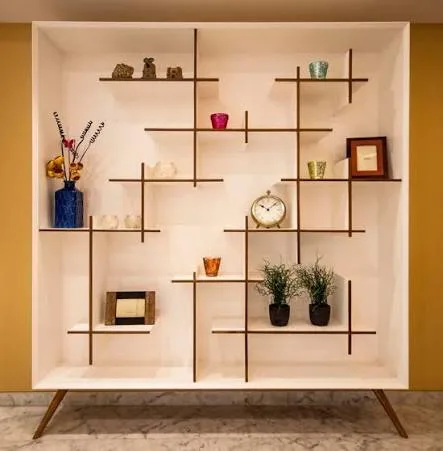
A well-designed showcase can make a significant difference in how customers view your business and products. Whether you own a clothing store, jewellery shop, cosmetics outlet, or small retail business, an attractive display helps highlight products and create a professional shopping environment.
The right showcase design combines functionality, visual appeal, and smart space utilisation. From selecting suitable display shelves to choosing lighting and colours, every detail should support your business identity and customer experience. With thoughtful planning, even a small shop can look organised, modern, and welcoming.
1. Choose a Showcase Design That Matches Your Business
Your showcase should reflect the type of products you sell and the overall style of your business. For example, jewellery stores benefit from glass display counters, while clothing shops may require open shelves, hanging racks, and decorative display units.
A modern showcase design should make products easy to view without overcrowding the space. Select materials, shapes, and finishes that complement your shop's interior.
Before finalising a design, consider your product sizes, display requirements, available floor area, and customer movement.
2. Use Your Brand Color for a Consistent Look
Colours help customers recognise and remember your business. Using your brand color in the showcase can create a consistent visual identity throughout the shop.
You can introduce brand colours through cabinet finishes, display backgrounds, wall panels, signage, or decorative details. If your brand uses a bold shade, balance it with neutral colours such as white, beige, or grey.
Avoid using too many contrasting colours because they can distract customers from the products. A coordinated colour scheme makes the showcase look more professional and visually appealing.
3. Select Suitable Cabinets and Display Shelves
Display furniture plays an important role in product presentation. Well-designed cabinets help organise merchandise while keeping the shop neat and attractive.
Glass cabinets are useful for jewellery, accessories, cosmetics, and valuable products because they allow customers to view items while providing some protection. Wooden cabinets can add warmth, while metal and acrylic displays create a contemporary appearance.
Choose cabinets according to product dimensions and storage needs. Adjustable shelves can provide flexibility when your product range changes.
4. Use Proper Lighting to Highlight Products
Lighting can make your showcase more attractive and help customers notice important products. LED strip lights, spotlights, and recessed lighting are popular options for retail displays.
Use focused lighting to highlight featured merchandise, new arrivals, or premium products. Glass showcases can benefit from internal lighting, while open shelves look attractive with carefully positioned LED strips.
Choose lighting that displays product colours accurately and avoids excessive glare. A well-lit showcase creates a clear and comfortable shopping experience.
5. Make the Most of Limited Shop Space
Small businesses often have limited floor areas, so every section should serve a purpose. Use vertical shelves, wall-mounted displays, compact counters, and corner units to maximise available space.
Avoid placing too many display units close together. Customers should have enough room to move comfortably and view products from different angles.
A simple layout with organised displays can make even a compact shop feel spacious. Keep frequently purchased products at accessible heights and reserve prominent areas for featured items.
6. Plan Your Showcase According to Your Budget
An attractive display does not always require expensive materials or complicated designs. Start by setting a realistic budget and identifying the most important display requirements.
You can reduce costs by choosing simple cabinet structures, durable laminates, standard glass panels, and energy-efficient lighting. Instead of renovating the entire shop, focus on the showcase, reception counter, and main product display area.
Compare material quality, installation expenses, and maintenance requirements before making a decision. Investing in durable materials can help reduce future repair and replacement costs.
7. Keep the Product Display Organised
A showcase should make it easy for customers to understand what your business offers. Arrange products according to categories, sizes, colours, or collections.
Avoid overcrowding shelves with too many items. Leave enough space between products so that each display remains visible.
Use small labels, price tags, and category signs where appropriate. An organised showcase improves product visibility and helps customers make purchasing decisions.
8. Create an Attractive Shop Entrance
The shop entrance is often the first point of contact with potential customers. A carefully planned front showcase can encourage people to explore your products.
Display selected items near the entrance, use suitable lighting, and maintain a clean appearance. Keep pathways clear and avoid blocking the shop's entrance with large display units.
Your front display should communicate your business identity and give customers an idea of the products available inside.
9. Choose Durable and Easy-to-Maintain Materials
Showcases are used regularly, so materials should be selected according to their durability and maintenance requirements.
Glass, quality laminates, wood, metal, and acrylic are commonly used for retail display units. Each material offers different visual and practical benefits.
Consider the weight of displayed products, cleaning requirements, moisture exposure, and daily usage before choosing a material. Professional installation also helps ensure that cabinets and shelves remain stable and safe.
10. Get Professional Commercial Interior Design Guidance
A successful retail display requires careful planning of furniture, lighting, colours, storage, and customer movement. Professional designers can help create a showcase that suits your products, shop size, and business identity.
Adore Studio provides creative commercial and residential interior design solutions. From display concepts to complete shop interiors, professional guidance can help transform a small business space into an attractive and functional environment.
Visit adorestudio.net to explore design inspiration and professional interior services.
Conclusion
A well-planned showcase can improve product presentation, strengthen your brand identity, and make a small business look more professional. Choosing suitable cabinets, coordinating your brand colours, using effective lighting, and organising products can create a better shopping environment.
Always consider your available space, business requirements, and budget before selecting a design. With thoughtful planning, even a simple showcase can make a lasting impression on customers.
FAQs:
1. What is the best showcase design for a small shop?
Compact glass cabinets, wall-mounted shelves, vertical displays, and simple counters are useful options. The best design depends on the products and available space.
2. Which materials are suitable for shop showcases?
Glass, wood, quality laminates, metal, and acrylic are commonly used. Choose materials according to durability, appearance, product weight, and maintenance requirements.
3. How can I use brand colours in showcase design?
Introduce your brand colours through cabinet finishes, display backgrounds, signage, wall panels, or decorative details. Balance bold colours with neutral shades.
4. How can I design a showcase on a limited budget?
Use simple structures, standard materials, energy-efficient LED lighting, and practical storage. Focus on the most visible display areas instead of renovating the entire shop.
5. Why is lighting important in showcase design?
Proper lighting highlights products, improves visibility, and makes displays more attractive. LED strips and spotlights are useful options for different types of showcases.