Delivering medical and healthcare presentations in the UAE requires a unique blend of scientific accuracy, cultural awareness, and visually effective communication. Whether the audience includes hospital administrators, medical professionals, policy makers, or the general public, the quality of the presentation can significantly influence comprehension and trust. Understanding how to craft presentations that align with professional expectations in the UAE healthcare sector is essential. This article outlines best practices for structuring and designing impactful medical presentations within the regional context, with a focus on Presentation Design UAE standards and expectations.
Understanding the Healthcare Landscape in the UAE
The UAE healthcare system has experienced tremendous growth over the past two decades. With the rapid development of state-of-the-art hospitals, specialized clinics, and medical education institutions, there’s an increasing demand for professional communication within the medical community. Healthcare providers in Dubai, Abu Dhabi, Sharjah, and other emirates often attend conferences, workshops, and seminars where clear and concise presentations are vital.
In such a high-caliber environment, presentation design must support complex data delivery without overwhelming the audience. Professionals working on healthcare presentations in the UAE need to be aware of local standards and audience expectations. This includes respecting cultural norms, language considerations, and using visual storytelling to convey scientific or clinical insights effectively.
Keep Content Accurate, Relevant, and Structured
The cornerstone of any medical presentation is the content. Medical information must be based on evidence and current standards of care. Inaccuracies or ambiguities in content can not only misinform but also damage professional credibility. It is vital to ensure that statistics, clinical trial data, treatment protocols, and healthcare policies presented are up-to-date and sourced from reputable authorities such as WHO, DHA (Dubai Health Authority), or MOHAP (Ministry of Health and Prevention).
Organizing content in a logical flow is also essential. Begin with a strong introduction that outlines the objective of the presentation. Use clear headings for each section, such as problem identification, methodology, findings, discussion, and conclusion. If applicable, include case studies relevant to the UAE context. This structure helps the audience follow complex topics and connects each point logically.
Simplify Complex Medical Concepts
Many healthcare presentations involve intricate medical terminology, scientific charts, and clinical data. To ensure comprehension across all audience levels, especially in multi-disciplinary settings, it’s important to simplify the language without compromising accuracy. Use plain English where possible and explain specialized terms with brief definitions.
Visual aids such as flowcharts, infographics, and anatomical diagrams can help break down complex procedures or biological mechanisms. When addressing public health issues, consider how your visuals and messages will be interpreted by a diverse, multicultural audience in the UAE. Arabic translations of key terms or sections can also be useful when presenting to government entities or mixed-language audiences.
Use Visual Design to Enhance, Not Distract
High-quality visuals play a critical role in effective healthcare presentations. However, the design should support the message rather than overpower it. In the context of Presentation Design UAE, clarity, minimalism, and professionalism are essential.
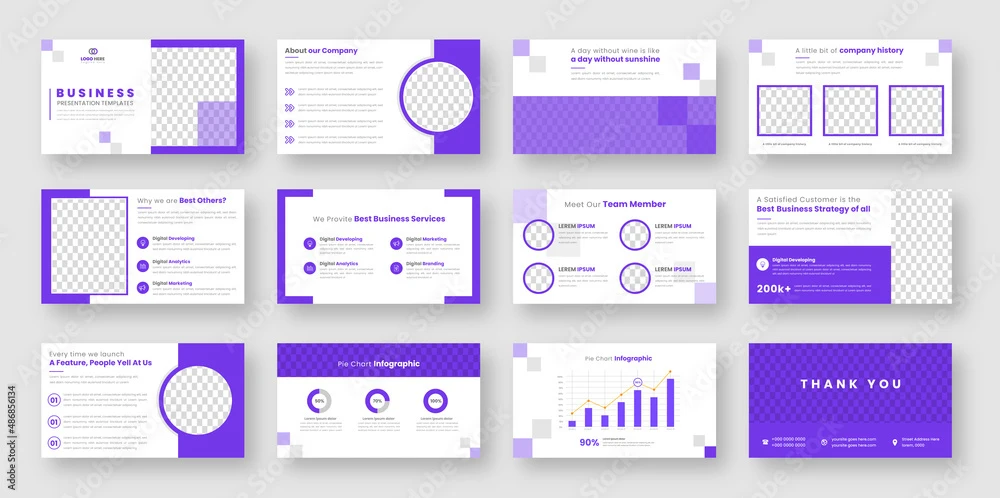
Use clean slide layouts with sufficient white space. Stick to a consistent font style, size, and color palette that aligns with healthcare standards—typically blue, green, or white backgrounds with dark text to convey calmness and trust. Avoid using too many animations or decorative elements, which can distract from the medical content. Use high-resolution images, especially for radiographs, MRIs, or clinical photography.
Charts and graphs must be simple and legible. Use bar graphs, pie charts, and line graphs selectively and ensure they have clear labels and legends. Consider the color contrast and avoid using red and green together, as it may be difficult for individuals with color blindness.
Incorporate Local and Regional Context
One of the most crucial aspects of healthcare communication in the UAE is cultural relevance. The healthcare sector in the UAE is highly international, but presentations should still reflect local realities. Include UAE-specific case studies, local epidemiological data, or regional comparisons to help the audience relate to the content.
When discussing public health, mention local initiatives such as the UAE Vision 2031 health goals, immunization programs, or mental health awareness campaigns. Use imagery that resonates with the audience, such as photos of local healthcare facilities or public health campaigns in the UAE. This not only improves engagement but also demonstrates regional awareness and cultural sensitivity—important qualities in effective Presentation Design UAE practices.
Respect Cultural and Professional Norms
Cultural considerations are especially important in the UAE healthcare sector. Avoid any content that may be culturally inappropriate or insensitive. This includes images, humor, or references that may not align with Islamic values or local customs. Ensure that images of patients, if used, respect privacy and are accompanied by appropriate permissions.
When delivering the presentation, adopt a tone of professionalism and respect. Refrain from controversial or politically sensitive topics unless they are medically relevant and approached with care. Acknowledge the contributions of local authorities and collaborators when applicable, which adds credibility and shows appreciation for partnerships in the region.
Design for Multilingual and Multicultural Audiences
UAE medical conferences and hospital settings often include professionals from various countries. English is widely used in professional communication, but Arabic remains the official language. Presentations should be designed with this multilingual reality in mind.
One effective strategy is to include dual-language slides or bilingual glossaries for technical terms. This is especially useful when presenting to government health bodies or community organizations. Font choices should support both Arabic and English text, ensuring alignment and readability.
Avoid idiomatic expressions, region-specific jokes, or cultural references that may not be universally understood. Instead, focus on clarity, factual messaging, and inclusive visuals that reflect the diversity of the UAE’s healthcare workforce and patient population.
Engage the Audience with Interactivity
Interactive presentations are more memorable and impactful. For healthcare presentations in the UAE, where engagement may vary depending on the formality of the event, consider incorporating elements such as short quizzes, live polls, or open-ended questions. This not only keeps the audience attentive but also encourages discussion and deeper understanding.
For example, when presenting a new treatment protocol or a diagnostic approach, include a poll asking the audience how they would proceed. Then, compare their responses to evidence-based guidelines. This method promotes active learning and helps professionals see the practical application of new knowledge.
Use Storytelling to Humanize Data
Healthcare data can be dry or overwhelming if not presented thoughtfully. Storytelling is a powerful technique to make medical presentations more relatable and emotionally resonant. Share real-life patient journeys (with consent), success stories of clinical interventions, or transformative moments in your healthcare practice.
In the UAE, where many healthcare decisions are data-driven but people-oriented, stories that reflect the human side of medicine are especially compelling. For instance, sharing how a new public health campaign reduced diabetes rates in a specific community can be more persuasive than simply showing the statistics.
Include a Clear Call to Action
Every effective presentation concludes with a purpose. Whether you want to encourage collaboration, recommend a policy change, or promote adoption of a clinical method, your final slides should contain a clear, actionable message.
Summarize the key takeaways and provide next steps. If you’re presenting research findings, offer recommendations. If you’re proposing a new healthcare initiative, include timelines, expected outcomes, and points of contact. In UAE healthcare settings, presentations that include strategic direction and align with institutional goals tend to resonate more.
Test and Rehearse Before Delivery
Finally, test your presentation thoroughly. Check that all multimedia elements work smoothly. Ensure compatibility with local software and hardware setups, which may vary by venue. Rehearse your talk several times, ideally in front of colleagues who can offer feedback.
Presentation delivery is just as important as design. Speak clearly, use pauses effectively, and maintain eye contact. For UAE audiences, a respectful and confident delivery style is appreciated. Familiarize yourself with common greetings and expressions in Arabic if you’re presenting in a mixed setting—it adds a thoughtful cultural touch.
Conclusion
Medical and healthcare presentations in the UAE require a blend of scientific rigor, cultural intelligence, and visual clarity. By understanding the unique expectations of UAE healthcare professionals and aligning your communication with local values, you can design impactful, informative, and engaging presentations.
Applying best practices in content structure, visual design, cultural adaptation, and audience engagement will set your work apart. Whether you’re presenting to a panel of doctors in Abu Dhabi or delivering public health information in Dubai, effective Presentation Design UAE practices will help you convey your message with clarity and professionalism.