
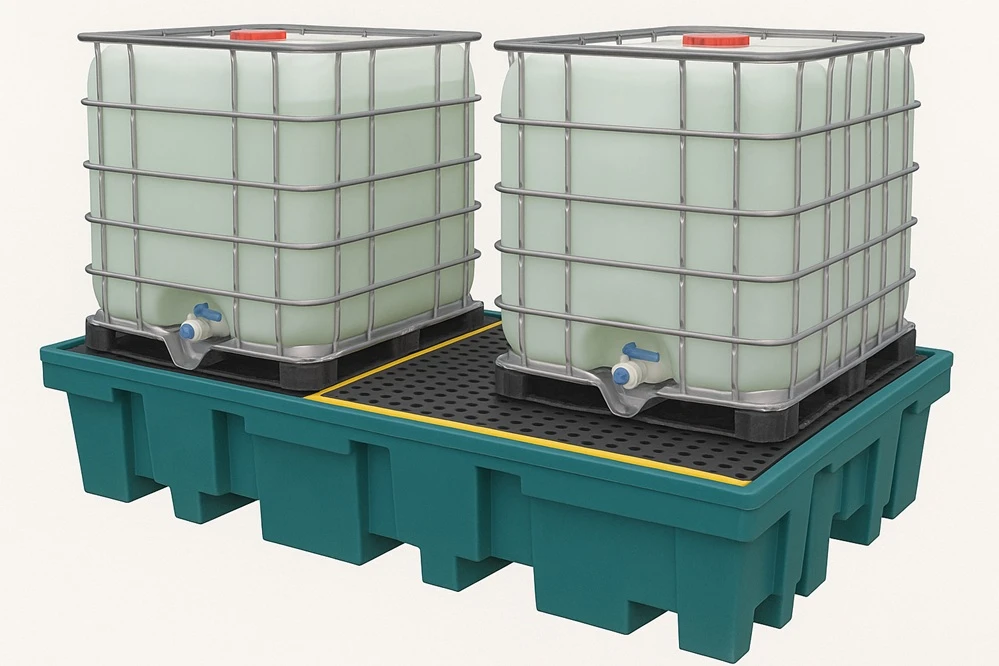
Effective containment of industrial liquids is a vital part of ensuring workplace safety, environmental compliance, and operational integrity. Whether in manufacturing plants, chemical processing units, or fuel storage facilities, the risk of leaks and spills can never be overlooked. These incidents, if uncontained, can result in serious hazards to human health and significant damage to surrounding ecosystems. To mitigate such risks, businesses must adhere to well-established containment methods. One essential element in many facilities is the use of a chemical bund, which acts as a protective barrier designed to catch and hold any leaks from tanks or drums.
While the use of such structures is important, true safety lies in a complete containment strategy. This strategy combines thoughtful design, regular maintenance, well-trained personnel, and compliance with environmental standards. By following best practices in these areas, organisations can improve safety, reduce costly downtime, and protect both people and the planet.
Designing for Containment Success
Containment begins with proper design. Every site and facility must consider the types of liquids being handled, the storage volume, and the specific risks posed by the chemicals involved. A well-thought-out containment plan will be tailored to these factors.
For instance, the layout of storage tanks should avoid overcrowding and allow sufficient access for inspection and emergency response. Tanks should be placed on stable, level ground, and storage areas should be clearly marked and segregated based on the type of chemical or liquid stored. Secondary containment systems must be built with suitable materials that are resistant to the stored liquid and capable of holding 110 percent of the volume of the largest container, as required by environmental authorities in many regions.
Slope and drainage also play a critical role. Surfaces should be graded to direct any potential leaks toward the containment area, not away from it. Adequate sump pits, valves, and pumping systems allow for the controlled removal of collected liquid during routine maintenance or emergency clean-up operations.
Material Selection and Compatibility
The effectiveness of any containment system relies heavily on the materials used. Steel, concrete, fibreglass, and specialised polymers each offer benefits, but not all are suitable for every application.
Corrosive chemicals such as acids or caustics may require lined concrete or plastic composites, while petroleum-based liquids might be safely stored in coated steel tanks. If incompatible materials are used, containment can fail quickly under pressure, temperature changes, or chemical reactions.
A proper assessment must be carried out to match storage tank and containment materials with the characteristics of the liquid stored. This assessment should be reviewed during procurement, installation, and regular audits to ensure no changes have introduced risk.
Preventive Maintenance and Regular Inspections
Even the best-designed system can fail without proper maintenance. Regular inspections form a core part of any containment strategy. Site personnel must routinely check for signs of wear, corrosion, cracking, and leaks in both primary storage containers and secondary containment areas.
Maintenance schedules should include visual assessments, thickness testing, integrity checks of seals and joints, and the functionality of sump pumps or drainage systems. In particular, inspection after heavy rainfall or extreme temperature shifts is critical, as such conditions can cause structural stress or chemical expansion.
Clean-up procedures and spill kits must always be in place and replenished. Containment areas should never be used for long-term storage of spills or residues, as this defeats their purpose and increases the risk of secondary hazards.
Emergency Preparedness and Training
A well-prepared team is as important as any physical containment system. Workers must receive thorough training on the proper handling of hazardous liquids, emergency procedures, and the use of protective equipment. They must also be trained to identify warning signs of potential containment failure, such as unusual odours, discolouration of materials, or pooling liquid around storage tanks.
Drills and simulated leak scenarios ensure that emergency response is both timely and effective. Training should be repeated at regular intervals and whenever new substances, equipment, or processes are introduced to the site.
Communication is key during any incident. Emergency procedures must clearly define reporting chains, evacuation routes, and clean-up responsibilities. Teams should know whom to contact, what information to provide, and what immediate steps to take in the event of a spill.
Environmental Compliance and Documentation
Adherence to environmental regulations is both a legal obligation and a moral responsibility. Regulatory bodies provide clear standards for storage and containment, and these must be fully understood and implemented.
Each facility must keep accurate records of containment measures, inspection logs, training activities, and incident reports. These documents not only ensure compliance but also help identify trends and potential vulnerabilities in current practices.
Being transparent with audits and welcoming third-party assessments shows a commitment to high safety standards. It also provides an opportunity to improve practices with external insights.
In some cases, the use of monitoring systems such as leak detectors, alarms, and remote sensors can further enhance containment. These systems provide early warning and allow corrective action before a minor issue escalates into a major incident.
Planning for Growth and Expansion
Containment systems must grow with the business. When new tanks are added, or production is scaled up, the containment plan must be revised to match. Failing to upgrade containment to reflect increased storage volume can lead to non-compliance and elevated risk.
Future needs should be considered during the initial design phase. Modular systems or expandable barriers allow flexibility without compromising safety. Site managers must conduct risk assessments whenever operations expand or change, and adjust containment solutions accordingly.
Weather and Environmental Challenges
Australia’s varied climate poses unique challenges for industrial sites. Heavy rain, heatwaves, cyclones, and drought all have different impacts on containment systems. Rain can cause overflow in bunded areas, while intense sunlight can degrade materials and accelerate evaporation of volatile liquids.
To counter these effects, drainage systems must be efficient, roofs or covers may be used to protect storage tanks, and UV-resistant materials should be chosen. Regular inspections during and after weather events are essential to catch any damage early.
Flood-prone areas may require elevated containment or reinforced embankments to reduce the risk of environmental discharge. In bushfire zones, flammable liquids must be stored in fire-rated containers with appropriate separation from vegetation and heat sources.
Promoting a Culture of Safety
The most effective containment systems operate within a culture that values safety, accountability, and proactive action. Leadership must set the tone by supporting investment in safe infrastructure, providing adequate training, and recognising good safety performance.
When employees feel empowered to report issues and suggest improvements, small problems can be corrected before becoming major failures. Open communication between management, workers, and contractors ensures that containment practices are followed consistently across all levels of the organisation.
Regular safety reviews, toolbox talks, and recognition of safety milestones contribute to a workplace culture where everyone takes ownership of safety.
Conclusion
Managing industrial liquid containment is not simply a regulatory checkbox. It is a complex, ongoing responsibility that involves smart design, careful material selection, routine maintenance, staff training, and strategic planning. From initial storage layout to emergency response, every step must be approached with diligence and care.
By implementing best practices and encouraging a strong safety culture, businesses can reduce the risk of accidents, protect their workforce, and uphold environmental integrity. While containment systems such as chemical bunds provide a vital first line of defence, their effectiveness depends on the broader system surrounding them. In the end, safe containment is not just about equipment—it is about commitment.