
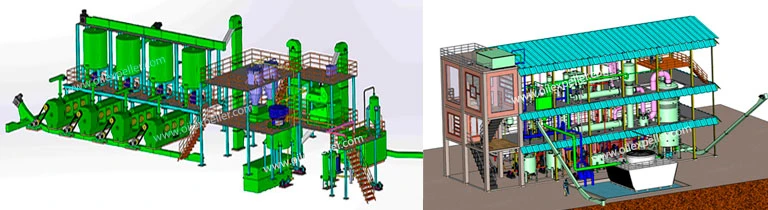
To ensure profitability and operational excellence when building a solvent oil extraction plant, focus on the following best practices:
1. Optimize Plant Design and Construction
- High-Quality Materials: Use stainless steel and durable components to minimize wear, increase plant longevity, and reduce downtime.
- Precision Engineering: Ensure the plant is engineered for efficient solvent-oil contact, optimum percolation, and easy maintenance access.
2. Process Optimization
- Solvent Selection: Choose a solvent with high extraction capacity, low toxicity, and ease of recovery. While hexane is common, investigate alternatives like ethanol to improve safety and sustainability.
- Parameter Optimization: Regularly optimize extraction variables such as temperature, solvent volume, and particle size with statistical analysis to maximize yield and minimize losses.
- Efficient Recovery and Cleaning: Implement advanced solvent recovery systems and high-pressure liquid cleaning to reduce operational costs and solvent losses.
3. Quality Control and Assurance
- Raw Material Testing: Ensure only high-quality oilseeds or feedstock enter the process to maintain product consistency and minimize impurities.
- Product Monitoring: Use real-time sensors and automated controls to maintain product quality at every stage and quickly adjust for process variations.
- Residual Oil Management: Strive for a post-extraction oil cake with less than 1% residual oil to optimize yield.
4. Operational Safety and Compliance
- Explosion and Fire Safety: Use explosion-proof equipment and ventilation systems to manage the risks associated with volatile solvents like hexane.
- Regulatory Adherence: Obtain all necessary environmental, safety, and operational permits.
5. Sustainability and Waste Management
- Waste Minimization: Separate and valorize oil cake, meal, and other by-products for use in allied industries.
- Solvent Emissions Reduction: Install efficient vapor absorption and recovery systems to minimize solvent loss and reduce environmental impact.
- Resource Efficiency: Adopt cyclone-centrifugal separators and other innovations to lower water and energy use.
6. Maintenance and Staff Training
- Routine Inspections: Conduct scheduled checks on seals, pumps, filters, and safety equipment to reduce breakdowns.
- Operator Training: Equip staff with thorough process, safety, and first aid training.
- Predictive Maintenance: Use data analytics for early detection of potential equipment failures.
7. Continuous Innovation & R&D Partnership
- Collaborate for Improvement: Partner with process R&D centers to experiment with process adjustments and new technologies for further boosts in yield, sustainability, and profitability.
- Statistical Process Control: Employ design-of-experiments approaches to determine best operating windows.
8. Cost Management and Scale
- Balance CAPEX and OPEX: Sometimes a higher upfront investment (e.g., for better materials or automation) saves more in the long run through reduced running costs and higher operational uptime.
- Byproduct Utilization: Explore market opportunities for residual meal, cake, or minor oil fractions to expand revenue streams.
Following these best practices will help you maximize yields, reduce operational costs, ensure compliance and product quality, and achieve long-term profitability in your solvent oil extraction venture.