
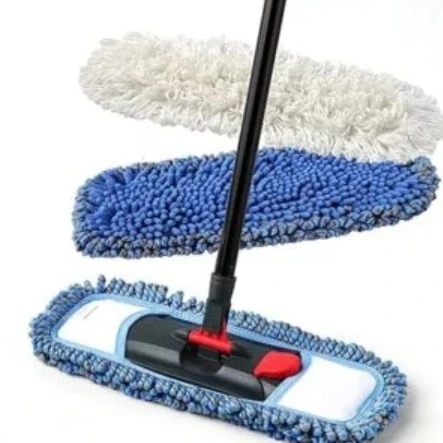
Keeping floors clean in Texas isn’t the same as cleaning floors anywhere else. Dust from dry air, pollen, pet hair, mud after sudden rain, and hardwood expansion from humidity all attack your floors daily. A cheap mop won’t survive long here. Worse, the wrong one can damage wood, spread bacteria, or waste hours of effort.
So the real question isn’t just how to mop.
It’s which mop actually works for Texas conditions.
In this guide, we’ll compare microfiber vs cotton, explain blue/red/yellow mop systems, discuss durability and cost, and help you pick the right option for your home or business. We’ll also reference reliable solutions like the Microfiber Tube Mop and Cotton Mop Blue from EcoFine Products, a supplier serving Sugar Land, Texas and nearby areas.
Why Floor Cleaning in Texas Is Different
Texas homes deal with three specific cleaning challenges:
- Fine dust particles (especially in suburban and construction zones)
- Humidity + hardwood expansion
- Mud and pollen carried indoors
This means your mop must:
- Absorb moisture quickly
- Trap microscopic dirt
- Avoid scratching wood floors
- Handle frequent washing
Many traditional mops fail because they push dirt around instead of lifting it.
Types of Mops Explained, And When to Use Them
1. Microfiber Mops
Best for modern homes, hardwood floors, tiles, and daily cleaning.
Benefits
- Traps bacteria and fine dust
- Uses less water
- Leaves no streaks
- Machine washable
- Long lifespan
Microfiber strands split into tiny fibers that grab particles instead of spreading them. Studies referenced by CDC environmental cleaning guidelines show microfiber removes more microorganisms than cotton in controlled cleaning environments.
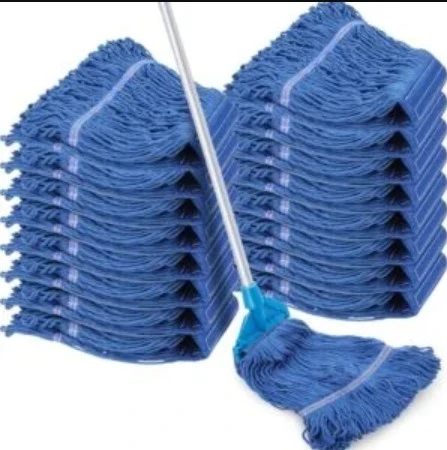
2. Cotton Mops
Best for heavy spills, commercial use, garages, and large wet areas.
Benefits
- High water absorption
- Durable in rough cleaning
- Lower upfront cost
- Great for deep wet cleaning
Cotton works well when you actually want water saturation, such as entryways and workshops.
Microfiber vs Cotton Mop: Real Comparison
Feature
Microfiber Mop
Cotton Mop
Dust removal
Excellent
Moderate
Water absorption
Good
Very high
Hardwood safety
Very safe
Can over-wet
Bacteria removal
Higher
Lower
Maintenance
Washable
Needs replacement sooner
Cost long term
Cheaper
Higher replacement cost
Reality:
Microfiber cleans better.
Cotton handles messes better.
So the best setup is not choosing one. It’s using both correctly.
The Role of Color-Coded Mop Heads (Blue, Red, Yellow)
Professional cleaners don’t randomly pick colors. They follow hygiene rules.
Blue Mop Heads
General floor cleaning areas like living rooms and hallways.
A reliable option is the Cotton Mop Blue, commonly used for routine wet mopping because it balances absorption and durability.
Red Mop Heads
Sanitation areas such as bathrooms and kitchens.
Prevents bacteria cross-contamination.
Yellow Mop Heads
Sensitive areas like sinks, counters, and controlled cleaning zones.
This system stops germs from spreading room to room.
Why Many Texas Homes Are Switching to Microfiber Tube Mops
The Microfiber Tube Mop combines the water handling of cotton with the cleaning power of microfiber.
Advantages
- Faster drying floors
- Fewer streaks
- Lower water usage
- Less effort
- Works with standard mop and bucket systems
This matters in humid states because standing water damages flooring over time.
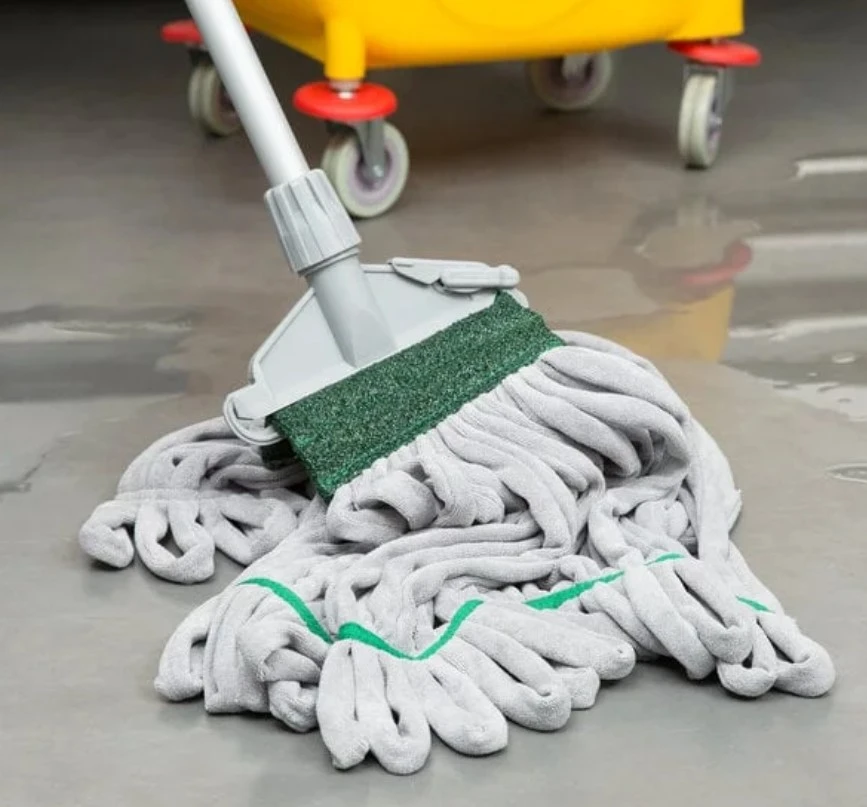
Price vs Cost: The Mistake Most Buyers Make
People compare price tags instead of ownership cost.
Typical Market Rates
- Cotton mop: lower purchase price
- Microfiber mop: higher purchase price
- Replacement frequency: cotton much higher
Real cost equation:
Cheap mop + frequent replacements + more cleaning time = expensive
Durable microfiber systems often save money within months.
Customer Feedback Reality
Across residential cleaning services in Texas:
Cotton mop reviews
- Good for spills
- Heavy to use
- Needs replacing often
Microfiber mop reviews
- Faster cleaning
- Better for hardwood floors
- Less fatigue
Professional cleaners often keep both, but use microfiber daily.
Choosing the Best Mop Based on Floor Type
Hardwood Floors
Use microfiber only. Too much water damages boards.
Tile Floors
Use microfiber or tube mop.
Garage / Patio
Use cotton wet mop.
Commercial Areas
Use color-coded cotton + microfiber system.
Step-by-Step Mop Selection Guide
- Identify floor type
- Decide dry vs wet cleaning
- Choose absorbency level
- Pick washable materials
- Use color coding for hygiene
- Calculate replacement frequency
- If you clean daily microfiber
- If you clean spills cotton
- If you want both tube mop system
When to Replace a Mop Head
Cotton mop lifespan
About 20–30 washes depending on use.
Microfiber mop lifespan
Up to 300 washes if maintained properly.
Signs you need replacement:
- Odor after washing
- Reduced absorption
- Fraying fibers
Cleaning Tips for Better Results
- Vacuum before mopping
- Use warm water, not hot
- Don’t over-soak hardwood
- Wash mop after every use
- Air dry to prevent bacteria
Simple habit: dirty mop = dirty floor.
Which Mop Do Professionals Use?
Most Texas cleaning services use:
- Microfiber for daily cleaning
- Cotton for heavy soil
- Tube mop for mixed surfaces
This combination balances hygiene, speed, and cost.
Where to Buy Reliable Mops in Sugar Land, TX
Homeowners and cleaning companies in Texas often prefer local suppliers because they offer commercial-grade durability instead of disposable retail products.
EcoFine Products
Sugar Land, Texas
Phone: +1 (832) 618-8777
Their microfiber and cotton systems target both residential and commercial cleaning needs.
Pros and Cons Summary
Microfiber Mop
Pros
- Hygienic
- Fast drying
- Durable
- Best for hardwood
Cons
- Higher upfront cost
Cotton Mop
Pros
- Affordable
- Excellent absorption
- Good for heavy mess
Cons
- Shorter lifespan
- Can spread bacteria if misused
People Also Ask:
Q1: Are cotton mops better than microfiber?
Cotton handles heavy water spills better, but microfiber removes more dirt and bacteria during normal cleaning.
Q2: What are blue mop heads used for?
Blue mop heads clean general floor areas to avoid contamination from bathrooms or kitchens.
Q3: Which mop is best for hardwood floors?
Microfiber mops are safest because they use less water and prevent swelling or streaks.
FAQs:
Q1. Can microfiber mops be washed?
Yes. Machine wash without fabric softener to keep absorbency high.
Q2. What is the lifespan of a cotton mop head?
Usually 20–30 washes before performance drops.
Q3. Do you need a bucket with a microfiber mop?
For tube microfiber mops yes. Flat microfiber mops often use spray systems.
Final Thoughts:
Choosing the best mop in Texas isn’t about trends or marketing claims. It’s about matching the tool to the job.
- Microfiber: daily cleaning and hygiene
- Cotton: heavy wet mess
- Tube mop: balanced solution
If you want faster cleaning, fewer streaks, and long-term savings, microfiber systems win. If you deal with mud and water, cotton still has a place.
Smart homeowners use both.
That’s the real professional method.