In the United States, the meaning of luxury has shifted. Once defined by size, brand names, or ornate decoration, luxury today is more nuanced. It’s personal. It’s intentional. It’s built on artistry rather than excess. That’s why the Best Luxury Interior Designers increasingly prioritize craft over convention.
Rather than following predictable design formulas or fleeting trends, they focus on materials, workmanship, and the human experience of space. In an era of mass production and algorithm-driven aesthetics, craftsmanship stands as a deliberate counterpoint—quietly powerful, deeply rooted, and unmistakably authentic.
The Shift From Convention to Craft
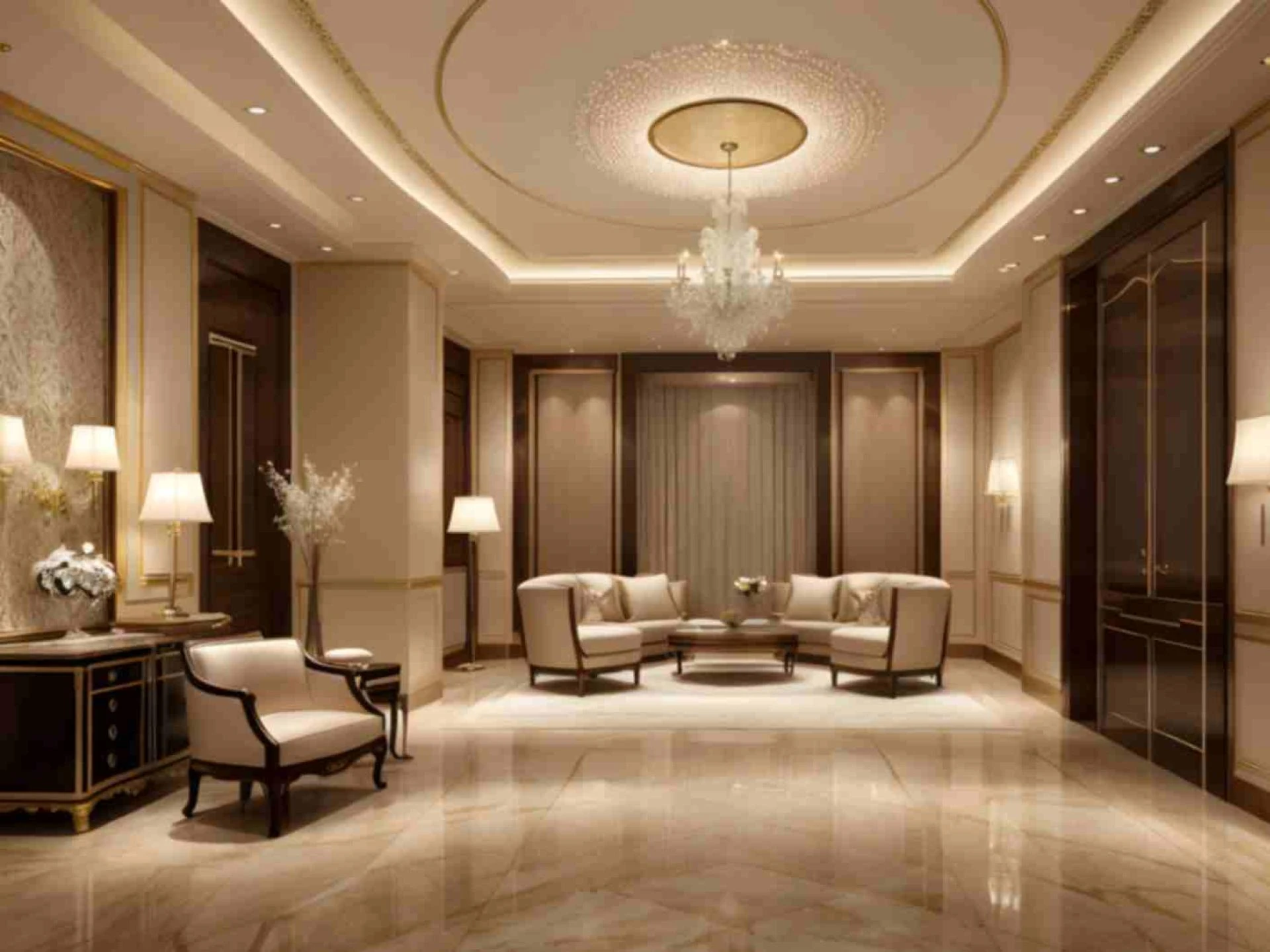
For decades, high-end interiors often followed recognizable patterns: grand chandeliers, marble foyers, symmetrical layouts, and imported statement pieces. While these elements can still have their place, the Best Luxury Interior Designers now approach luxury differently.
They ask deeper questions:
- Who lives here?
- What stories does this home tell?
- How should this space feel at different times of day?
- What materials will age beautifully over decades?
In cities like New York, Los Angeles, Miami, and Chicago, homeowners are increasingly seeking environments that reflect identity rather than imitation. Craft becomes the medium through which individuality is expressed.
Conventional design relies on what has worked before. Craft-based design creates what has never existed before.
Craft as Cultural Intelligence
Across the U.S., cultural diversity shapes interior design in profound ways. An International Interior Designer working in America often brings global sensibilities into dialogue with local context. Craft becomes the bridge between heritage and modern living.
Instead of replicating European palaces or minimalist Scandinavian apartments outright, designers reinterpret techniques:
- Hand-applied plaster finishes
- Custom millwork inspired by traditional joinery
- Artisan-made textiles
- Bespoke metal and stone fabrication
This is where Luxury Bespoke Interior Design distinguishes itself. It values the hands behind the work—the woodworker, the ceramicist, the upholsterer—as much as the final aesthetic outcome.
Craft is not about nostalgia. It’s about continuity. It connects past knowledge with contemporary life.
Material Integrity Over Visual Excess
One defining trait of the Best Luxury Interior Designers is their sensitivity to materials. Rather than overwhelming a space with visual statements, they allow textures to speak.
Natural oak that develops patina.
Limestone that subtly shifts with light.
Handwoven rugs that reveal irregularities only up close.
These choices align with the principles of Modern Luxury Interior Design, where restraint replaces ornamentation. Clean lines coexist with tactile richness. The luxury is felt more than flaunted.
This approach also responds to growing environmental awareness in the U.S. market. Craft often implies durability and sustainability. When a piece is built with intention, it’s less likely to be replaced.
The Role of Residential Expertise
Luxury homes demand a unique level of precision. Unlike hospitality or retail design, where spectacle may dominate, private residences require intimacy and functionality.
Experienced residential interior designers understand how families move through space. They study routines, privacy needs, acoustics, and even scent. Craft here becomes experiential.
Consider a kitchen designed not just for visual appeal but for how a countertop edge feels under your hands. Or a library where custom shelving is proportioned to both architecture and the owner’s book collection.
In high-end American neighborhoods—from Manhattan brownstones to Beverly Hills estates—this tailored approach defines modern expectations.
It’s not about impressing guests. It’s about supporting everyday rituals beautifully.
Women Redefining Craft in Luxury
In recent years, many top female interior designers in the United States have helped reframe the narrative of luxury. Rather than equating luxury with grandeur alone, they emphasize atmosphere, comfort, and storytelling.
Their work often highlights:
- Handcrafted furnishings
- Layered textiles
- Organic forms
- Emotional resonance over spectacle
This evolution signals a broader industry shift. Craft is no longer secondary to concept—it is the concept.
Why Craft Demands Collaboration
True craftsmanship rarely happens in isolation. The Best Luxury Interior Designers often collaborate closely with artisans, architects, and engineers.
A reputable Luxury Interior Design Firm might spend months refining a single staircase detail or developing a custom lighting fixture. These processes require patience and trust.
Unlike standardized Luxury Interior Design Services that rely heavily on catalog selections, craft-driven projects frequently involve prototyping, testing, and revising.
This collaborative depth results in interiors that cannot be duplicated elsewhere.
In a market saturated with Pinterest boards and AI-generated inspiration, originality becomes a rare luxury.
Moving Beyond Trend Cycles
Conventional design often mirrors fashion cycles. What’s popular this year may feel dated the next. Craft resists this volatility.
The Best Luxury Interior Designers know that timelessness is built through proportion, balance, and authenticity—not trend forecasting.
For example:
- Instead of following a color-of-the-year directive, they consider regional light conditions.
- Instead of copying viral furniture silhouettes, they design pieces tailored to architectural scale.
- Instead of maximizing square footage, they curate purposeful negative space.
This philosophy defines enduring luxury home interior design in the U.S. today. Luxury is no longer about accumulation. It’s about curation.
The Human Experience at the Center
Craft ultimately serves people. A handcrafted space feels different. It has warmth, depth, and subtle irregularities that invite touch.
Many Top Interior Designers argue that humans instinctively respond to imperfection. A slightly uneven ceramic glaze or visible wood grain reminds us that something was made, not manufactured.
This sensory engagement matters in residential settings, where daily life unfolds quietly. Craft softens architecture. It absorbs sound. It enriches light.
It turns a house into a lived narrative.
Redefining Value in American Luxury
Luxury in America is evolving from conspicuous consumption to conscious investment.
Clients are increasingly asking:
- Who made this piece?
- Where was it sourced?
- How long will it last?
This transparency aligns with the ethos of thoughtful Luxury Interior Design Services, where process holds as much value as presentation.
Craft answers these questions honestly. It places skill, time, and expertise at the forefront.
The Best Luxury Interior Designers understand that true prestige lies not in replication but in rarity.
Conclusion
Emphasizing craft over convention is not a rejection of tradition—it’s an evolution of it.
Across the United States, from coastal penthouses to countryside retreats, designers are choosing integrity over imitation. They are building interiors that age gracefully, resonate emotionally, and reflect individual stories.
The future of American luxury doesn’t shout.
It whispers through detail.
It lives in the grain of wood, the curve of a hand-forged railing, the quiet confidence of a room made with care.
That is why the Best Luxury Interior Designers continue to place craft at the center of their work—and why that commitment defines the next chapter of refined living.
FAQs
1. Why is craftsmanship important in luxury interior design?
Craftsmanship ensures originality, durability, and emotional depth. It creates spaces that feel personal rather than formulaic.
2. How does craft differ from conventional luxury design?
Conventional luxury often follows recognizable patterns or trends, while craft-based design focuses on custom materials, artisan work, and long-term value.
3. Is craft-based design more sustainable?
Often, yes. Handmade and thoughtfully sourced elements typically prioritize longevity and quality, reducing the need for frequent replacement.