Digital learning has become a strategic priority for modern organizations. Businesses across industries are turning to scalable training solutions that can improve workforce skills, streamline onboarding, and support continuous development. A learning management system Australia organizations rely on is designed to deliver structured, accessible, and measurable training programs. From corporate compliance training to professional development initiatives, LMS platforms are now central to building a future-ready workforce.
In Australia’s evolving corporate learning landscape, companies are seeking platforms that combine advanced technology with effective learning design. When integrated with custom elearning, a well-implemented LMS can transform training into a highly engaging and results-driven experience.
Why Are Australian Businesses Rapidly Adopting Learning Management Systems?
Organizations today face several workforce challenges, including remote work environments, compliance requirements, and the need for ongoing upskilling. An LMS helps businesses address these challenges by centralizing training resources and enabling employees to learn anytime, anywhere.
Many companies in Australia are moving away from traditional classroom-based training toward digital learning platforms. An LMS allows organizations to deliver structured courses, track learner progress, and analyze performance metrics in real time.
Key drivers behind LMS adoption include:
- Increasing demand for corporate online training platforms
- Need for scalable employee learning solutions
- Rising focus on compliance and regulatory training
- Hybrid and remote workforce environments
- Data-driven workforce development strategies
When supported by well-designed custom elearning, LMS platforms can significantly improve learner engagement and knowledge retention.
What Features Should You Look for in the Best LMS in Australia?
Selecting the right LMS requires evaluating features that align with business goals and training needs. While many platforms offer similar capabilities, high-performing systems provide flexibility, analytics, and seamless integration.
Important features to consider include:
1. Intuitive User Experience
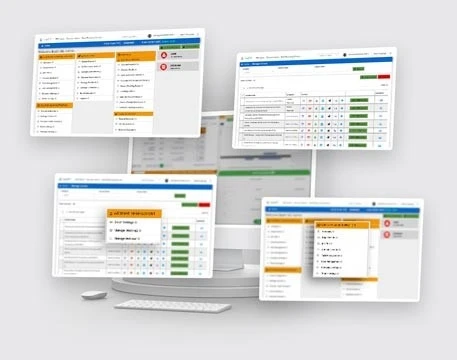
An LMS should be easy to navigate for both administrators and learners. A clear interface ensures employees can access courses quickly without technical barriers.
2. Advanced Reporting and Analytics
Organizations need insights into learner progress and training effectiveness. Robust reporting tools help training managers track completion rates, assessment scores, and skill development.
3. Mobile Learning Support
Mobile compatibility enables employees to access training on smartphones or tablets, making learning more accessible and convenient.
4. Integration with Existing Systems
A modern LMS should integrate smoothly with HR systems, CRM tools, and collaboration platforms to streamline operations.
5. Support for Interactive Content
Platforms that support videos, simulations, quizzes, and custom elearning development provide a more engaging learning experience.
These features help ensure that a learning management system Australia businesses choose can adapt to evolving training requirements.
How Does an LMS Improve Corporate Training Outcomes?
The real value of an LMS lies in its ability to improve learning outcomes while reducing training costs and administrative complexity.
Here are several ways organizations benefit:
Centralized Learning
All training materials are stored in one platform, making it easier to manage courses and maintain consistency across teams.
Scalable Training Programs
As companies grow, LMS platforms allow training to scale without the logistical challenges of traditional learning environments.
Personalized Learning Paths
Employees can follow customized training journeys based on their role, skill level, or career development goals.
Compliance and Certification Management
Many industries require regular training and certification. LMS platforms automate tracking and reminders, ensuring employees stay compliant.
Performance Tracking
Detailed analytics allow managers to evaluate learning impact and adjust training strategies accordingly.
For companies investing in custom elearning, an LMS provides the infrastructure needed to deliver and manage these courses effectively.
What Trends Are Shaping the Future of LMS in Australia?
Corporate learning continues to evolve as new technologies and workplace expectations emerge. Several trends are currently shaping LMS adoption across Australian organizations.
AI-Powered Learning Personalization
Artificial intelligence is increasingly used to recommend courses based on individual learning patterns, improving engagement and retention.
Microlearning for Busy Professionals
Short, focused training modules are becoming popular because they fit easily into employees’ work schedules.
Data-Driven Learning Strategies
Learning analytics are helping organizations identify skill gaps and create targeted training programs.
Gamification and Interactive Learning
Gamified elements such as badges, leaderboards, and interactive scenarios are making learning more engaging.
Integration with Talent Development Platforms
Modern LMS solutions are increasingly connected with talent management systems to support broader workforce development strategies.
These innovations are redefining how organizations approach employee training and digital learning environments.
How Does Custom eLearning Enhance LMS Effectiveness?
While an LMS provides the infrastructure for learning delivery, the quality of training content determines the real impact. This is where custom elearning solutions play a critical role.
Custom-designed courses allow organizations to tailor learning experiences according to their industry requirements, business processes, and workforce needs.
Benefits of combining LMS platforms with custom eLearning include:
- Industry-specific training modules
- Scenario-based learning for real-world application
- Interactive multimedia content
- Higher learner engagement and retention
- Alignment with organizational goals
Organizations partnering with experienced providers like Brilliant Teams often leverage tailored eLearning content to maximize the value of their learning platforms.
Choosing the Right LMS Strategy for Long-Term Success
Selecting the right LMS is not just about technology—it requires a clear learning strategy. Companies should evaluate training objectives, workforce needs, and scalability requirements before implementing a solution.
A successful LMS strategy typically includes:
- Clearly defined learning goals
- Integration with broader talent development initiatives
- High-quality digital learning content
- Ongoing evaluation and optimization
With the right approach, organizations can transform their training programs into powerful tools for workforce development.
Final Thoughts
As organizations continue to prioritize digital transformation, learning technologies are becoming essential for employee development and organizational growth. A well-designed learning management system Australia businesses adopt can help deliver structured, scalable, and measurable training programs.
When combined with engaging custom elearning and strategic implementation, LMS platforms enable companies to build a culture of continuous learning. For organizations seeking to improve workforce capabilities, adopting modern learning technologies is no longer optional—it is a competitive advantage in today’s knowledge-driven economy.