
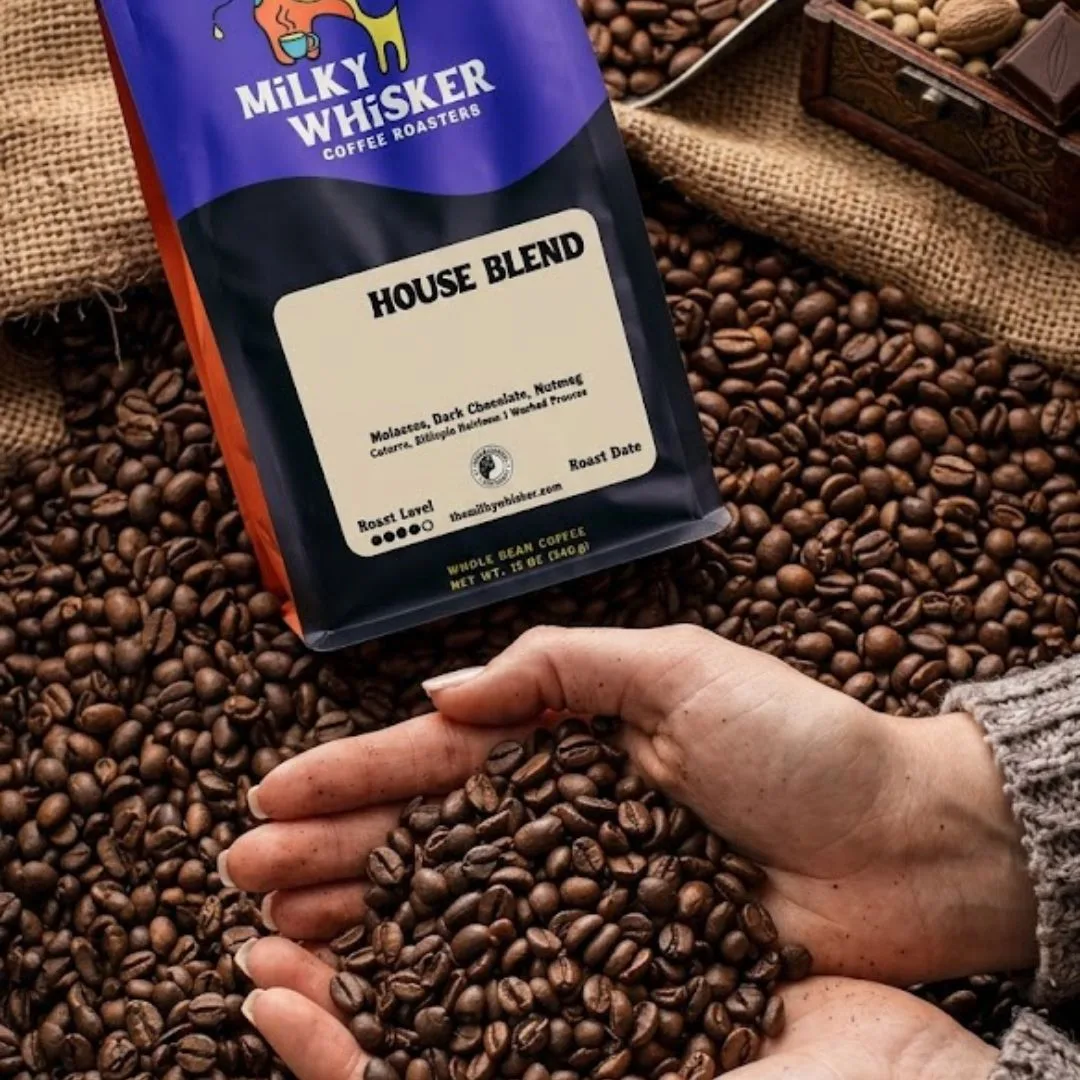
Coffee lovers have more choices than ever in 2026, yet house blend coffee remains one of the most popular options for everyday drinking. While single-origin coffees continue to attract enthusiasts, many people still prefer a carefully crafted blend that delivers consistency, balance, and great flavor in every cup.
The growing demand for specialty coffee has encouraged roasters to create signature blends that combine beans from different regions to achieve a smooth and enjoyable profile. Whether you're brewing a morning cup at home or preparing espresso for guests, a quality house blend can offer the perfect balance of sweetness, body, and aroma.
In this guide, we'll explore what makes a great house blend coffee, compare it with espresso blends, discuss beans from renowned coffee-growing regions, and share expert brewing secrets to help you get the most from every cup.
What Is House Blend Coffee?
A house blend coffee is a signature coffee blend created by a roaster using beans from multiple origins. The goal is to create a balanced flavor profile that appeals to a wide range of coffee drinkers.
Unlike single-origin coffees, which showcase the characteristics of one specific region, house blends combine different coffee beans to achieve greater consistency and complexity.
Key Characteristics of House Blend Coffee
- Balanced flavor and aroma
- Consistent taste throughout the year
- Suitable for multiple brewing methods
- Smooth body with moderate acidity
- Ideal for daily drinking
Coffee roasters carefully select and roast beans to highlight desirable qualities while minimizing extremes. This approach creates a dependable cup that coffee lovers can enjoy every day.
Why Coffee Lovers Choose House Blend Coffee
The popularity of house blend coffee isn't accidental. It offers several advantages that appeal to both beginners and experienced coffee enthusiasts.
Balanced Flavor Profile
Many specialty coffee drinkers appreciate a coffee that isn't overly acidic, bitter, or intense. House blends are designed to provide harmony between sweetness, acidity, body, and aroma.
Consistency From Cup to Cup
One of the biggest advantages of coffee blends is consistency. Roasters can adjust the blend composition throughout the year while maintaining the same flavor profile customers love.
Versatility
A quality house blend performs well across various brewing methods, including:
- Drip coffee makers
- Pour-over brewing
- French press
- Espresso machines
Perfect for Daily Drinking
While some coffees are reserved for special occasions, house blends are designed to be approachable and enjoyable every day.
Expert Picks: What Makes a Great House Blend?
Not all coffee blends are created equal. Experienced coffee professionals evaluate several factors when selecting premium house blends.
1. Bean Sourcing
Exceptional blends start with high-quality coffee beans. Reputable roasters often source beans from renowned coffee-growing regions known for unique flavor characteristics.
2. Roast Profile
The roasting process significantly impacts flavor. Many successful house blends use a medium roast coffee profile because it preserves natural sweetness while developing rich body and aroma.
3. Freshness
Fresh roasted coffee delivers superior flavor compared to older beans. Look for coffee with a clearly marked roast date rather than simply an expiration date.
4. Flavor Balance
The best blends combine sweetness, acidity, body, and finish in a way that feels harmonious rather than overwhelming.
Flavor Notes From Around the World
Great coffee blends often draw inspiration from some of the world's most respected coffee-growing regions.
Rwanda Coffee
Rwanda coffee has become increasingly popular among specialty coffee enthusiasts due to its vibrant and complex flavor profile.
Common tasting notes include:
- Red berries
- Citrus fruits
- Floral aromas
- Bright acidity
- Tea-like body
These characteristics can add brightness and sweetness to a premium house blend, creating a lively and refreshing cup.
Sumatra Kerinci Coffee
Sumatra Kerinci coffee offers a completely different experience. Grown in Indonesia's Kerinci region, these beans are known for their rich body and distinctive depth.
Typical flavor notes include:
- Earthy richness
- Dark chocolate
- Brown sugar sweetness
- Full body
- Smooth finish
When incorporated into coffee blends, Sumatra beans contribute body, complexity, and a satisfying mouthfeel.
Why These Origins Work Well Together
Many artisan coffee roasters create balanced blends by combining bright African coffees with fuller-bodied Indonesian coffees.
The fruit-forward character of Rwanda coffee can complement the earthy sweetness of Sumatra Kerinci coffee, resulting in a cup that is both vibrant and comforting.
House Blend Coffee vs Espresso Blend Coffee
Many coffee drinkers wonder whether they should choose a house blend or an espresso blend coffee.
House Blend Coffee
Best known for:
- Balanced flavor
- Versatility
- Moderate acidity
- Easy drinking experience
Ideal for:
- Drip coffee
- Pour-over brewing
- French press
- Everyday coffee consumption
Espresso Blend Coffee
Designed specifically for:
- Espresso extraction
- Milk-based beverages
- Rich crema production
- Concentrated flavor
Ideal for:
- Lattes
- Cappuccinos
- Flat whites
- Straight espresso shots
Which Should You Choose?
If you enjoy various brewing methods and want a versatile coffee, house blend coffee is often the better choice.
If your primary goal is making espresso-based drinks, an espresso blend coffee may provide better performance and flavor concentration.
Brewing Secrets for the Perfect Cup
Even the best coffee beans need proper brewing techniques to reach their full potential.
Drip Coffee Maker
Tips for better results:
- Use filtered water
- Measure coffee accurately
- Clean equipment regularly
- Brew with fresh roasted coffee
Recommended ratio:
- 1 to 2 tablespoons of coffee per 6 ounces of water
Pour-Over Brewing
Pour-over brewing highlights clarity and complexity.
Professional tips:
- Use a gooseneck kettle
- Bloom the coffee for 30 seconds
- Pour slowly and evenly
- Maintain consistent water temperature
French Press
French press brewing emphasizes body and richness.
For best results:
- Use coarse-ground coffee
- Steep for four minutes
- Stir gently before pressing
- Pour immediately after brewing
Espresso Machine
When preparing espresso:
- Use freshly ground beans
- Dial in grind size carefully
- Maintain proper extraction time
- Keep equipment clean
Small adjustments can dramatically improve flavor and consistency.
How to Choose the Best House Blend Coffee in 2026
The coffee market continues to evolve, making quality selection more important than ever.
Look for Freshly Roasted Beans
Freshness directly impacts flavor and aroma. Always prioritize recently roasted coffee.
Consider Roast Level
Many coffee lovers prefer medium roast coffee because it balances sweetness, body, and origin character.
Evaluate Bean Quality
Premium coffee beans often display:
- Uniform size
- Minimal defects
- Consistent roasting
- Clear origin information
Support Ethical Sourcing
Many specialty coffee roasters prioritize sustainable and ethical sourcing practices that benefit farmers and local communities.
Store Coffee Properly
To preserve freshness:
- Use airtight containers
- Store away from heat
- Avoid moisture exposure
- Keep beans out of direct sunlight
Featured Recommendation
If you're searching for a balanced and approachable coffee blend, The Milky Whisker's House Blend Coffee is an excellent option for everyday brewing.
Available here: https://themilkywhisker.com/collections/blends/products/house-blend
This premium house blend is crafted to deliver smooth flavor, satisfying body, and dependable consistency. Whether you're preparing pour-over coffee, drip coffee, or espresso-style beverages, a fresh roasted house blend coffee offers the versatility many coffee lovers seek.
Its balanced profile makes it suitable for both newcomers and experienced coffee enthusiasts looking for a reliable daily brew.
Frequently Asked Questions
What is house blend coffee?
House blend coffee is a signature blend created by combining coffee beans from multiple origins to achieve a balanced and consistent flavor profile.
How is house blend coffee different from espresso blend coffee?
House blends are designed for versatility across various brewing methods, while espresso blend coffee is specifically crafted for espresso extraction and milk-based drinks.
How long do coffee beans stay fresh?
Coffee beans generally taste best within a few weeks of roasting when stored properly in an airtight container.
What brewing method works best for house blend coffee?
House blends perform well with drip coffee makers, pour-over brewers, French presses, and espresso machines, making them highly versatile.
What's the best way to store coffee beans?
Store coffee beans in an airtight container away from heat, moisture, and direct sunlight to maintain freshness and flavor.
Conclusion
A great house blend coffee combines quality sourcing, expert coffee roasting, and carefully balanced flavors into one dependable cup. Whether inspired by the bright fruit notes of Rwanda coffee or the rich depth of Sumatra Kerinci coffee, premium coffee blends offer an enjoyable experience for both casual drinkers and serious enthusiasts.
As specialty coffee continues to grow in 2026, a thoughtfully crafted house blend remains one of the best choices for everyday brewing. If you're ready to elevate your daily coffee routine, consider exploring a fresh roasted premium house blend and discover why it continues to be a favorite among coffee lovers worldwide.