Hair loss is one of those experiences that many people brush off at first, only to find it becomes deeply personal and sometimes emotionally distressing as it progresses. From noticing a few extra hairs on your pillow to seeing a visibly widening part or thinning crown, the signs can be subtle at first and then startlingly obvious. If you’ve ever wondered what the best hair loss treatment truly is, the honest answer is that it depends on a few key factors: the cause of your hair loss, the stage it’s in, and the treatment approaches most suited to your situation.
This article goes beyond marketing claims and trendy promises to help you understand what drives hair loss, how different stages influence treatment outcomes, and which evidence-based options work for each scenario. If you’re ready to make informed decisions with confidence, exploring best hair loss treatment tailored to cause and stage is where your journey begins.
Understanding Hair Loss: Why It Happens
The Hair Growth Cycle: A Closer Look
Hair growth isn’t random. Every follicle on your scalp cycles through three phases:
- Anagen (Growth Phase): A period of active growth that can last years.
- Catagen (Transition Phase): A brief period where growth slows and follicles shrink.
- Telogen (Resting/Shedding Phase): The hair rests and eventually sheds, making room for new growth.
Healthy hair density depends on most hairs staying in the anagen phase. When more hairs enter telogen prematurely or anagen shortens, noticeable thinning occurs. This core process is driven by a mix of genetic, hormonal, nutritional, and environmental cues — which is why identifying the cause of hair loss is essential before choosing a treatment.
Common Patterns and Triggers
Hair loss doesn’t always look the same. Some people experience a receding hairline or thinning crown, while others notice diffuse thinning across the top of the scalp. The pattern often gives a clue about the underlying trigger:
- Genetic sensitivity (Androgenetic Alopecia): The most common cause, where hair follicles shrink over time due to sensitivity to hormones like dihydrotestosterone (DHT).
- Hormonal imbalances: Fluctuations caused by pregnancy, menopause, thyroid issues, or medications can accelerate shedding.
- Stress and illness: Physical or emotional stress can push hair into the shedding phase in a condition called telogen effluvium.
- Nutrient deficiencies: Iron, vitamin D, zinc, and certain B vitamin shortfalls can weaken follicles and increase shedding.
- Autoimmune conditions: Disorders like alopecia areata cause patchy hair loss when immune cells attack follicles.
Each of these causes affects the hair growth cycle differently, and the way you respond to treatment depends largely on identifying which of these forces are at play.
Early Signs: Why Stage Matters
Spotting Hair Loss Early
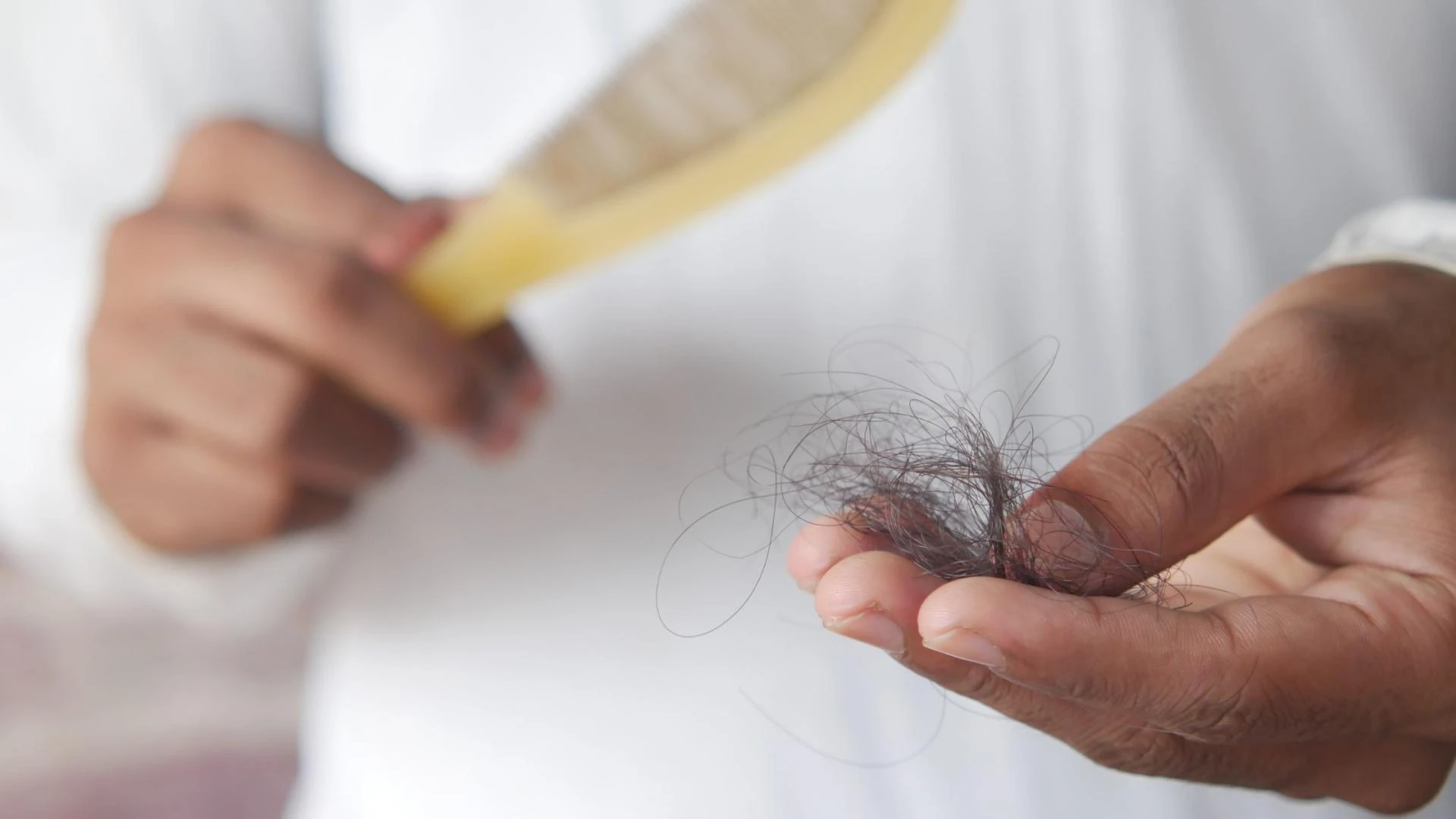
Recognizing hair loss in its early stages gives you more options and generally better outcomes. If you’re seeing more hair on your brush, noticing a thinning part, or catching hairs in the shower drain, those early signs often mean hair follicles are still active and responsive to treatment. Early intervention prioritizes preserving what you have, slowing progression, and supporting follicles before they miniaturize further.
What Happens in Advanced Stages
As hair loss progresses, miniaturization deepens. Follicles become smaller, produce thinner hair, and eventually stop growing altogether. At this point, maintaining density and slowing further loss often becomes the priority, and treatments aim to rescue struggling follicles and encourage regrowth where possible. Advanced stages may also benefit from surgical solutions to restore hair that medical treatments can’t fully recover.
Treatment Categories: Matching Approach to Cause
There’s no single “magic bullet” for hair loss. The most effective strategies combine evidence-based approaches that match the underlying cause and loss stage.
Topical Therapies
Minoxidil: Proven First-Line Support
Minoxidil is one of the most widely studied and frequently recommended topical treatments for hair loss. Applied directly to the scalp, it promotes blood flow to follicles, prolongs the anagen phase, and stimulates follicular activity. It’s available in foam and liquid forms and used once or twice daily.
Minoxidil tends to be most effective in early to moderate hair thinning, slowing shedding and increasing density over months of consistent use. Visible improvement typically appears after 3–6 months, and continued use is crucial — discontinuing usually leads to a return to the previous shedding pattern.
Oral Medications
Finasteride and Dutasteride: Hormonal Pathway Modulation
For hair loss driven by hormone sensitivity, particularly androgenetic alopecia, oral medications like finasteride reduce levels of dihydrotestosterone (DHT) in the scalp. DHT is a hormone that contributes to follicle miniaturization in genetically predisposed individuals.
Finasteride is commonly prescribed for men and, in select cases, women under medical supervision. Dutasteride attenuates even more pathways in the hormonal cascade and may provide stronger effects in some individuals. Both require ongoing use and medical oversight because they influence systemic hormone activity.
In-Office Procedures
Platelet-Rich Plasma (PRP) Therapy
PRP therapy harnesses your body’s own biology. A sample of your blood is processed to concentrate growth factors and injected into the scalp. These growth factors can stimulate follicles and improve the scalp environment, potentially enhancing hair density and quality.
PRP is often used in a series of sessions spaced weeks apart and can complement other treatments for early to moderate thinning.
Low-Level Laser Therapy (LLLT)
Laser therapy uses controlled light energy to stimulate circulation and cellular activity around hair follicles. Devices range from clinical units to at-home laser caps. When combined with topical or oral therapies, LLLT may support prolonged growth phases and thicker strands.
Surgical Solutions
Hair Transplantation
When follicles are no longer active or thinning is advanced, surgical options can create lasting results. Hair transplant procedures like Follicular Unit Extraction (FUE) or Follicular Unit Transplantation (FUT) relocate healthy follicles from donor areas to thinning or bald regions. Skilled surgeons design natural-looking hairlines and appropriate density.
Transplantation is a more permanent option than topical or oral treatments, but it requires careful planning, realistic expectations, and proper aftercare to maximize outcomes.
Additional Strategies That Support Treatment
Nutrition and Hair Health
Your scalp and follicles thrive when your body has the right nutrients. Protein, iron, vitamin D, zinc, and omega-3 fatty acids all play roles in healthy hair growth. Deficiencies in iron or vitamin D in particular can exacerbate shedding.
Before starting supplements, it’s wise to test levels and address imbalances under medical guidance. A balanced, nutrient-rich diet supports overall health and strengthens follicles from the inside out.
Stress Management
Stress doesn’t always cause hair loss, but it can worsen it. High stress triggers hormonal pathways that push more hairs into the shedding phase (telogen effluvium). Practices like regular exercise, adequate sleep, mindfulness, and structured stress-reduction routines help regulate your body’s stress response and create a more favorable environment for hair growth.
Gentle Hair Care
Abrupt styling changes, tight hairstyles, heat tools, and harsh chemical treatments all place stress on hair shafts. While they don’t address follicle health directly, minimizing breakage and protecting existing hair reduces the appearance of thinning and supports your treatment efforts.
How to Choose Treatment Based on Cause and Stage
Genetic Pattern Loss: Prioritize Hormonal and Follicular Support
For androgenetic alopecia, combining strategies often yields the best outcomes. Topical minoxidil and hormonal medications like finasteride or dutasteride target two major pathways — blood flow and hormone sensitivity. Adding laser therapy or PRP can further enhance results when done consistently.
Hormonal Imbalance: Target Root Influences
If hair loss correlates with pregnancy, menopause, thyroid issues, or PCOS, addressing the hormonal imbalance can yield meaningful improvement. In women, certain hormonal therapies under medical supervision help regulate androgen activity and reduce sebum production that feeds follicle shrinking.
Telogen Effluvium: Support Resolution and Recovery
When stress or illness triggers widespread shedding, the root cause is often temporary. Hair typically regains normal growth once the stressor resolves, but supportive care — including scalp stimulation, nutrition, and stress management — can accelerate recovery and reduce the duration of shedding.
Nutritional Loss: Correct Imbalances
Hair loss linked to nutrient deficiencies responds well when the missing elements are restored. Iron, vitamin D, and some B vitamins are common culprits. Professional testing and tailored supplementation make this approach more effective than guessing at remedies.
Autoimmune-Related Loss: Specialized Support
Conditions like alopecia areata require targeted immunomodulatory care, often under specialist supervision. Treatments may include corticosteroid injections, topical calcineurin inhibitors, or systemic therapies designed to calm immune responses that attack follicles.
What Results Actually Look Like
Realistic Timelines
Hair regrowth takes time. Even the most effective plans usually need at least three to six months before visible changes appear. Full results often become clearer after nine to twelve months of consistent treatment. Patience isn’t just valuable — it’s essential.
What You Can Expect
- Early stages: Slower shedding and subtle texture improvements
- Mid stages (3–6 months): Noticeable thickening and reduced fall-out
- Longer term (9–12+ months): Visible density improvement and new growth
Not every case results in dramatic transformation, especially in advanced thinning. But meaningful improvement — reduced shedding, stronger hair, fuller appearance — is realistic when treatment matches cause and stage.
When to Seek Professional Evaluation
If you notice persistent thinning despite initial changes, patchy bald spots, or sudden worsening, seeking a dermatologist or specialist’s assessment helps clarify causes and refine your plan. Professionals can order tests, rule out underlying conditions, and adjust treatment combinations for better results.
Early evaluation also prevents wasted time on ineffective strategies and reduces frustration.
Avoiding Common Pitfalls
Chasing Quick Fixes
Products that promise instant regrowth or “overnight results” rarely deliver. Hair growth is a biological process with inherent timelines. Trendy treatments without clinical backing often waste time and money.
Over-Treating
Using too many products at once or rotating treatments frequently can irritate your scalp and disrupt progress. Consistency with a focused plan usually outperforms constant experimentation.
Ignoring Overall Health
Hair loss doesn’t occur in a vacuum. Ignoring sleep, stress, diet, or underlying health conditions undermines even the best topical or medical interventions.
Conclusion: The Best Treatment Is the Right One for You
There’s no universal answer to “What’s the best hair loss treatment?” The truth is far more nuanced: the best option depends on your hair loss cause, the stage it’s in, and the combination of treatments that align with your biology. Whether you’re dealing with genetic thinning, hormonal imbalances, stress-related shedding, or nutrient-linked loss, evidence-based approaches tailored to your situation offer the greatest chance of meaningful improvement.
Effective care requires thoughtful evaluation, realistic expectations, and consistency. By understanding why your hair is thinning and choosing treatments matched to those causes, you give your hair — and yourself — the best possible path forward.
If you’re ready to explore targeted strategies tailored to your pattern of hair loss, start with a plan grounded in evidence and guided by expertise. With the right approach and patience, healthier, stronger hair is achievable.