Polycystic Ovary Syndrome (PCOS) is a common hormonal condition that affects women's menstrual cycles, ovulation, skin health, metabolism and reproductive health. Its symptoms can vary considerably. While some women experience irregular periods, acne or unwanted facial hair, others may discover the condition when they seek medical advice for difficulty conceiving.
Understanding PCOS and seeking timely medical guidance can help women manage its symptoms and reduce the risk of associated health complications. If you are searching for the best gynecologist in Indore for PCOS, it is important to choose a qualified specialist who understands hormonal disorders and women's reproductive health.
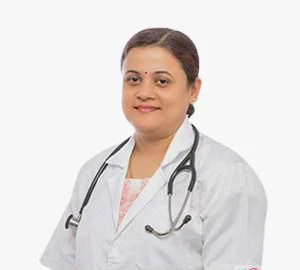
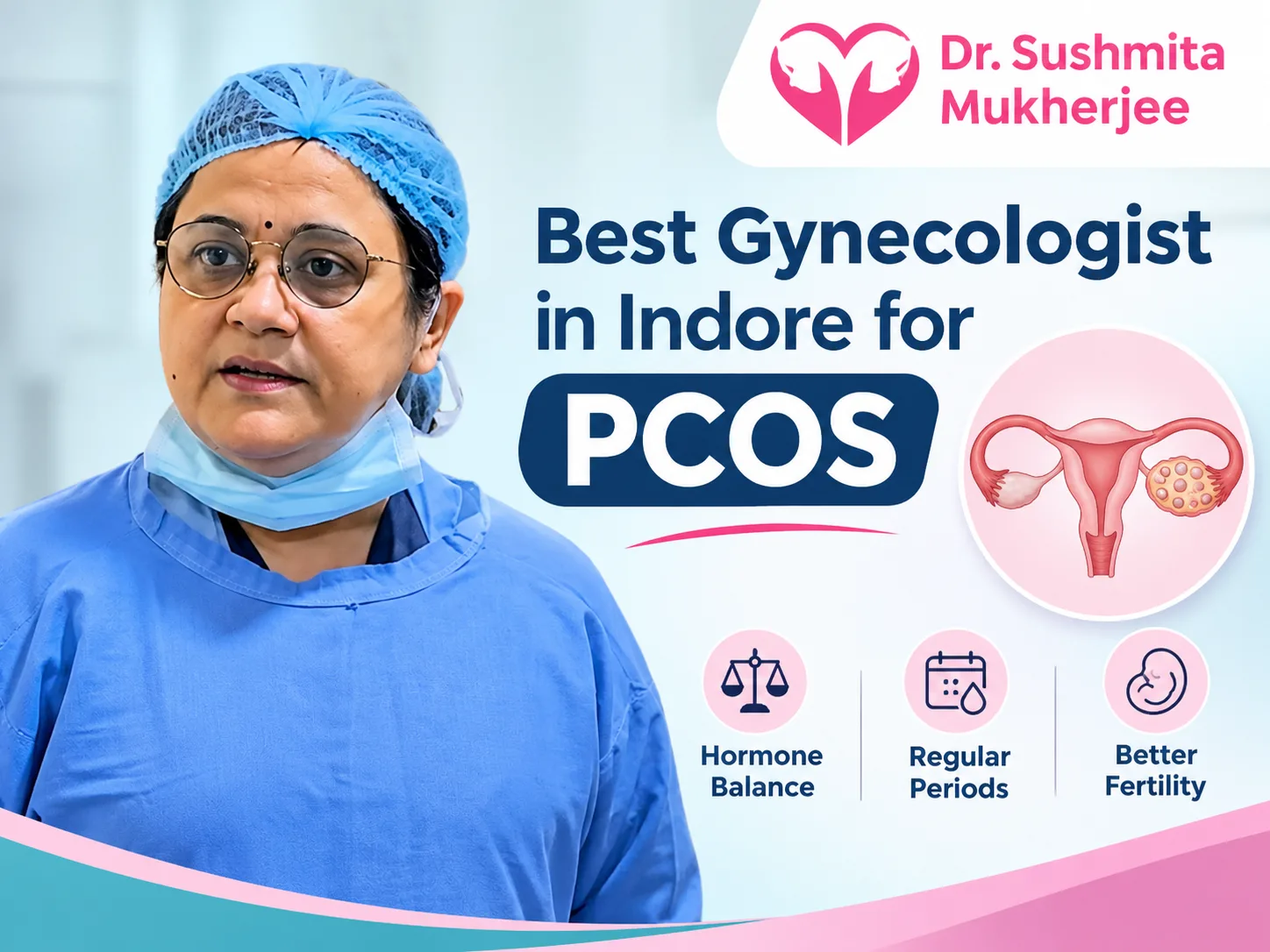
Dr. Sushmita Mukherjee is a gynecologist and obstetrician in Indore with more than 30 years of experience in women's healthcare. Her clinical practice includes PCOS, menstrual disorders, infertility, IVF and other gynecological conditions.
What Is PCOS?
Polycystic Ovary Syndrome is a hormonal and metabolic condition that commonly affects women during their reproductive years. It is often associated with irregular ovulation and increased androgen levels.
PCOS can affect women differently. Some experience mild symptoms, while others may face menstrual irregularities, metabolic concerns or fertility difficulties.
Common signs and symptoms include:
- Irregular or missed menstrual periods
- Acne and oily skin
- Excess facial or body hair
- Hair thinning on the scalp
- Weight gain or difficulty managing weight
- Difficulty conceiving
- Darkened skin patches around the neck or underarms
Not every woman experiencing these symptoms has PCOS. A proper medical evaluation is necessary to identify the underlying cause.
Why Is Medical Consultation Important for PCOS?
PCOS is not just a menstrual health concern. It can also affect metabolism, hormonal balance and reproductive health.
Consulting an experienced gynecologist can help women understand their symptoms and receive an appropriate treatment plan.
Medical consultation may help with:
- Evaluating irregular menstrual cycles
- Identifying hormonal imbalances
- Assessing ovulation-related problems
- Monitoring blood sugar and metabolic health
- Addressing fertility concerns
- Planning long-term treatment and follow-up
Women with PCOS may also have an increased risk of insulin resistance, abnormal cholesterol levels and type 2 diabetes. Regular medical monitoring can help identify these concerns.
Dr. Sushmita Mukherjee – Gynecologist for PCOS in Indore
Dr. Sushmita Mukherjee is a senior gynecologist and obstetrician practising in Indore. Her qualifications include MBBS, DGO, MD and DNB, and she has more than three decades of experience in women's healthcare.
Her clinical interests include PCOS, menstrual disorders, infertility, IVF, laparoscopy and hysteroscopy.
Women seeking consultation for hormonal and reproductive health concerns can learn more about her qualifications and professional background.
How Is PCOS Diagnosed?
PCOS cannot be diagnosed through symptoms or an ultrasound report alone. Several other medical conditions can cause similar symptoms, so a comprehensive evaluation is important.
Depending on the patient's medical history and symptoms, the gynecologist may recommend the following:
1. Medical History and Symptom Assessment
The doctor may ask about menstrual cycles, weight changes, acne, excess hair growth, scalp hair thinning and pregnancy plans.
2. Hormonal Blood Tests
Blood tests may be recommended to assess androgen levels and rule out other hormonal conditions, including thyroid disorders and elevated prolactin.
3. Ultrasound Examination
A pelvic ultrasound may be advised to examine the ovaries and reproductive organs when clinically appropriate. However, polycystic-appearing ovaries on an ultrasound do not automatically confirm PCOS.
4. Metabolic Health Assessment
Depending on individual risk factors, blood sugar, cholesterol and other metabolic investigations may be recommended.
The final diagnosis is based on accepted clinical criteria and the exclusion of other possible causes.
What Are the Treatment Options for PCOS?
There is no single treatment suitable for every woman with PCOS. Treatment depends on symptoms, age, medical history, metabolic health and pregnancy goals.
1. Lifestyle Management
Healthy lifestyle habits can support hormonal and metabolic health.
Some helpful measures include:
- Following a balanced diet with adequate protein and fibre.
- Including regular physical activity.
- Maintaining a consistent sleep routine.
- Managing stress.
- Working towards a sustainable, healthy weight where appropriate.
Lifestyle management can provide benefits even when significant weight loss is not required.
2. Medication for Menstrual Irregularities
A gynecologist may prescribe hormonal medication or other treatments to regulate menstrual cycles and manage associated symptoms.
The choice of medication depends on the patient's medical history, health requirements and pregnancy plans.
3. Managing Acne and Excess Hair Growth
PCOS can contribute to acne, unwanted facial hair and scalp hair thinning. Depending on the symptoms, treatment may include hormonal medication and other dermatological therapies.
4. Fertility Treatment for Women with PCOS
Some women with PCOS experience difficulty conceiving because of irregular or absent ovulation. However, many women with PCOS can become pregnant with appropriate medical guidance.
Treatment may include ovulation-inducing medication and, when clinically necessary, assisted reproductive techniques such as IUI or IVF.
Dr. Sushmita Mukherjee also provides fertility-related consultation. Women interested in learning more can explore IVF and infertility treatment in Indore.
Can Women with PCOS Get Pregnant?
Yes. Having PCOS does not mean that pregnancy is impossible.
The condition can interfere with regular ovulation, which may make conception more challenging for some women. However, appropriate diagnosis and treatment can improve the chances of achieving pregnancy.
A fertility evaluation helps identify whether ovulation is occurring regularly and whether other factors may be affecting conception.
Treatment is planned according to the woman's age, reproductive health, investigation results and pregnancy goals.
When Should You Consult a Gynecologist for PCOS?
Women should consider scheduling a consultation if they experience:
- Repeatedly irregular or missed periods.
- Persistent acne or excess facial hair.
- Unexplained weight changes.
- Difficulty conceiving.
- Symptoms suggesting insulin resistance.
- Long gaps between menstrual periods.
Very heavy bleeding, severe pelvic pain or sudden severe symptoms may require urgent medical attention.
Regular follow-up is also important because PCOS management may need adjustments over time.
Where to Consult Dr. Sushmita Mukherjee in Indore?
Women looking for a gynecologist for PCOS evaluation and reproductive health consultation can contact Dr. Sushmita Mukherjee at her Indore clinics.
Old Palasia Clinic
310, The Mark Building, Above Domino's, Old Palasia, Indore, Madhya Pradesh – 452001.
LIG Clinic
9 A/1, L.I.G. Corner, Agra Bombay Road, Indore, Madhya Pradesh – 452001.
Contact Number: +91 9826013944
Patients are advised to contact the clinic to confirm consultation timings and appointment availability.
Frequently Asked Questions About PCOS
1. Who should I consult for PCOS in Indore?
A qualified gynecologist experienced in hormonal disorders and reproductive health can evaluate PCOS symptoms, recommend investigations and suggest suitable treatment options.
2. Can PCOS be completely cured?
PCOS is generally a long-term condition. However, its symptoms can often be managed effectively through lifestyle changes, medical treatment and regular follow-up.
3. Can PCOS cause infertility?
PCOS can affect regular ovulation, making conception difficult for some women. However, many women with PCOS conceive naturally or with appropriate fertility treatment.
4. Does every woman with PCOS need medication?
No. Treatment depends on symptoms, medical history and reproductive goals. Some women may benefit from lifestyle management, while others may require medication or fertility treatment.
5. Where can I consult Dr. Sushmita Mukherjee for PCOS in Indore?
Dr. Sushmita Mukherjee consults at The Mark Building in Old Palasia and LIG Corner on Agra Bombay Road, Indore. Patients can contact +91 9826013944 for appointment details.
Conclusion
PCOS can affect menstrual health, hormonal balance, metabolism and fertility. However, timely diagnosis and appropriate medical guidance can help women manage the condition and maintain better reproductive health.
Dr. Sushmita Mukherjee provides gynecological consultation in Indore for PCOS, menstrual irregularities, infertility and other women's health concerns.
Women searching for the best gynecologist in Indore for PCOS should consider a specialist's qualifications, clinical experience and approach to individualised treatment. Seeking professional advice can be an important step towards understanding and managing PCOS effectively.